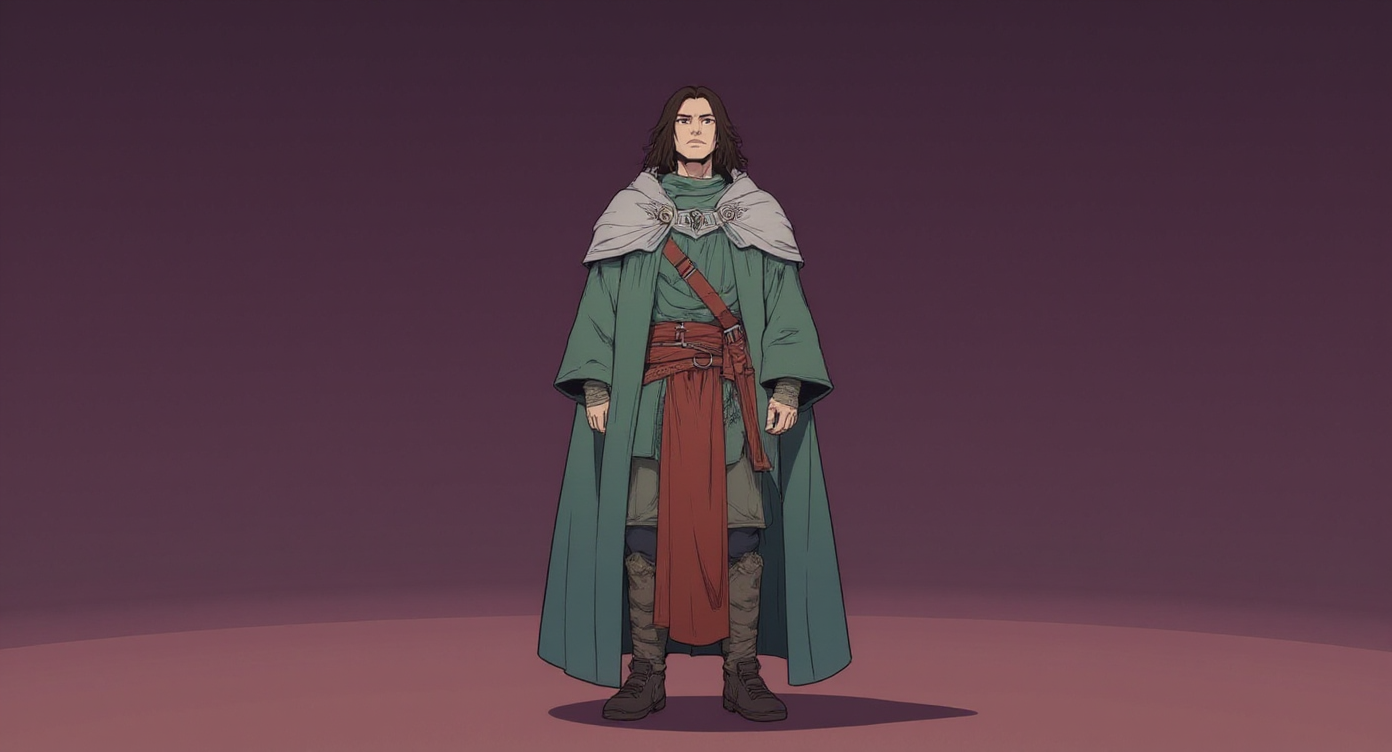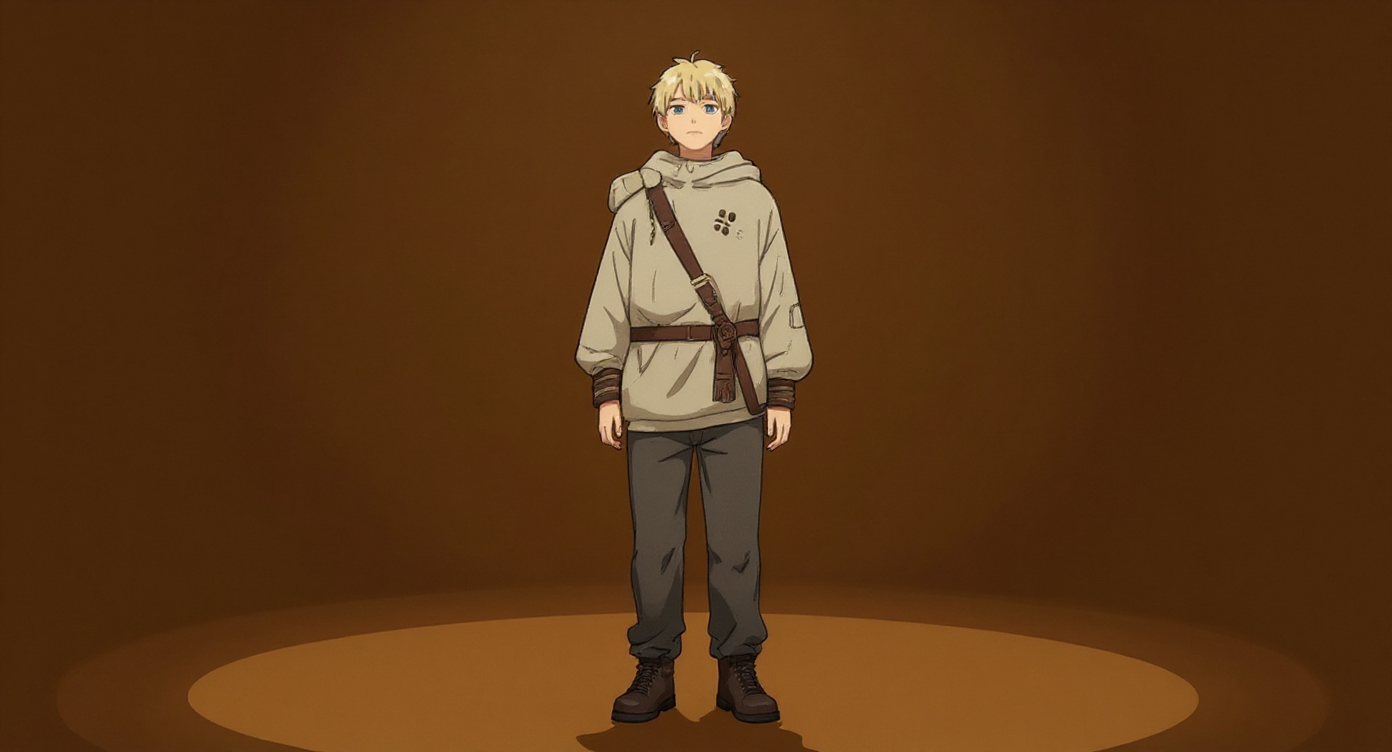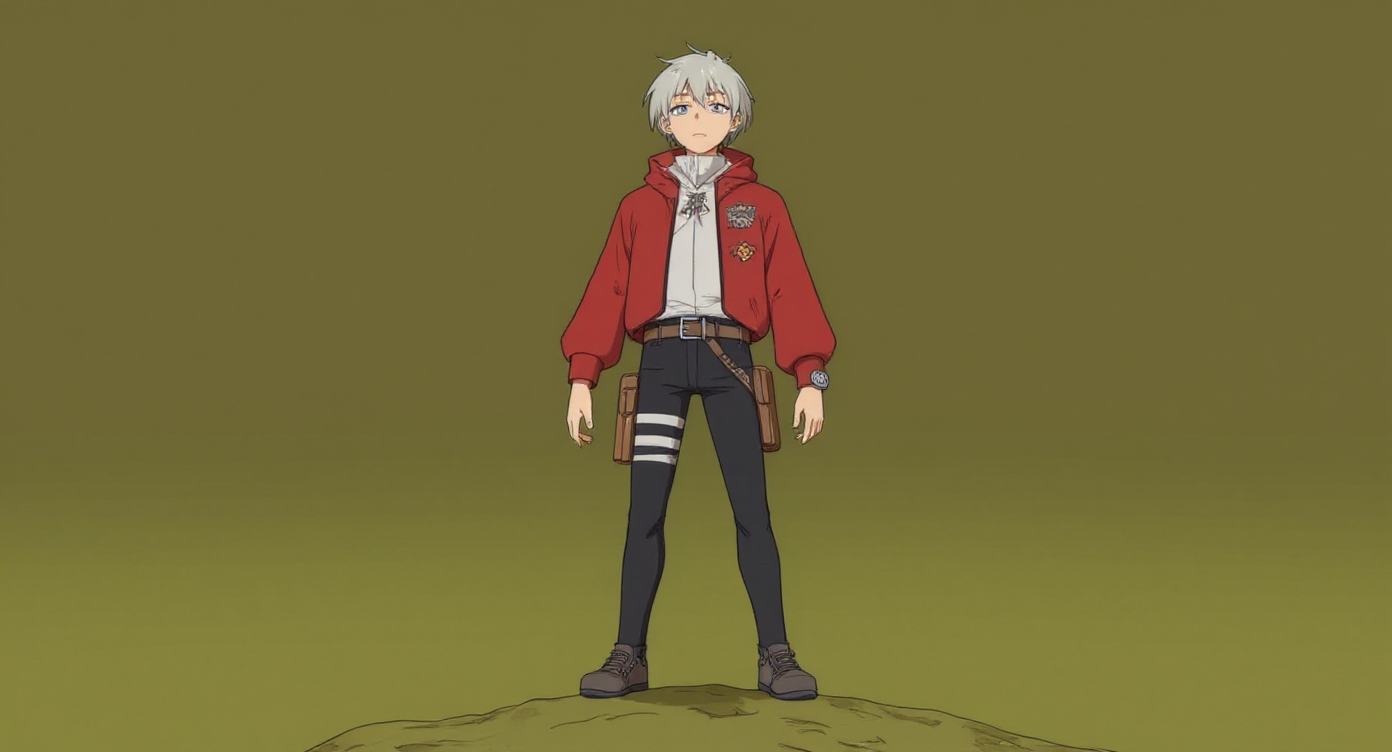
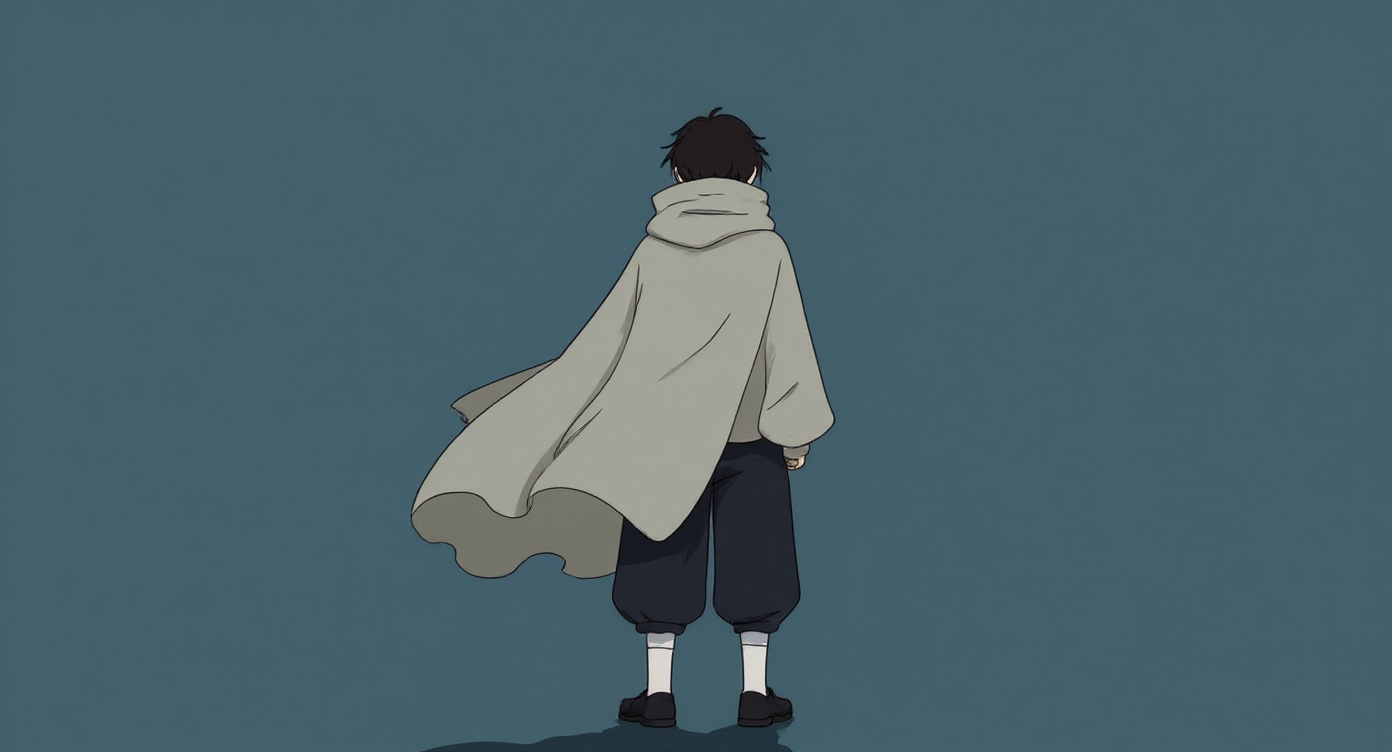
Tanjiro Kamado’s choices during the Natagumo Mountain Arc of Demon Slayer reveal the Stoic power of compassion as taught by Musonius Rufus. True compassion is not emotional weakness or possessive attachment. It is the disciplined strength to feel another’s suffering while refusing to surrender reason, self, or duty. In the face of terror, Tanjiro shows that caring deeply and acting rightly are not opposites.
The Trap on Natagumo Mountain
The forest is thick with silk threads that glint under moonlight. Every tree and path belongs to Lower Rank Five Rui, a demon who has built a fake family held together by fear and violence. Tanjiro arrives exhausted, his Nichirin blade already chipped from earlier fights. His sister Nezuko, turned demon yet refusing to harm humans, fights beside him.
Rui captures Nezuko in his threads and suspends her high above the ground, blood dripping from her wounds. He wants her as his new sister, bound by terror and obedience. Tanjiro’s only goal is to free her and end Rui’s reign of fear. If he fails, the Cutting Thread Cage will slice him apart while Nezuko bleeds out or is taken forever. Everything he loves stands on the edge of destruction.
Rui’s Twisted Attachment
Rui speaks the language of family but practices ownership. He forces captured demons into roles—father, mother, sister—and punishes them brutally when they fail to perform. Bodies hang from the trees like grotesque decorations. His “love” demands total control. Anyone who tries to leave is cut down.
This stands in direct contrast to Tanjiro. Where Rui confuses intensity with care and possession with protection, Tanjiro refuses to turn Nezuko into an object that validates his devotion. He sees her clearly as both his beloved sister and a demon who carries real danger. His compassion begins with honest sight, not comforting illusion.
Musonius Rufus taught that real moral strength lies in choosing what is good even when pain tempts us toward cruelty. Compassion, for him, meant recognizing another’s humanity without letting emotion overthrow our own judgment. Tanjiro lives this principle under extreme pressure.
The Moment of Decision
Rui’s threads shatter Tanjiro’s sword. The Cutting Thread Cage closes in. Nezuko hangs bleeding beneath the moon, helpless. Fear and fury surge through Tanjiro, yet he does not let them rule him.
He remembers his father Tanjuro’s calm voice: “Breathe. Get your breathing under control and become Hinokami.” That memory anchors him. Instead of panic, he finds focus. His grief sharpens into concentration. His love becomes endurance. His fear turns into clear information rather than command.
The Hinokami Kagura ignites. Flame-like strokes slice through Rui’s blood threads. Nezuko unleashes her Exploding Blood, burning a path through the cage. Their bond does not imprison either of them. It creates space for both to act with purpose. Tanjiro closes the distance and severs Rui’s head in one decisive strike.
Understanding Without Surrender
After the blow lands, Giyu Tomioka delivers the final strike that ends Rui. Tanjiro does not celebrate. He kneels beside the dying demon and places a hand on him. He sees the wound that created Rui: the loneliness and emptiness that twisted into hunger for control. He feels compassion for that suffering without approving the mountain of corpses left behind.
This is the core of disciplined compassion. Tanjiro understands Rui’s pain yet refuses to hand it authority over Nezuko or himself. He protects what is vulnerable and confronts what threatens it. There is no confusion between mercy and permission.
Rui failed not because he cared too much, but because he mistook possession for love, obedience for loyalty, and control for closeness. Tanjiro’s bond with Nezuko survives because it allows freedom. One relationship consumes choice. The other gives choice a reason to endure.
Practical Strength in Daily Life
The lesson is direct. Compassion without discipline collapses into panic or control. When someone you love is hurting or when cruelty stands in front of you, the test is the same one Tanjiro faced beneath those threads.
Ask three questions: What is actually happening? What does this person truly need? And what must I refuse to permit? These questions keep feeling connected to judgment. They prevent sympathy from becoming possession and understanding from excusing harm.
You do not need to become colder to become stronger. You need to become clearer. Feel deeply, judge carefully, and protect without possessing. That balance is one of the highest expressions of strength available to any person, Stoic or otherwise.
Adapted from the Anime Stoic episode Why Tanjiro’s Kindness Isn’t Weakness | Compassion.