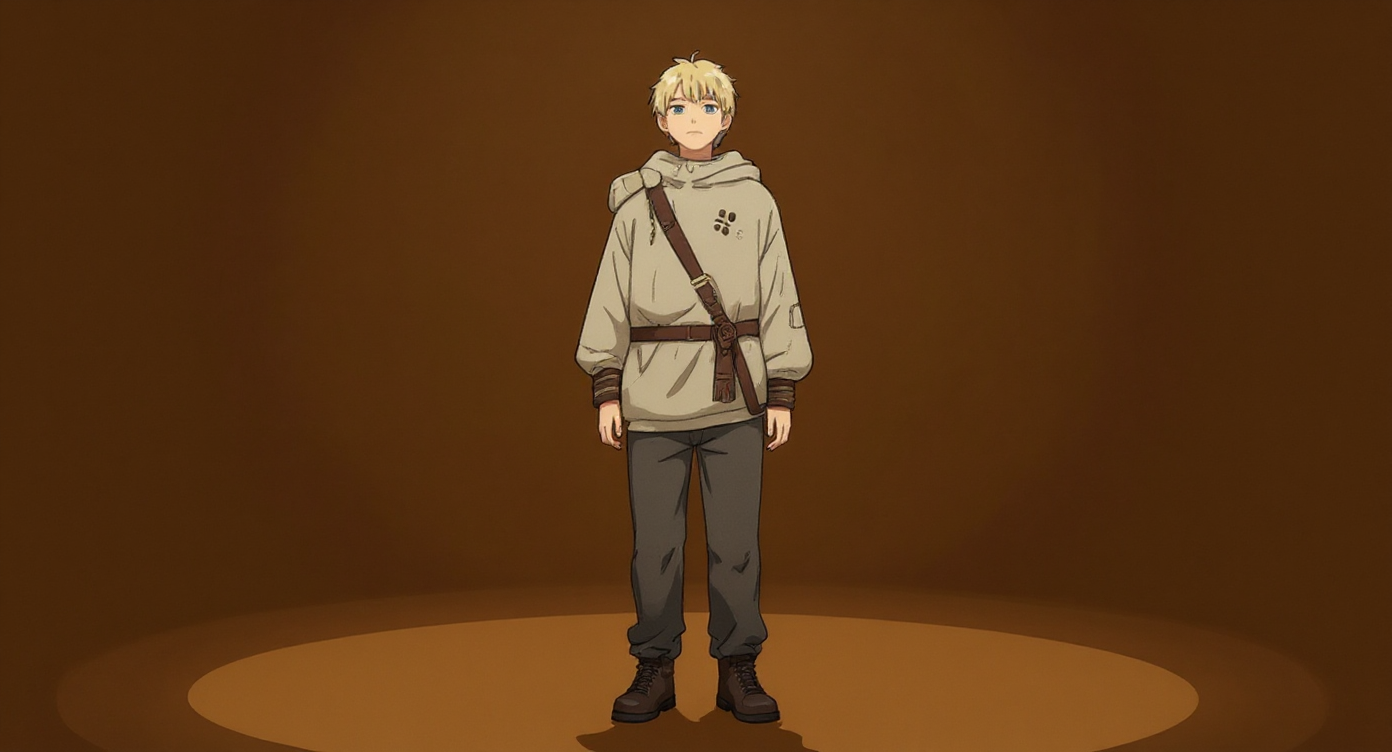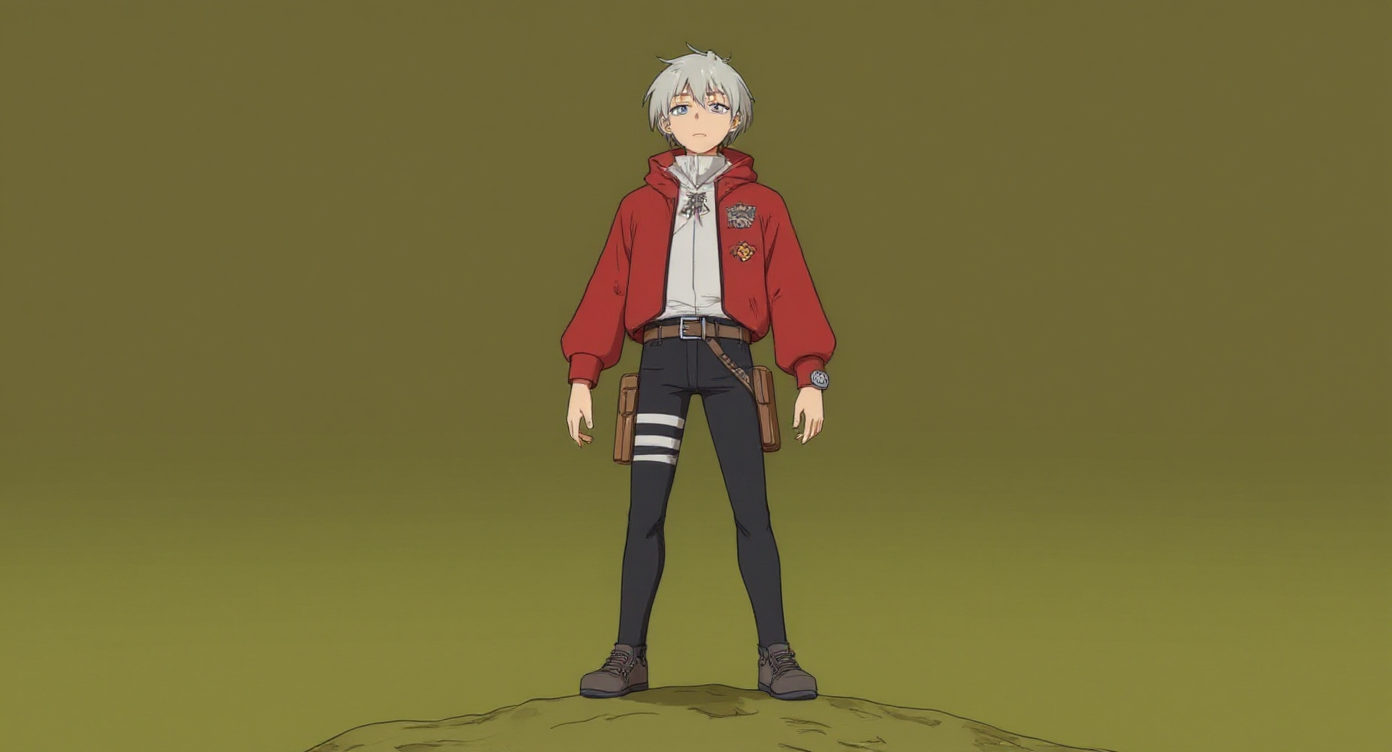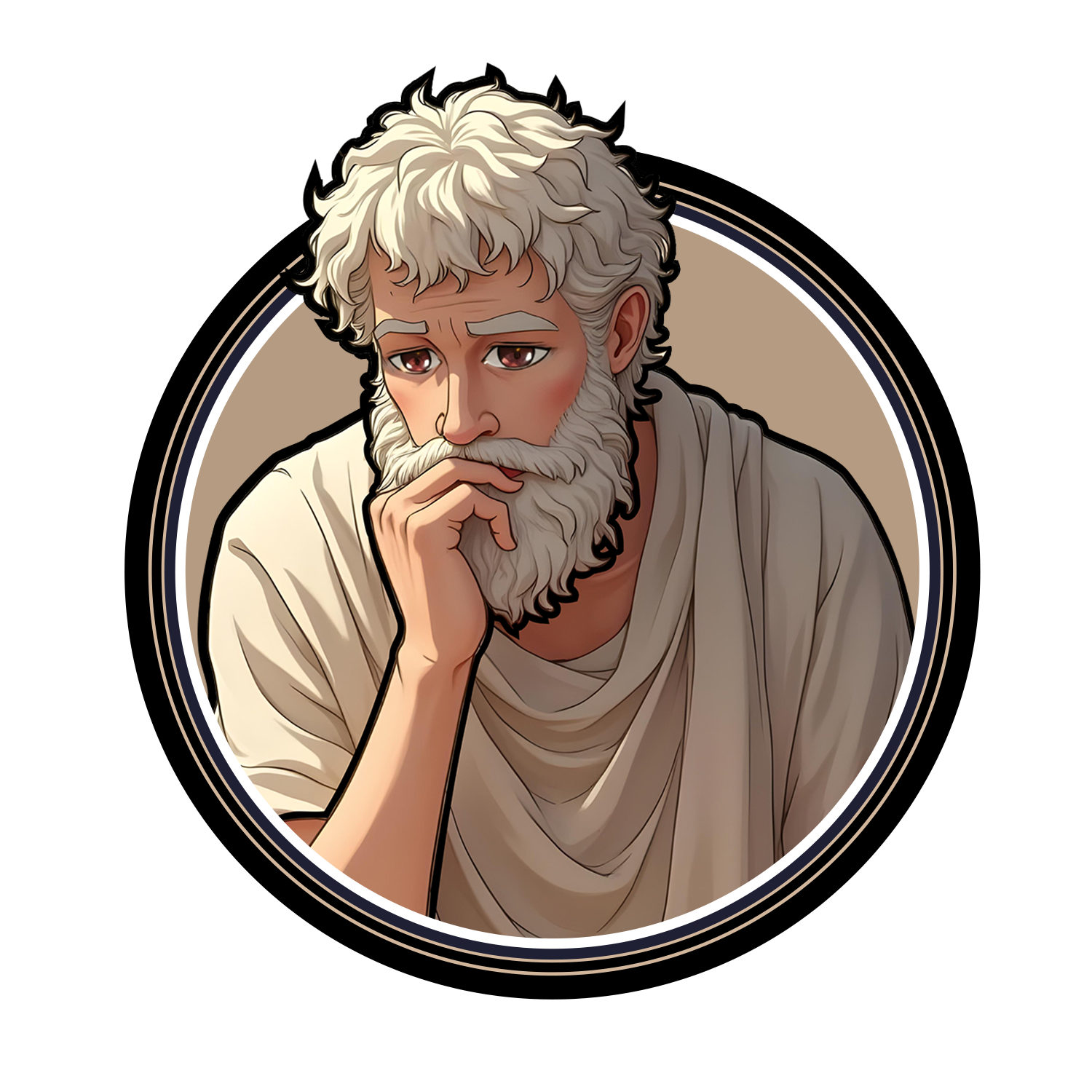
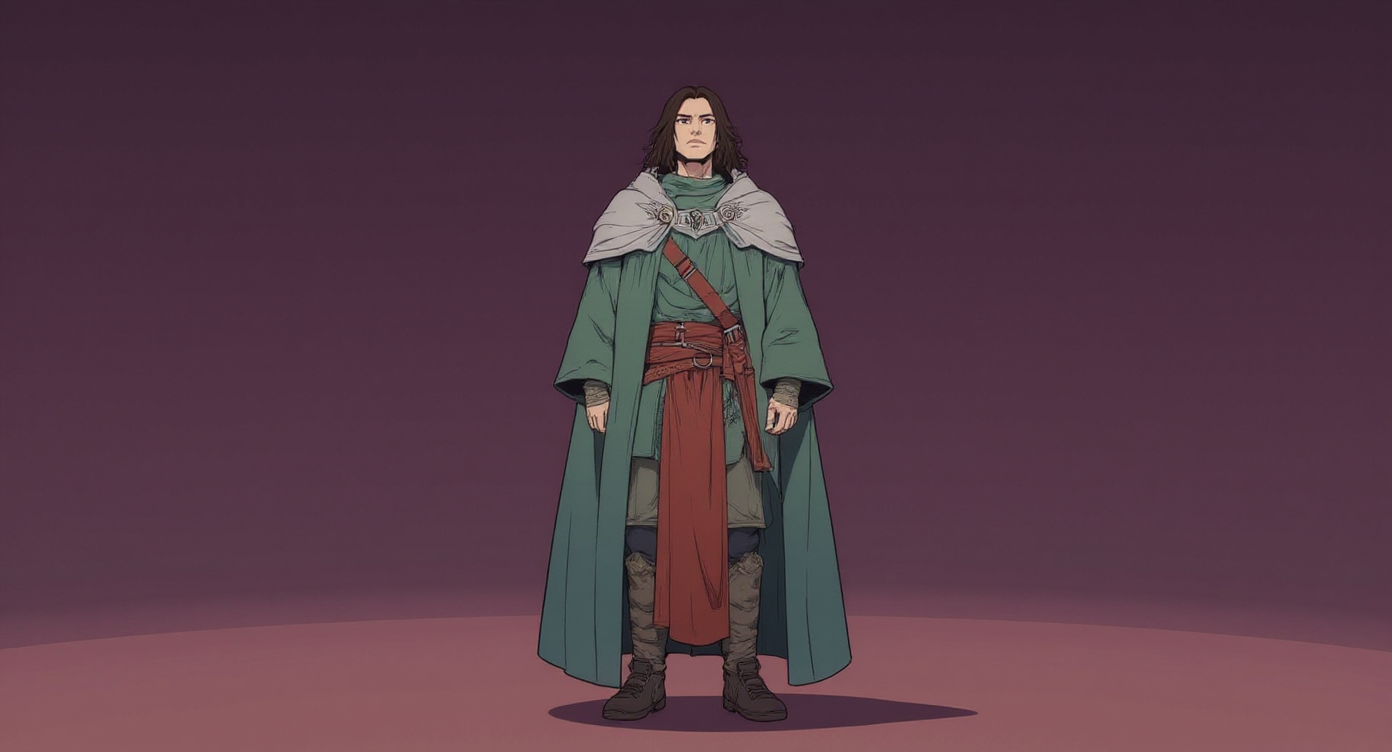
In the finale of Vinland Saga’s War Arc, Askeladd demonstrates the Stoic principle of acceptance of fate taught by Marcus Aurelius. Faced with an impossible ultimatum from King Sweyn, he stops fighting what has already happened and acts with ruthless precision inside the narrow space reality still allows him. This is not surrender. It is the beginning of strength.
The Trap
The hall is thick with armed Danish lords. King Sweyn has just rewarded Askeladd for protecting Prince Canute during the chaos of the Danish invasion of England. Then, with a smile, Sweyn announces his next campaign: the total subjugation of Wales. Askeladd’s mother’s homeland will be crushed under the Danish boot.
Askeladd objects. Sweyn, embracing him like a favored son, offers a simple choice: Wales will be spared if Askeladd cuts off Canute’s head right now. Refuse, and the army marches on Wales immediately. Floki, Askeladd’s longtime rival, watches with barely contained rage, ready to punish any slight against the king. Canute stands silent, knowing his crown depends on what happens in the next few seconds.
There is no good answer. Pick one, lose the other. This is the exact moment where most men begin bargaining with reality.
What Marcus Aurelius Actually Taught
Marcus Aurelius taught that we must accept what has already happened because reality is the only material we have to work with. We cannot rewrite the past or command kings to change their nature. Arguing with facts that have already hardened into events is wasted life.
The man who accepts fate does not become passive. He becomes precise. Once he stops demanding that the world be different, his mind clears and he can see the single move still available to him. Askeladd lives this principle without ever quoting philosophy. He wants Wales safe and Canute alive, but he does not waste time wishing Sweyn were a reasonable man. The king has made his position clear. The board is set.
The Contrast With Floki
Floki represents the opposite approach. He does not read the room; he reads the hierarchy. When Askeladd challenges the king, Floki throws his cup in disgust and demands punishment. His entire identity is borrowed from proximity to power. As long as he echoes the king’s will, he feels safe. When that will disappears, Floki is revealed as a man with no independent judgment.
Askeladd forces him to his knees after the deed is done, exposing how fragile blind loyalty becomes the moment the structure supporting it is removed. Floki’s obedience was never principle. It was the comfort of letting someone else carry the burden of thought.
The Narrow Opening
Askeladd accepts that the version of his life where he walks away with both goals intact is over. Normal politics cannot save Wales. Pleading will not work. So he chooses the only battlefield he still controls: the meaning of his own death.
He feigns madness, declares himself Lucius Artorius Castus, the true king of Britannia, and beheads Sweyn in front of the entire court. The act is calculated insanity. In the confusion that follows, he overpowers Floki and forces the man who lived by hierarchy to kneel before him.
Canute then steps forward and drives the blade into Askeladd himself. The prince understands the political necessity: the regicide must belong to Askeladd alone so Canute can seize command with clean hands. Askeladd falls smiling. He has traded his life and reputation for a chance that Wales might be spared immediate conquest and that Canute might have room to become the king he needs to be.
Even in his final moments, Askeladd tells Thorfinn to become a true warrior, pointing past revenge toward something higher than the cycle of violence he himself lived inside.
The Practical Takeaway
Acceptance of fate is not about liking what happens. It is about stopping the internal argument with what has already happened so you can use whatever power is left with total focus.
When a door slams shut in your life, career, relationships, or plans, the disciplined response is not to spend weeks or years explaining why it should not have closed. The disciplined response is to ask: given what is now true, what remains mine to do?
Read the room. Name the real stakes. Separate what must be mourned from what can still be shaped. Then spend your remaining strength where it buys the most.
That clarity is the only freedom fate cannot take from you.
Adapted from the Anime Stoic episode Askeladd and the Power of Accepting Reality | Acceptance of Fate.