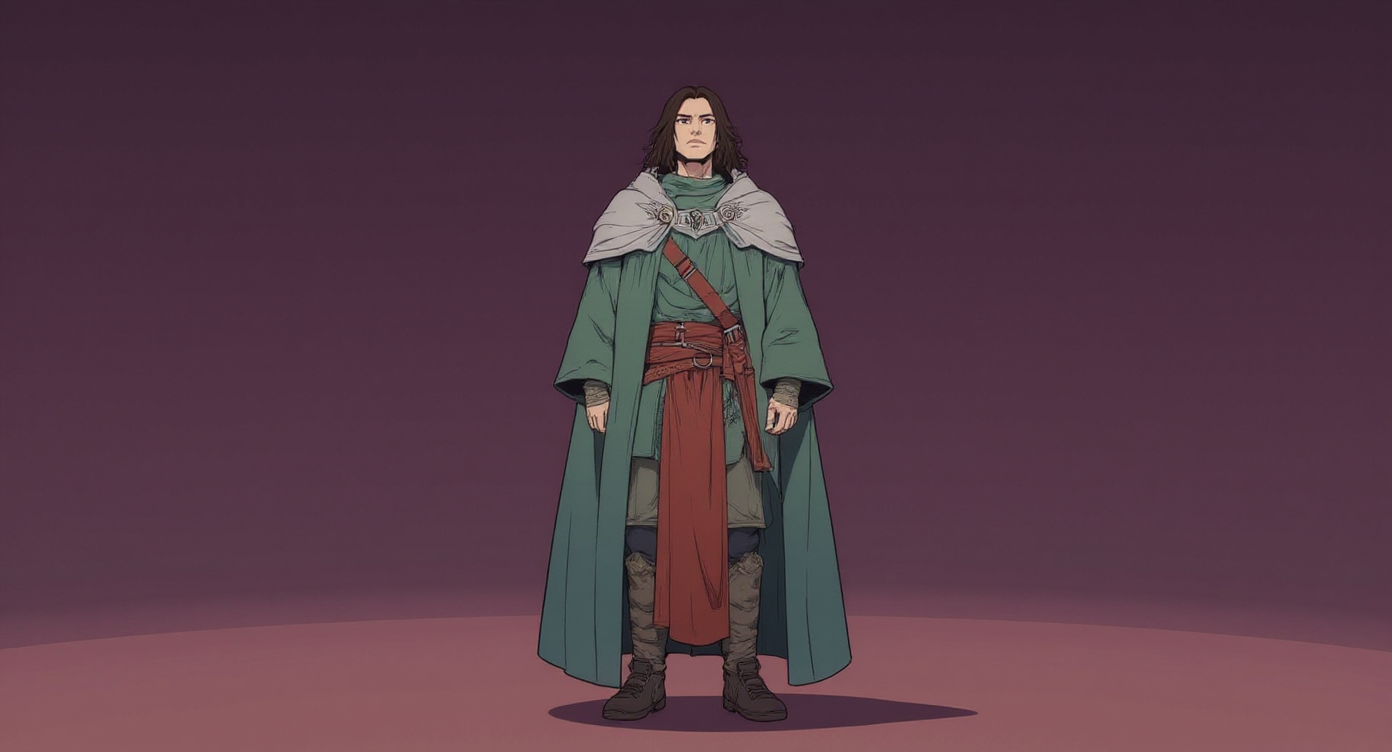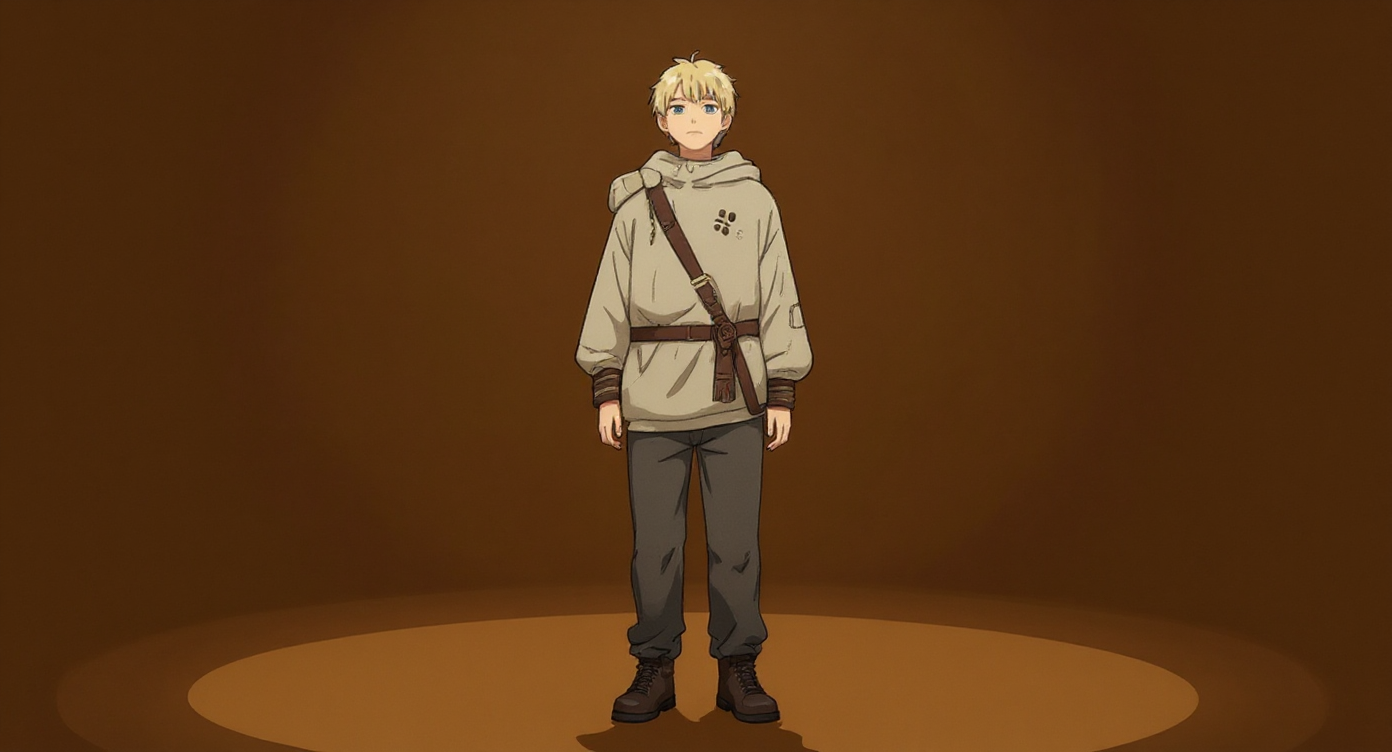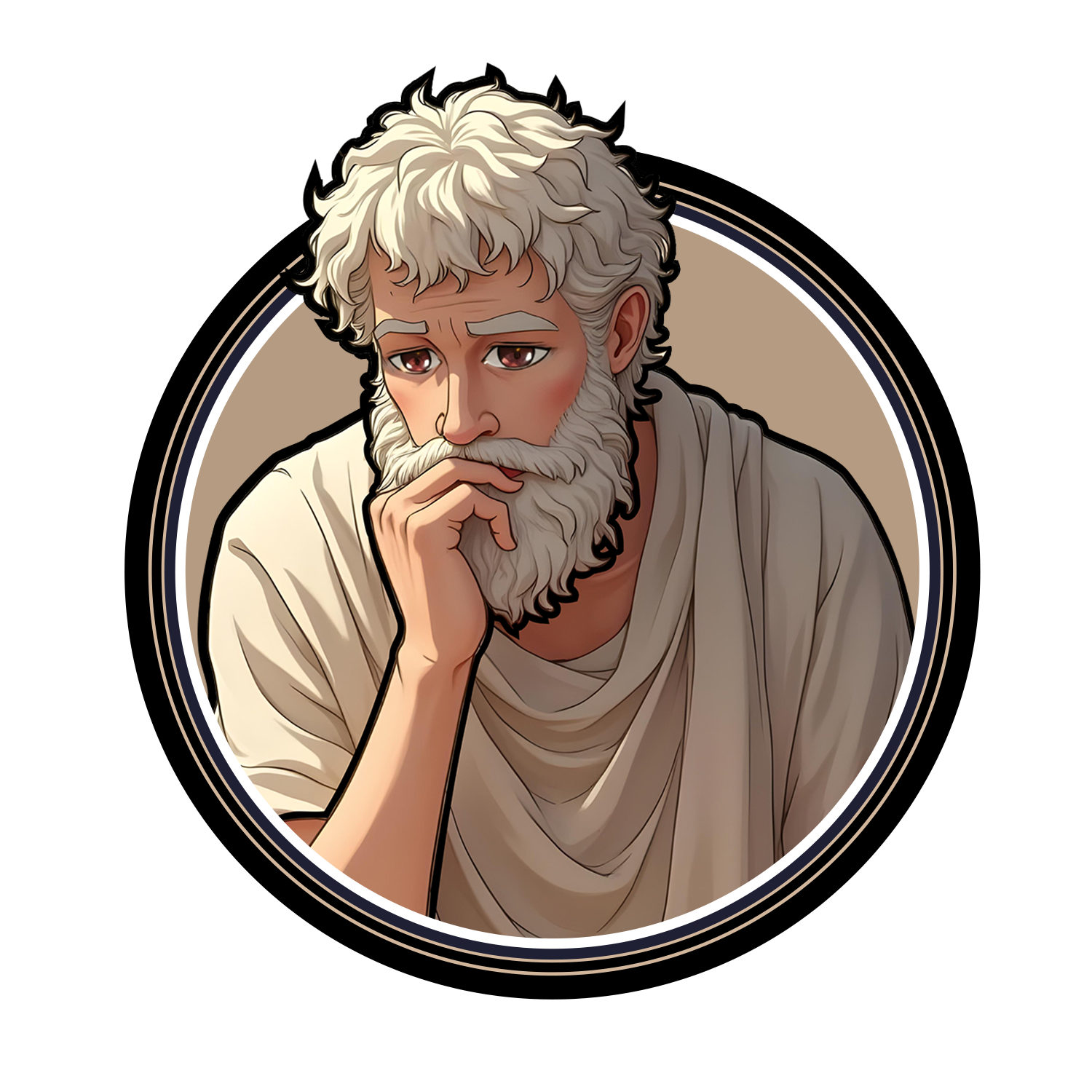
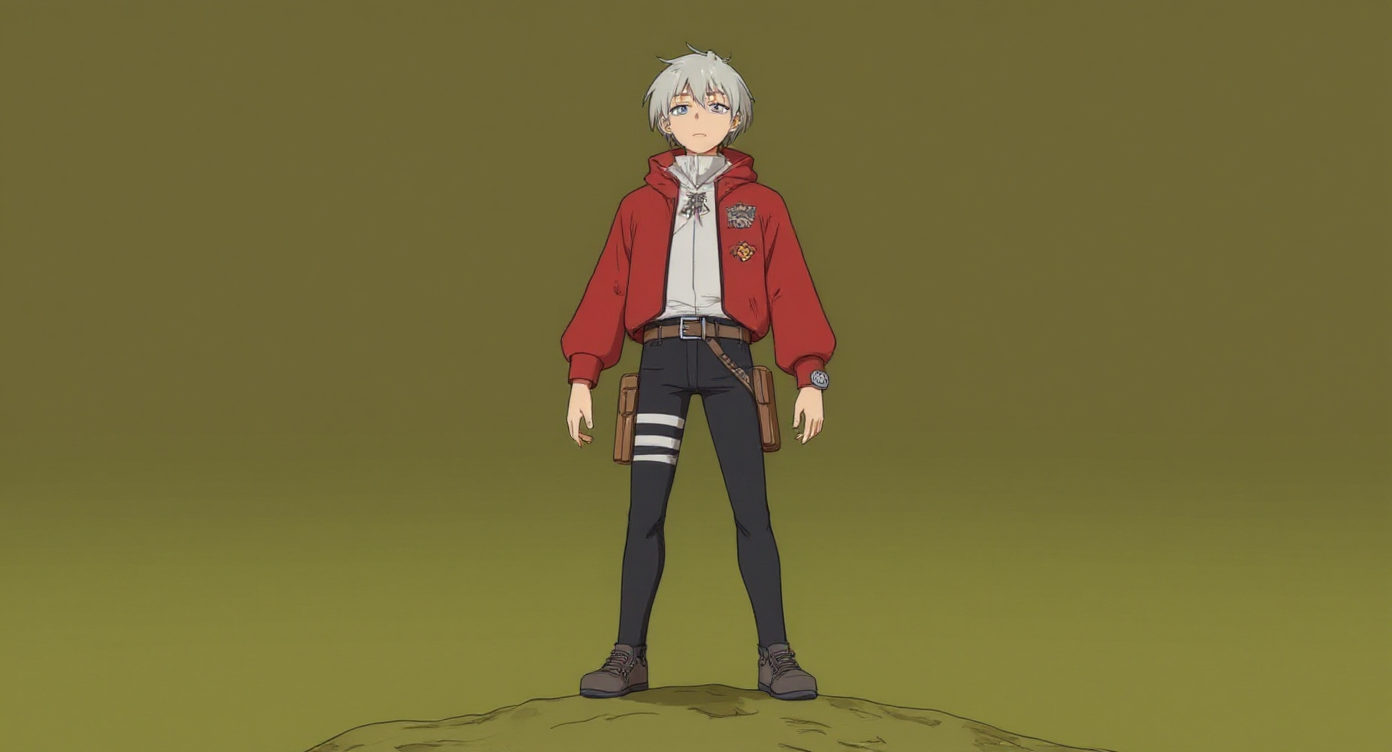
In the Return to Shiganshina arc of Attack on Titan, Armin Arlert demonstrates the Stoic principle of rational judgment under extreme pressure. As taught by Epictetus, rational judgment is the disciplined ability to separate what is within our control from what is not, and to act according to clear understanding rather than fear or impulse. When the Colossal Titan threatens to annihilate the Scouts and everything they fight for, Armin’s clarity defeats overwhelming power.
The Moment That Defined the Battle
The Scouts have retaken Shiganshina’s outer wall but remain trapped between the Beast Titan beyond the gates and the Colossal Titan now looming inside the district. Their mission is desperate: reclaim the city, protect the truths hidden in Eren Yeager’s basement, and preserve humanity’s last hope of understanding the world beyond the walls.
Bertolt Hoover transforms. The Colossal Titan erupts in a blast of superheated steam that melts rooftops and drives the Scouts back. The air itself becomes a weapon. Houses collapse. Visibility drops to nothing. Failure here means Shiganshina falls, the basement is lost, and brute force once again dictates humanity’s future.
In that furnace, most minds collapse into a single thought: nothing can be done. Armin refuses that conclusion.
What Rational Judgment Actually Means
Epictetus taught that we do not control external events, only our judgments about them. Rational judgment is the practice of observing reality accurately even when fear screams otherwise. It asks: What is actually happening? What resources is the enemy expending? What assumptions can we exploit?
Armin applies exactly this. He does not see an invincible monster. He sees a Titan whose greatest weapon, its steam, is also its greatest limitation. The more Bertolt vents to keep the Scouts at bay, the thinner and weaker his Titan form becomes. That single observation turns an impossible situation into a legible one.
This is not calmness because danger is small. It is clarity because the danger is too important to allow fear to distort it.
The Plan and the Price
Armin’s strategy is ruthless in its precision. Eren’s Attack Titan must play dead, lying motionless as bait while Eren himself slips from its nape. The rest of the Scouts become a narrow chain of coordinated sacrifices to keep Bertolt’s attention fixed in the wrong direction.
Armin takes the most punishing role. He fires his anchors into the Colossal Titan’s teeth, the only point outside the mass of burning muscle, and holds on as the steam cooks him alive. His skin burns, his strength fails, yet he remains. Every second he endures keeps Bertolt focused on the wrong threat.
Below, Eren’s Titan lies still. Bertolt, seeing what looks like victory, begins to relax. His desire for a quick kill and the emotional relief of certainty override his caution. That moment of unguarded confidence is the fracture Armin created.
Eren strikes through the steam, severing the Colossal’s nape. The giant falls. Greater physical power is defeated by superior judgment.
The Contrast with Bertolt
Bertolt is not stupid or cowardly in any ordinary sense. He possesses overwhelming destructive force. What he lacks is the ability to maintain rational judgment when the pressure intensifies. Under stress, his world narrows until power feels like the only possible answer. He repeats his initial impulse with greater intensity, mistaking exhaustion for victory and stillness for surrender.
This is paralysis under pressure. It does not always look like freezing. Sometimes it looks like charging forward with more force while ignoring new information.
Armin’s advantage is not that he feels less fear. It is that he places fear beside the facts and refuses to let it become the only fact that matters. Even while burning, he continues to read the battlefield, updating his understanding second by second.
Practical Takeaway
Pressure will come for every one of us. It arrives in arguments, crises, deadlines, and personal disasters. In those moments we are offered a fast identity: victim, aggressor, quitter, or panicked survivor.
Slow the moment down. Name exactly what is happening. Identify the resources being spent. Separate what you control from what you do not. Then ask: What action serves the objective rather than the emotion?
You may still feel afraid. Good judgment does not eliminate fear. It prevents fear from taking command. Like Armin clinging to the Colossal’s teeth, you can remain useful while terrified, provided you keep your judgment intact.
The heat reveals limits. The stillness reveals assumptions. Every detail becomes usable once impulse stops shouting over it.
When the stakes feel unbearable, return to the facts. Find the cost. Find the objective. Choose the burden that makes victory possible, even if victory is not promised. That is rational judgment. That is what remains ours to command.
Adapted from the Anime Stoic episode Why Armin Thinks Better Than Stronger Men | Rational Judgment.