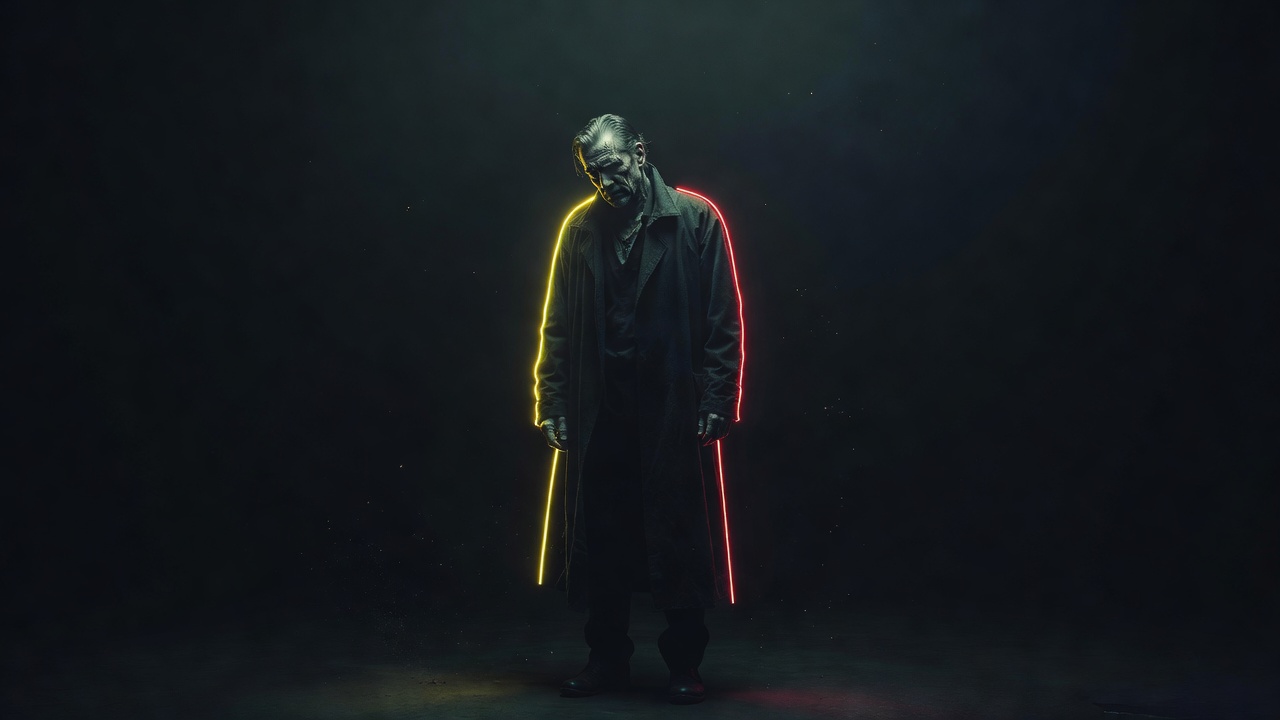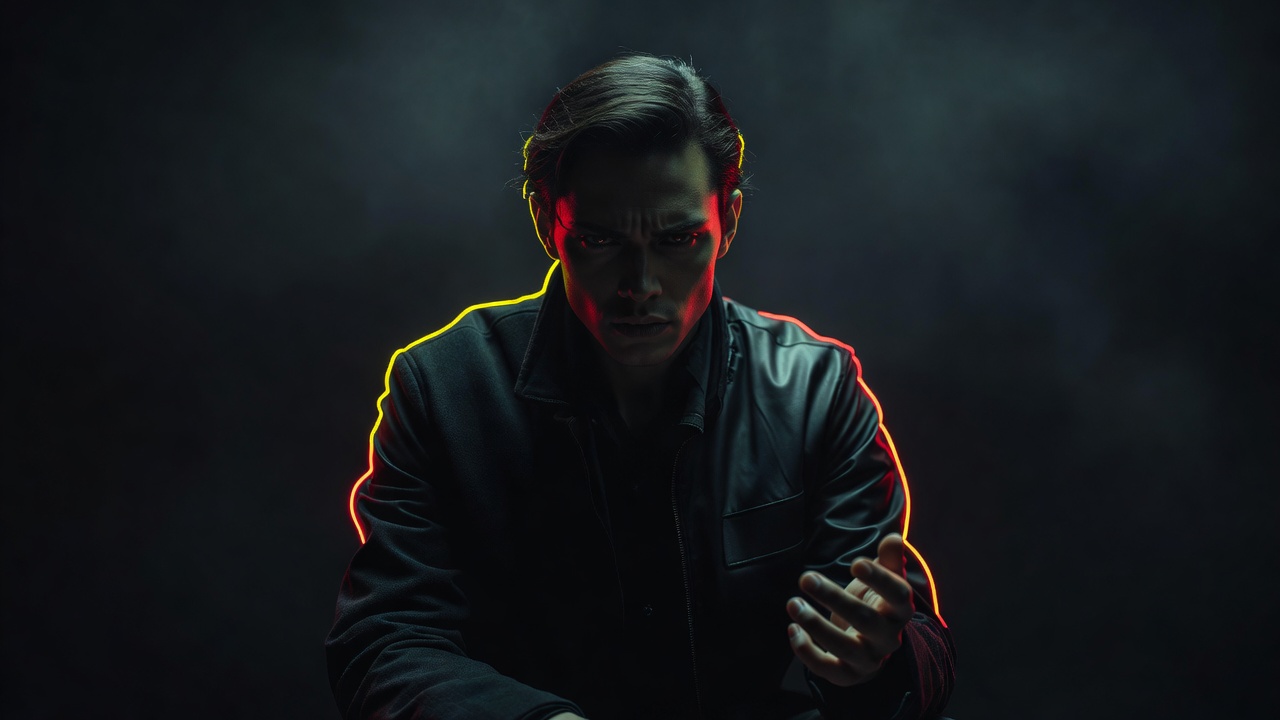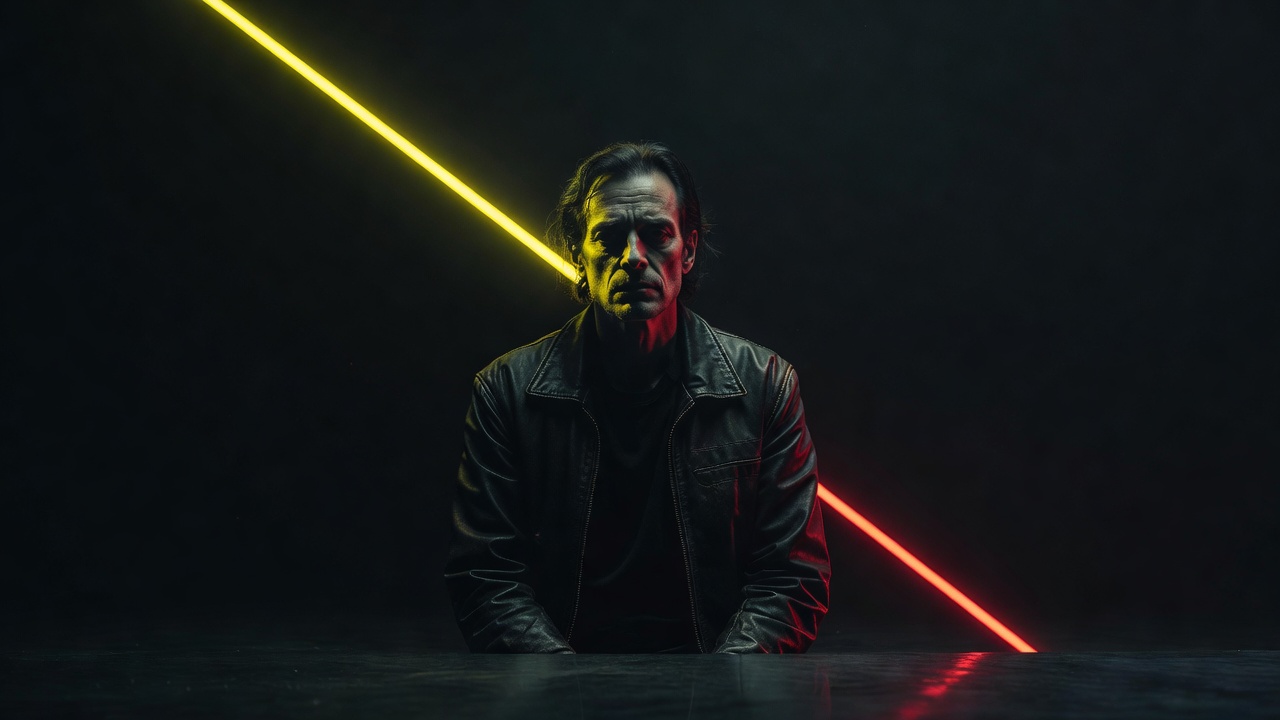
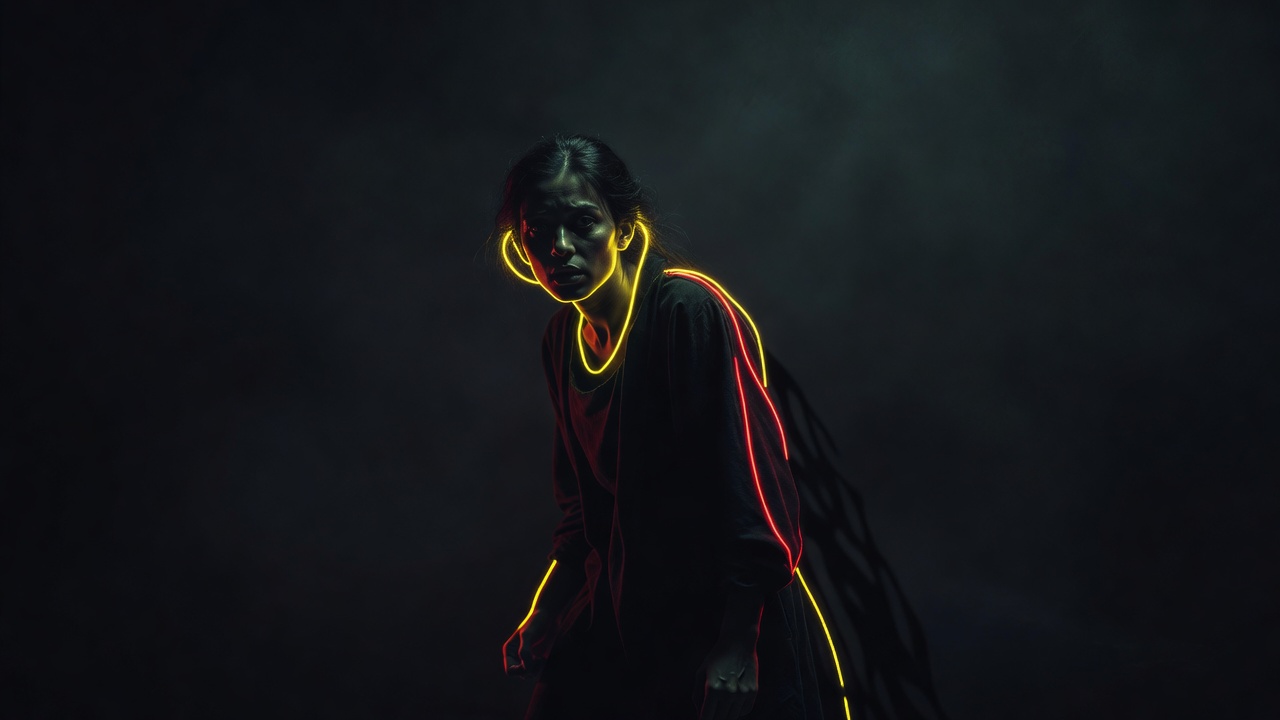
Some short films feel like they were made to prove a point. They arrive carrying a press release, a list of software, and the unmistakable smell of a product demo.
Nocturna Mortis feels different.
It begins with a dream that has apparently been hanging around Pierry Chan’s head for years. That matters, because the film’s central feeling is not “look what AI can do.” It is longing. The kind that survives the person, the place, and the season that created it.
That is where the film gets its grip.
A love song for the dead of night
The soundtrack is built around “Ночь” (“The Night”), originally performed by Beloe Zlato. The lyrics describe evening descending over a city, stars appearing in the sky, and a lover who now looks away instead of searching for another meeting.
The narrator knows the relationship is over. She knows she will be forgotten. She also knows she will not be able to forget.
That is a brutal little emotional engine. No courtroom speech. No grand explanation. Just the quiet humiliation of loving someone who has already moved on.
The song keeps returning to the same image: the blue night, full of stars, bringing tears at the beginning of May. The repetition is the point. Grief does not develop like a screenplay. It circles. It revisits the same room and asks the same question, even after the answer has become obvious.
That gives Nocturna Mortis its shape before we even start talking about its images. The film is working inside the emotional logic of a memory, where beauty and pain keep getting mistaken for each other.
The useful part of AI filmmaking
We have watched plenty of AI-generated video arrive with the confidence of a casino salesman. Everything is smooth, shiny, and vaguely cinematic. The tools can produce expensive-looking surfaces in seconds, then leave you wondering why nothing inside the frame feels alive.
The interesting thing about Nocturna Mortis is that its reason for existing comes first.
Pierry Chan conceived, directed, and edited the film. The AI tools are listed plainly: Seedance 2.5, ChatGPT Images, and Suno AI. That list is useful, but it is not the story. The story is the creative vision that tells those tools what to do.
This distinction is going to matter more as AI filmmaking becomes easier.
A prompt can generate an image. A sequence of prompts can generate a mood board. A machine can imitate the surface language of cinema. But none of that automatically gives a film a reason to linger. Without a human point of view, you get a screensaver with delusions of grandeur.
A dream that has been carried for years is different. It gives the work a private pressure. Even if the viewer never knows the original dream, we can feel that the film is reaching toward something specific.
Why the melancholy works
The song’s speaker is not pretending to be dignified. She loves someone who does not love her back. She imagines him kissing another woman and looking into her eyes with tenderness. Then she delivers the only claim she has left: nobody will love him more than she does.
It is romantic, unhealthy, sincere, and a little embarrassing. In other words, it feels human.
That emotional awkwardness is what keeps the concept from floating away into generic gothic imagery. The title promises darkness, but darkness alone is cheap. A black sky, a pale face, a ruined garden, a figure standing in the rain: any image generator can throw those ingredients into a blender.
The ache has to come from somewhere.
Here, it comes from the song’s collision between the lushness of memory and the finality of abandonment. Gardens once breathed with apple-blossom color. May roses bloomed. Now the places where the lovers met have been swallowed by grass.
That is a strong image because it understands what time actually does. It does not erase the past cleanly. It grows over it.
A small film with a larger argument
There is an argument happening around AI cinema that often gets stuck in the least interesting place. People ask whether the machine made the film. That is usually the wrong question.
The better question is whether anyone had something to say before the machine arrived.
Nocturna Mortis offers a modest answer. Technology can help an artist externalize a private image, especially when a traditional production would be too expensive, too difficult, or simply impossible. It can give form to a dream that might otherwise remain trapped in language.
That does not make the tool an auteur. It makes the tool available.
The credit belongs to the person who chose the song, shaped the mood, assembled the images, cut the material together, and decided when the piece was finished. AI may widen the doorway, but someone still has to walk through it carrying the strange thing they have been protecting for years.
The final take
We do not need every AI short film to announce the future. Frankly, the future has already announced itself enough.
Sometimes the more compelling use of these tools is quieter. A filmmaker takes an old dream, a mournful song, and a feeling that never quite healed. Then they build a short film around the wound.
That is what makes Nocturna Mortis worth paying attention to. It is not interesting because it was made with AI. It is interesting because the technology is serving a vision that existed before the software opened.
The night is full of stars. The past is full of ghosts. And if you are still crying over the same person in May, at least make something beautiful out of it.
Subscribe to Game Pilled: https://www.youtube.com/@GamePilledBlog
Join the Based New Wave!