
The Housemaid - Movie Review
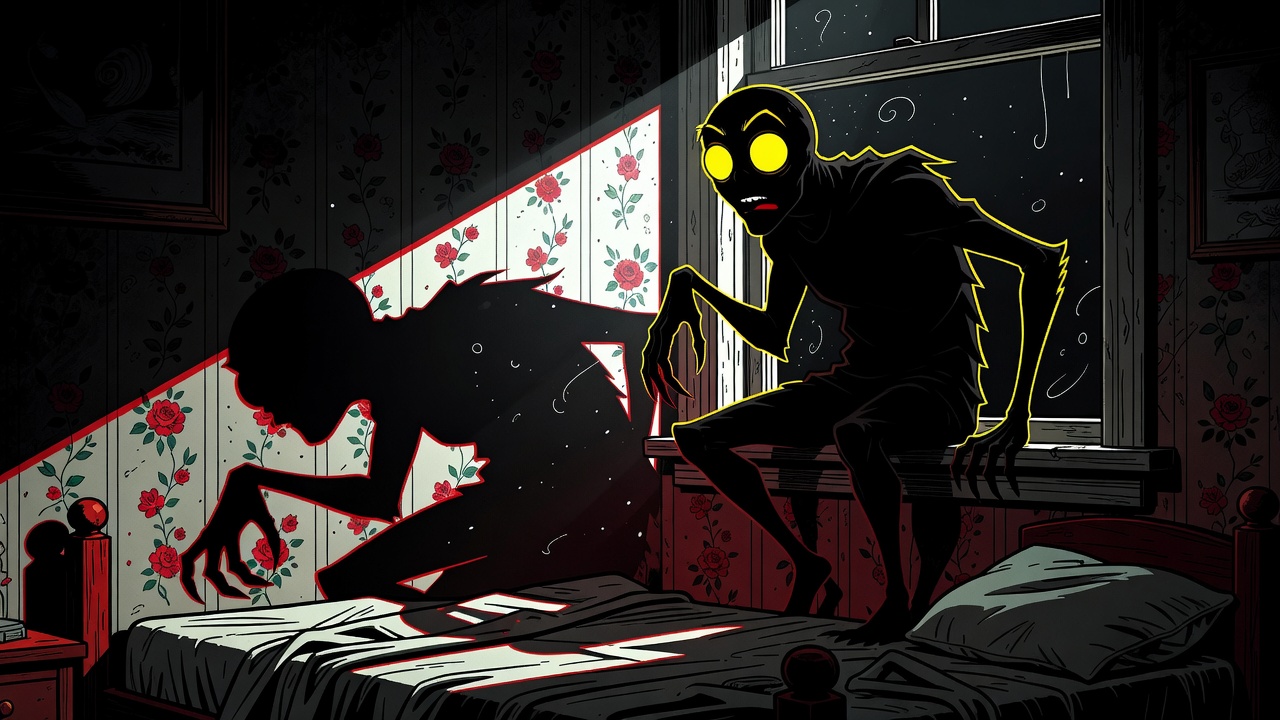
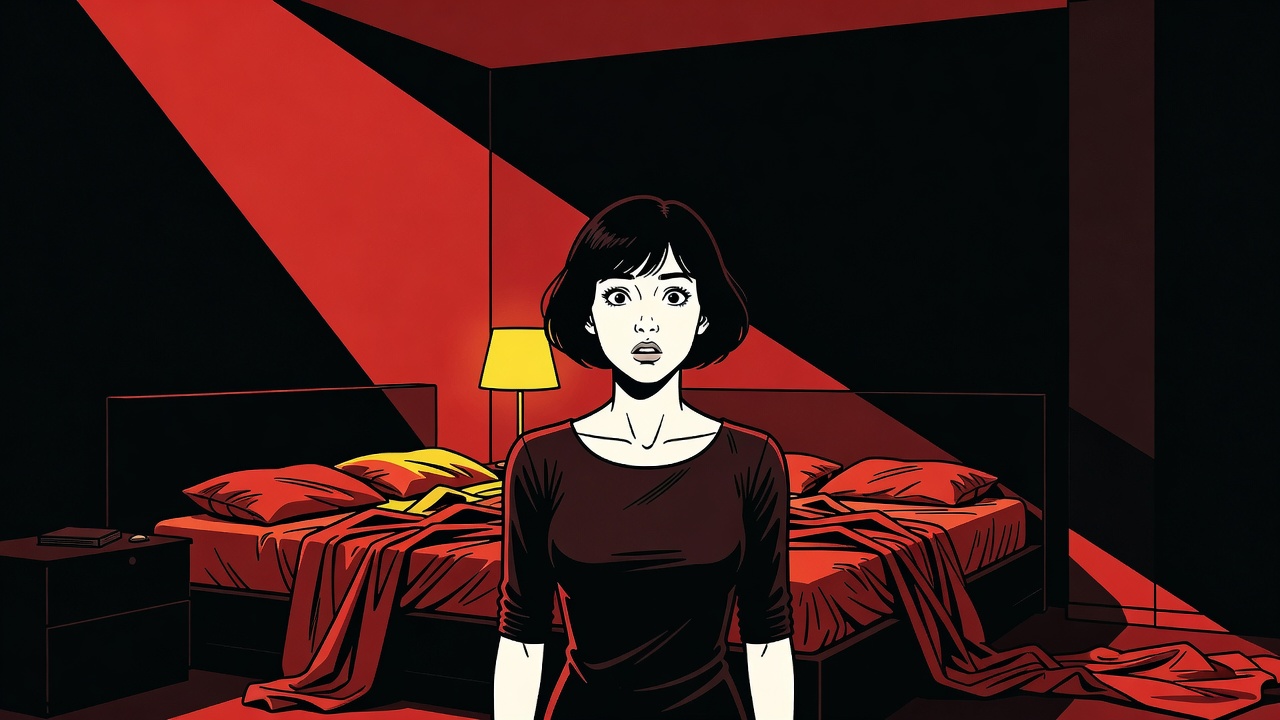
I went into The Housemaid expecting a competent streaming thriller with nice lighting and zero bite. What I got was better than that: a tense, stylish domestic pressure cooker that knows exactly how to make a normal house feel like a trap.
The setup is simple on paper. A woman takes a live-in housemaid job in a wealthy home and quickly realizes the Winchester household has more secrets than square footage. You can feel the floor shifting under every scene, and the movie gets a lot of mileage out of that uneasy “something is wrong here” energy.
This is one of those films where saying too much ruins the fun, so I’ll keep it clean. But if you miss old-school domestic thrillers where every smile might be a lie and every closed door is a warning sign, this one is very much trying to feed that appetite.
What happened
First, credit where it’s due: this cast shows up. The three leads carry almost the entire movie inside one primary location, and nobody drops the ball. In a story like this, one weak performance sinks the whole thing. That never happens here.
The film leans hard into layered characterization instead of one-note archetypes. You’re not watching cardboard villains and naïve victims. Everyone has motive, everyone has baggage, and everyone is managing their own narrative inside the house. That helps the twists land, even when you can spot a couple turns coming from a mile away.
The direction keeps things moving with quiet paranoia rather than constant jump-scare theatrics. You’re not meant to be startled every two minutes—you’re meant to distrust everything. It works. Doors closing sound louder. Silences feel loaded. Casual conversations feel like negotiations.
That said, this movie absolutely has familiar DNA. You’ll recognize the genre fingerprints. At times it flirts with “I’ve seen this before” territory, especially around attraction, control, and the dynamics between the housemaid and the couple. The difference is that The Housemaid usually finds a way to add one more layer before it goes fully predictable.
Why it matters
Domestic thrillers disappeared from center stage for a while, or at least felt diluted into prestige drama and true-crime leftovers. The Housemaid isn’t reinventing the wheel, but it does prove the wheel still rolls when you build it with intent.
This kind of story still works because the fear is universal: who do you trust in your home? And in 2026, that fear isn’t just physical. The movie’s core warning maps cleanly onto digital life too. We let strangers into our spaces all the time—apps, devices, inboxes, accounts—then act surprised when boundaries collapse.
That thematic overlap gives the film more relevance than “rich people behaving badly” thrillers usually get. It taps into a modern anxiety without turning into a sermon.
There’s also a practical reason this matters: audiences are hungry for genre films that are actually about suspense, not just brand extensions and universe setup. Social chatter around this movie is mixed but interesting. Some viewers are praising the casting and entertainment value; others are already pre-angry about where a sequel could go. That tells you two things: people are watching, and they care enough to argue.
In the current landscape, that’s a win.
The bigger pattern
Hollywood has a habit of taking a comeback genre and instantly trying to franchise it into paste. You can already see that risk around The Housemaid: talk of sequel direction, casting anxiety, and the usual culture-war panic getting stapled onto a movie before the ink is dry.
Some criticism is valid. Some of it is projection. A lot of it is just the internet being the internet.
The useful read is this: when audiences complain about “plot holes,” “bad writing,” or “AI-feeling dialogue,” they’re really signaling fatigue with formula and empty escalation. They’ll forgive a familiar premise if the execution feels human, specific, and tense. They won’t forgive laziness disguised as cleverness.
The Housemaid mostly avoids that trap. It’s not bulletproof, and it does run long. You can feel sections where a tighter cut might have hit harder. But the film has enough internal logic and performance credibility to stay on its feet. Even when it moves into predictable terrain, it usually earns the turn with character motivation rather than random shock tactics.
And yes, there are moments where I called a reveal before the movie confirmed it. That’s not automatically a failure. Predictable can still be satisfying if the path there is well-built. The problem is only when the film confuses “hidden information” with “smart writing.” The Housemaid gets close to that line, but doesn’t fall over it.
Final take
I had a good time with The Housemaid. It’s a solid domestic thriller that respects the genre, gets strong work from its cast, and delivers enough tension to justify the runtime—even if that runtime could have been leaner.
It won’t convert people who hate twist-driven thrillers on principle. But if you like stories built on psychological pressure, social performance, and the slow realization that nobody in the room is telling the whole truth, this is worth your time.
Verdict: Sharp, tense, occasionally familiar, but more than competent. A comeback entry that proves the domestic thriller still has teeth when handled with care.
Because if this movie gets one thing right, it’s this: the person you let into your home can remake your life—for better or worse.
Subscribe to Game Pilled: https://www.youtube.com/@GamePilledBlog
Join the Based New Wave!