In the 72 hours before D-Day, one meteorologist has to tell the most powerful men in the Allied war effort that the invasion may have to wait. Pressure turns that argument into a tight, tense war drama, and it works.
Most war movies want to sell you the front line. Bullets. Mud. Hero shots. Men screaming through smoke while the music tells you history is happening.
Pressure goes the other way.
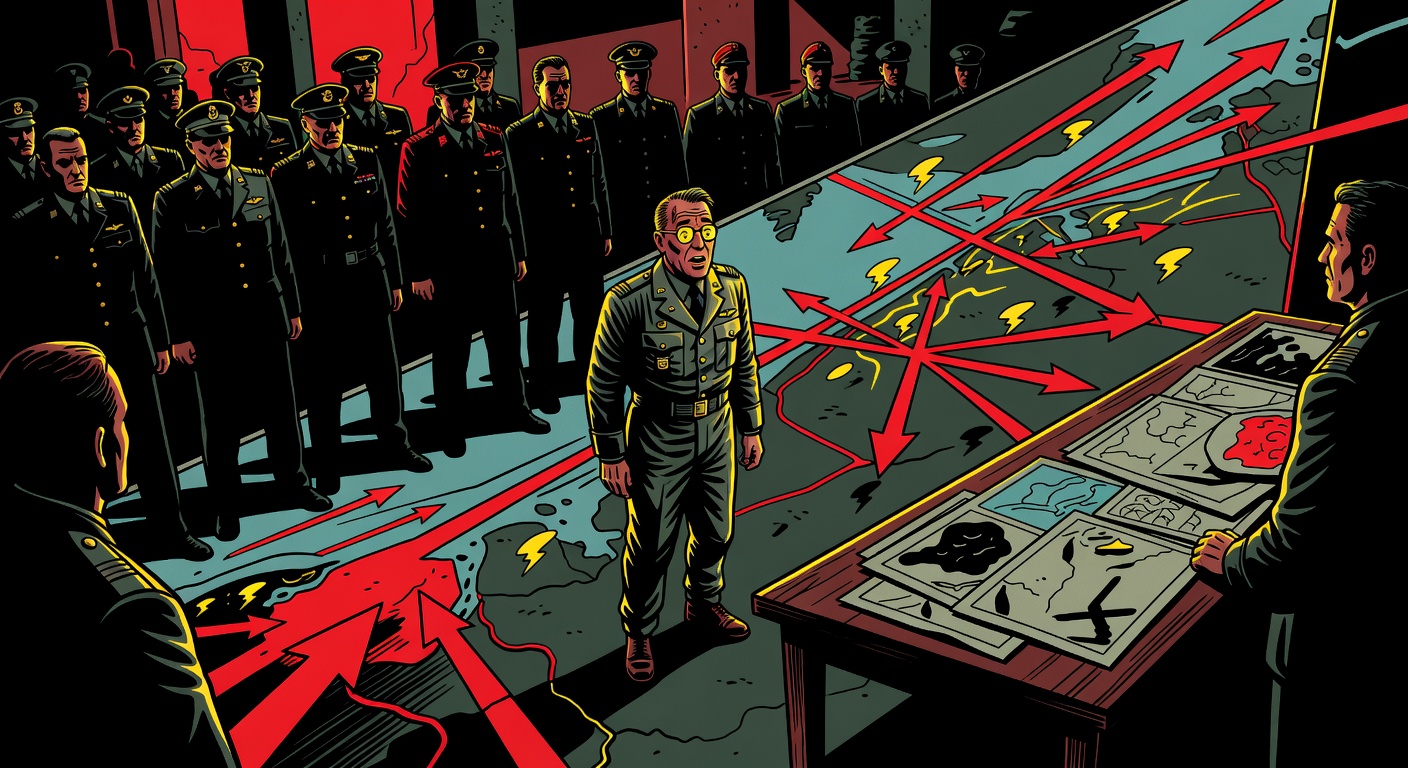
It locks itself inside rooms full of maps, forecasts, cigarettes, nerves, and men who desperately want reality to cooperate with their plans. The hook is almost perversely unglamorous: in the final 72 hours before D-Day, General Eisenhower needs an answer to the least cinematic question imaginable. What is the weather going to do?
That is the movie, and I mean that as praise.
I love stories like this because they remind you war is fought on a lot more fronts than the obvious one. Sometimes the decisive battle is not a beach landing or a dogfight. Sometimes it is one stubborn expert looking at bad data, worse consequences, and a room full of brass that would really prefer he say something else.
That is where Pressure lives.
Brendan Fraser plays Eisenhower, and going in, I half expected this to be his movie. The marketing certainly nudges you that way. I get it. The Fraser resurgence is real, and people are happy to see him back in heavyweight material. But this is really Andrew Scott’s film. He plays James Stagg, the meteorologist tasked with telling men with armies and deadlines whether nature is going to let them have their war on schedule.
Scott is excellent here.
He does not play Stagg like some grandstanding genius or tortured savant. He plays him like a man who knows the numbers say one thing and everyone around him wants the numbers to say another. That sounds simple. It is not. The whole performance hangs on the difference between stubbornness and integrity, and Scott nails it. He makes Stagg feel intelligent without turning him into a machine, and tense without overplaying the panic.
That matters, because this movie would fall apart if the central conflict felt trivial.
It never does.
One meteorologist says the signs are good. Another looks at the current patterns and says absolutely not. On paper, that sounds small. In practice, it means thousands of lives, the timing of the invasion, the possibility of delay, and the risk that postponement gives the Nazis more time to fortify. The film understands that every forecast here is dragging a body count behind it. It never lets you forget what is sitting on the other side of the argument.
What I liked most is how clearly Pressure understands a very human problem that goes well beyond this specific historical moment: a lot of people do not actually want the truth. They want reassurance. They want confirmation. They want an answer that blesses the decision they already made.
That is the pressure in Pressure.
Not the weather by itself. Not even the war by itself. The real pressure is being the person in the room who has to say, “No, the facts are bad, and I am not going to lie to make this easier for you.”
That lands.
There is something deeply compelling about a war movie where the heroism comes from refusing to massage reality. Stagg is not charging a machine-gun nest. He is doing something rarer than that in public life, then and now: he is sticking to the data when the data is inconvenient.
That is a good dramatic engine, but it is also just a good human story.
The movie gets extra mileage out of the fact that everyone understands the scale of the moment. Nobody is sleepwalking through the stakes. This is D-Day. The entire room knows what hangs on the call. If the invasion goes badly, men die. If it is delayed, men still die. If the window closes, history may shift with it. So even though this is a movie built around forecasts and arguments, it never feels small. It feels compressed. There is a difference.
The acting across the board is solid. Fraser brings the right weary authority to Eisenhower. Kerry Condon and Damian Lewis both help fill out the room with people who feel like they belong in that crisis instead of merely decorating it. But Scott is the one holding the whole machine together. He gives the film its spine.
And credit to the script and direction: this thing moves.
A movie about weather briefings in wartime could easily turn into prestige oatmeal. Slow, self-important, and very pleased with its own seriousness. Pressure mostly avoids that trap. It keeps the tension alive. It understands when to let silence do the work and when to press harder. It does not get cute. It does not overinflate itself. It knows the material is interesting enough on its own.
I also liked the use of colorized World War II footage blended with the staged material. Sometimes that sort of thing can feel gimmicky, but here it helps. It gives the film a little more texture and a little more gravity. The real footage bleeding into the recreated drama makes the whole thing feel less like actors visiting history and more like history pressing back.
And here is another point in its favor: it is short.
One hour and forty minutes. A hundred minutes exactly. Imagine that. A movie that knows how long it needs to be and then stops. Hollywood should write that on a wall somewhere and read it every morning.
Is Pressure perfect? No. If you want a sweeping war epic, this is not that. If you need spectacle every ten minutes, this is definitely not that. The film is narrow by design, and some viewers are going to bounce off that. They will call it talky. They will say it feels stagey in places. They will not be entirely wrong.
But I think the movie earns that narrowness. It picks a lane and commits to it.
What you get is a war drama about decision-making, truth, and moral nerve under institutional pressure. That is a pretty strong trade.
I came away impressed. The tension is real, the performances are good, and the movie understands the strange kind of bravery it is trying to honor. Andrew Scott, especially, deserves more attention for this one. He has been great in plenty of things, and he is great here too.
So yes, I think Pressure is worth watching. I think it is worth owning on Blu-ray if you still buy physical media. And I think it is a smart reminder that history is often shaped by the people in the room who are least interested in telling a comforting lie.
If you have seen Pressure, I want to know what you thought. And while we are at it, what is your favorite war movie about the people behind the scenes rather than the soldiers on the line?
⚠️ 🛠️ print lines 1-220 from ~/.openclaw/workspace-penzi/memory/2026-05-29.md (agent) failed