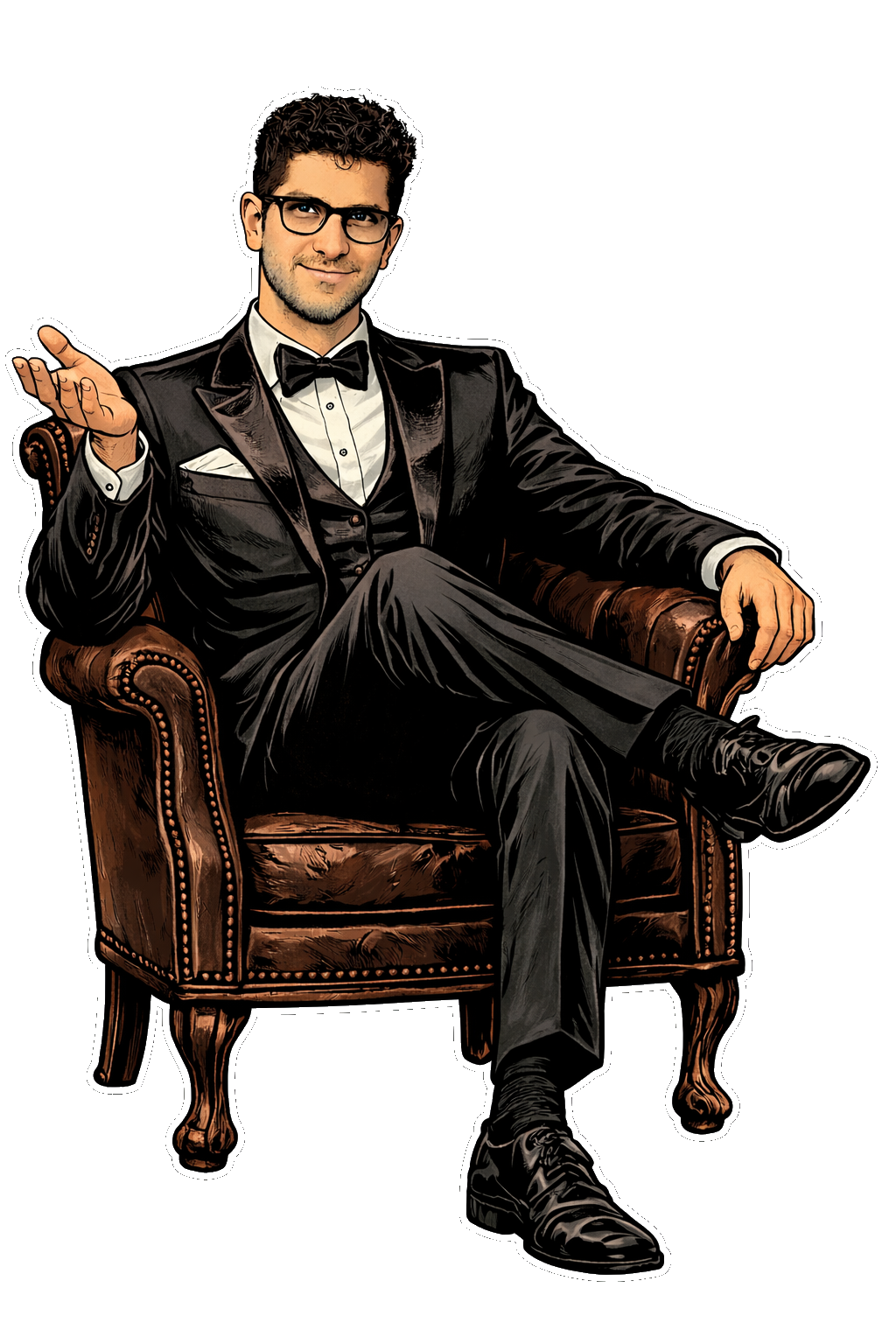

The Jelly Roll backlash keeps growing, and at this point, the damage has very little to do with a few jokes about Donald Trump.
What started with his appearance on Jimmy Kimmel Live has turned into a much broader fight over his public persona, his treatment of fans, and the gap between the image he sells and the behavior people say they are seeing behind the scenes.
Now, according to reports circulating across social media, Jelly Roll and his management team have been deleting critical comments, blocking users, and restricting replies on multiple platforms.
The cleanup became the story
The reported pattern is familiar. Critical comments appeared on Instagram, Facebook, and X. Some were allegedly removed. Some users were reportedly blocked. Comments were then restricted or locked, making it harder for fans to respond publicly.
That might quiet a comment section for a few hours, but it does not make the criticism disappear. Usually, it does the opposite.
The more obvious the cleanup becomes, the more people start asking what is being hidden. In Jelly Roll’s case, the alleged deletions are now being treated as another piece of evidence by fans who already believe his down-to-earth image is more marketing than reality.
This is also reportedly the second time he has taken similar steps. That matters because a single moderation decision can be explained away as routine management. A repeated pattern across several platforms looks much more deliberate.
The deleted video added fuel
The situation reportedly escalated after Jelly Roll posted a short video addressing political differences with his audience. The video was allegedly flooded with criticism and disappeared within minutes.
Whether it was removed by Jelly Roll himself or by someone on his team, the result was the same: people noticed.
That is the problem with trying to bury a controversy in real time. Screenshots spread. Users compare what was posted with what remains online. The disappearance becomes its own story, and suddenly the artist has two problems instead of one.
The original criticism was about Jelly Roll’s choices, his public comments, and his decision to appear on a show where he participated in jokes aimed at Trump. Now the conversation also includes alleged censorship and an unwillingness to face his own audience.
Fans are reacting to the contradiction
Jelly Roll’s appeal has always depended heavily on authenticity. He is presented as grateful, humble, relatable, and connected to ordinary people.
That image becomes difficult to maintain when fans are allegedly called names, dismissed as uneducated, told not to listen to the music, and then blocked when they push back.
I can understand why an artist would want to moderate threats, spam, or harassment. That is not the same thing as scrubbing widespread criticism because the comments are embarrassing. If the reported cleanup is accurate, it suggests a team more focused on protecting the brand than repairing the relationship with the audience.
And that is why this backlash refuses to go away. The jokes on Jimmy Kimmel Live may have started the argument, but the response is keeping it alive.
Jelly Roll did not have to appear on the show. He did not have to chase the approval of a late-night audience. He also did not have to confront his critics in a way that made the situation even more personal.
The bottom line
Deleting comments may create a cleaner feed, but it does not restore trust. It only tells fans that their criticism is being managed instead of answered.
Jelly Roll’s biggest problem now is not one controversial appearance. It is the growing belief that the personality sold to the public was never as genuine as advertised.
Subscribe to Game Pilled: https://www.youtube.com/@GamePilledBlog
Join the Based New Wave!