We have spent years asking for a proper Wolverine game. Give us the claws. Give us the brutality. Give us the healing factor, the rage, the animal instincts, and the simple pleasure of tearing through a room full of enemies.
That should not be a difficult assignment.
Yet Wolverine somehow turns the easiest superhero fantasy in gaming into a slow, awkward, heavily scripted slog. The clips coming out of the game are not isolated bad moments. They expose the entire design philosophy.
Wolverine is supposed to feel dangerous
The biggest problem is obvious the second combat starts: Wolverine does not feel like Wolverine.
You slash enemies with adamantium claws and they absorb hit after hit. Regular guards become damage sponges. The player is left hammering the same attack button until the game decides the target has suffered enough.
That is the opposite of a power fantasy.
Compare it to X-Men Origins: Wolverine, a game based on a movie that nobody expected to be better than the character it portrayed. Yet that game understood a basic rule: if Wolverine gets close enough to stab someone, that person should have a very bad afternoon.
The challenge should come from positioning, enemy weapons, traps, explosives, and overwhelming numbers. It should not come from watching a nameless soldier shrug off six claw strikes to the chest.
The old game understood that Wolverine’s claws were the gameplay. The new game treats them like a decorative accessory.
A $300 million game with no confidence
Reports have placed the production budget somewhere around $300 million, possibly more before marketing. That is an absurd amount of money for a short, linear game that can reportedly be finished in roughly 13 or 14 hours.
A compact campaign can work. The problem is that Wolverine does not use its limited runtime efficiently. It cycles between repetitive combat, guided exploration, and long stretches of characters whispering through their emotions.
There are quick-time sequences where the outcome barely changes whether the player presses anything. There are scent trails that turn exploration into following a highlighted path. There are encounters where the game seems terrified that the player might make a decision without being prompted first.
This is the kind of design that mistakes accessibility for removing every meaningful interaction.
By the time the credits roll, we are not asking for more. We are asking why the game needed so much money and so little imagination.
The marketing understood the fantasy
The strangest part is that the marketing appears to understand what people want.
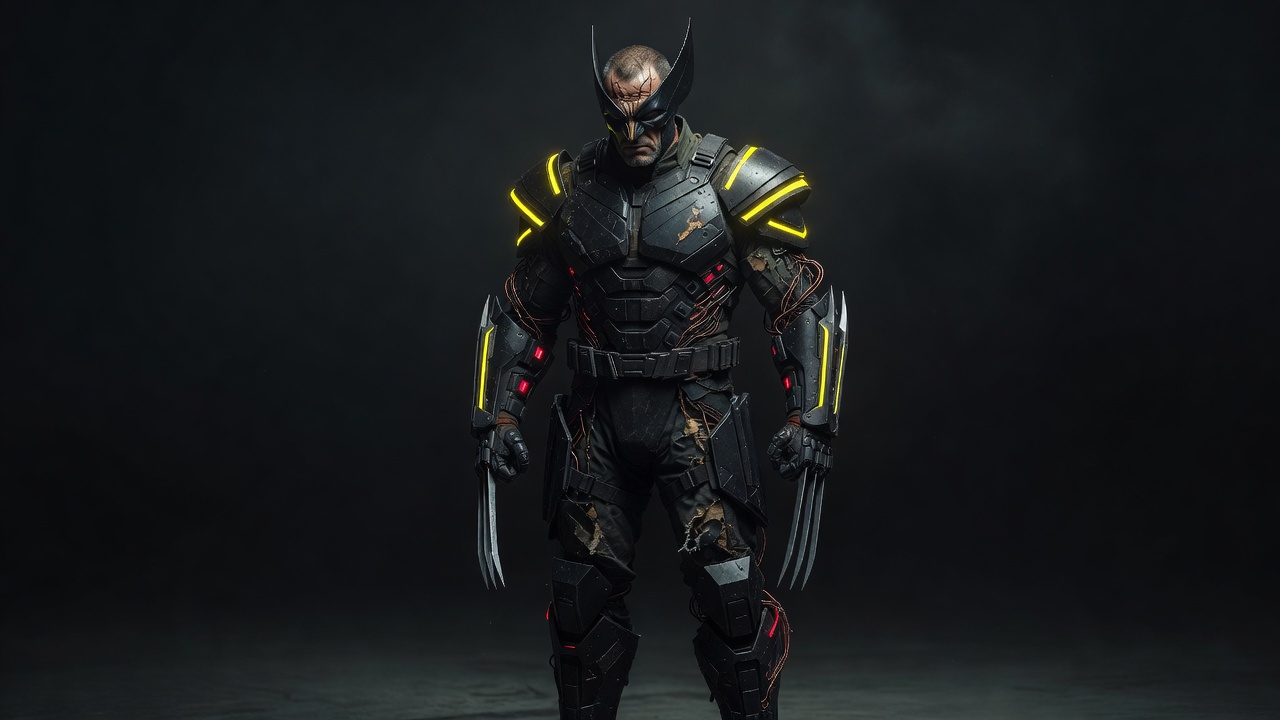
The trailers show a brutal, masculine Wolverine tearing through enemies with the kind of confidence the character should have. He looks dangerous. He looks cool. He looks like someone you would actually want to play.
Then the game arrives, and the fantasy collapses into awkward dialogue, soft character work, and combat where Wolverine cannot finish off a basic enemy without filing the proper paperwork.
That disconnect tells us everything. The people selling the game knew the appeal. They could put it in a trailer. They simply did not build the actual game around it.
This is becoming a familiar pattern across big-budget entertainment: advertise the version of the property the audience wants, then deliver the version the creative team wanted to make instead.
The tonal confusion is impossible to ignore
The story also seems determined to turn Wolverine and Sabretooth into something far more emotionally suggestive than the material can support.
Rivalry can be intimate. These characters are brothers, enemies, and distorted reflections of one another. That tension can be compelling without requiring the script to pause every few minutes and announce how complicated their feelings are.
Instead, the game appears to lean into yearning, lingering looks, and dialogue that makes the relationship feel like it belongs in a completely different story. The result is not daring. It is simply tonally confused.
The same problem shows up in the supporting cast. Characters are introduced through performance-capture celebrity and carefully staged emotional beats, but the writing often feels less interested in making them entertaining than in making sure everyone explains exactly how they feel.
That is how a Wolverine game becomes less about rage, danger, and survival and more about people processing their inner lives in corridors.
The hiring problem is really a taste problem
We keep hearing about the scale of modern game teams and the number of specialists required to build a AAA production. Fine. A game this large needs a lot of talented people.
But talent is not the same thing as a résumé, and representation is not a substitute for taste.
When studios begin hiring around checklists, corporate priorities, or ideological signaling instead of demonstrated ability, the damage spreads through the whole production. Writers who do not understand the property shape the story. Designers who do not understand the fantasy flatten the gameplay. Executives who do not understand the audience approve everything because nobody wants to be the person who objects.
Eventually, every department reinforces the same mistake.
That is how you get a game where the character model, animations, dialogue, combat, and pacing all feel slightly wrong at the same time. It is not one bad decision. It is a room full of people making decisions without a shared understanding of what makes Wolverine cool.
This is why the audience is done being patient
The audience is not rejecting big games because they are big. We are rejecting expensive games that feel embarrassed by their own premise.
Give us a Wolverine game that lets Wolverine be Wolverine. Let the claws matter. Let enemies fear him. Let combat reward aggression and skill. Let the story understand that Logan does not need to narrate every emotion for us.
The old Wolverine game was rough around the edges, but it had the central idea. This new one reportedly had hundreds of millions of dollars and still could not find it.
That is the real failure here. Not one ugly scene, one strange line, or one broken animation. The failure is that an entire production looked at Wolverine and decided the important part was everything except Wolverine.
Subscribe to Game Pilled: https://www.youtube.com/@GamePilledBlog
Join the Based New Wave!