
Hollywood still thinks people are waiting outside the theater for whatever famous actor gets attached to the next expensive vanity project.
They aren’t.
That is the lesson behind Digger, Tom Cruise’s eco-warrior movie that reportedly struggled to attract an audience despite heavy promotion and one of the biggest movie stars alive in the lead role. The film didn’t become a cultural event. It didn’t generate curiosity strong enough to overcome the trailer. It barely seemed to become a movie people wanted to discuss.
And that is the real problem.
The trailer lost the audience before the movie arrived
The early teaser had at least one thing going for it: mystery.
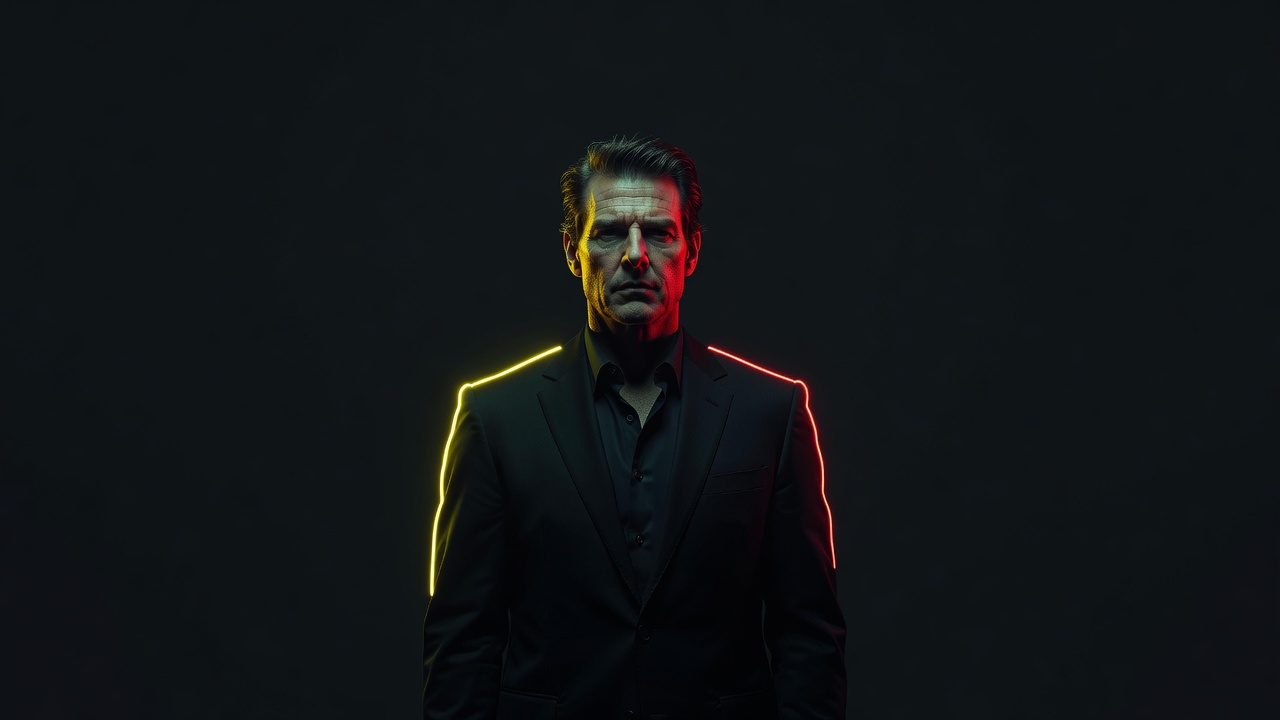
We saw Tom Cruise in silhouette, swinging a shovel around and acting strange. That could have gone in an interesting direction. Maybe this was a weird, bold, unconventional Cruise performance. Maybe the movie had something unusual to say.
Then the actual trailer appeared.
Suddenly, the project looked goofy in the least appealing way possible. The tone was unclear. The central character didn’t look compelling. The shovel routine felt like a desperate attempt to manufacture a viral moment instead of a glimpse at a movie anyone would genuinely want to watch.
That distinction matters.
There is a thin line between eccentric and embarrassing. Digger appeared to cross it before the audience ever had a chance to see the full film.
The marketing also reportedly leaned on scenes that barely exist in the finished movie. The shovel is used briefly. The dancing seen in the trailer apparently isn’t part of the actual story. Instead of selling the movie that was made, the campaign tried to create a mystery around Tom Cruise being weird.
That strategy might have worked decades ago, when audiences had fewer entertainment options and movie stars carried more automatic trust. Today, people have seen this trick too many times. They know that a strange trailer can be hiding a strange movie, or it can simply be hiding the lack of a movie.
Curiosity is not a substitute for confidence.
Tom Cruise is still famous. That isn’t the same as being a draw
There is an important difference between being recognizable and being able to open anything.
Tom Cruise remains one of the most famous actors on the planet. Put him in a Mission: Impossible movie, and the audience understands the assignment. Put him in a recognizable franchise with a giant marketing machine behind it, and people may still turn out.
But the idea that “Tom Cruise is in it” automatically makes an original project an event has expired.
That was already true during his peak. Cruise could headline an action blockbuster and still face more resistance in a smaller or stranger film. The difference is that the old theatrical system had more room for movies to build an audience over time. Home video mattered. Word of mouth had time to spread. A movie could have a second life after leaving theaters.
Now the budgets are enormous, streaming arrives quickly, and audiences are trained to wait. If the film doesn’t look essential, why spend the money on tickets, parking, and concessions when it will be available at home soon?
A famous actor can still help. Fame alone cannot do the entire job.
“All publicity is good publicity” stopped being true
The campaign for Digger seemed to flirt with the idea that controversy would create interest. If some people loved the film and others hated it, maybe the argument itself would drive audiences into theaters.
That logic is ancient.
“All publicity is good publicity” made more sense when people had a handful of television channels, a few newspapers, and limited access to entertainment news. Attention was scarce. Any mention could help.
That is not the world we live in now.
Today, people are buried under content. A negative reaction does not necessarily create curiosity. It often gives potential viewers permission to skip the movie. If the dominant conversation says the film looks unpleasant, preachy, confusing, or simply boring, most people do not rush out to investigate. They move on to the next thing.
Being talked about is not the same as being wanted.
A divisive movie can succeed when the audience is split and both sides are invested. But Digger seemed to be chasing a very narrow audience while alienating everyone outside it. That is not a culture war. That is a marketing problem.
Theaters are reserved for events now
The moviegoing habit has changed, and Hollywood still seems unwilling to accept it.
People are not going to the theater just because a new movie exists. They go when the movie feels like an occasion. Barbie and Oppenheimer became events. Spider-Man became an event. Major concert films, video game adaptations, and cultural spectacles can still pull people out of the house.
A generic movie with a recognizable actor has to work much harder than it used to.
This is why even successful releases can underperform expectations. The audience is not dead, but it is selective. People will show up when they believe they are participating in something bigger than a screening. They want the movie everyone will be talking about tomorrow.
Digger apparently asked audiences to show up for a film that did not look fun, exciting, or culturally necessary. The message may have been important to the people who made it. That does not mean the audience owed them a ticket.
Hollywood keeps treating audience skepticism as a moral failure. It is usually just consumer judgment.
The vanity project era is running out of road
The industry’s biggest mistake is assuming audiences are still impressed by the existence of a production.
A famous actor. A huge budget. A serious message. A strange trailer. A marketing campaign built around outrage. None of these things automatically creates demand.
The movie has to earn the trip.
That is what Digger represents, whether Hollywood wants to admit it or not. The star system still has value, but the old guarantee is gone. Actors are brands only when the audience trusts the brand, and trust has been burned repeatedly by movies that treat viewers like ideological customers instead of people looking for a good night out.
We do not need another lecture about why we should care. We need a reason to care.
Hollywood can keep trying to manufacture cultural moments, but audiences are deciding for themselves what matters. If the movie looks like homework, they will stay home. If the trailer looks embarrassed by the film, they will stay home. If the studio thinks a celebrity name can replace a compelling premise, they will definitely stay home.
Tom Cruise did not become irrelevant overnight.
The assumption that Tom Cruise alone is enough? That is what just died.
Subscribe to Game Pilled: https://www.youtube.com/@GamePilledBlog
Join the Based New Wave!