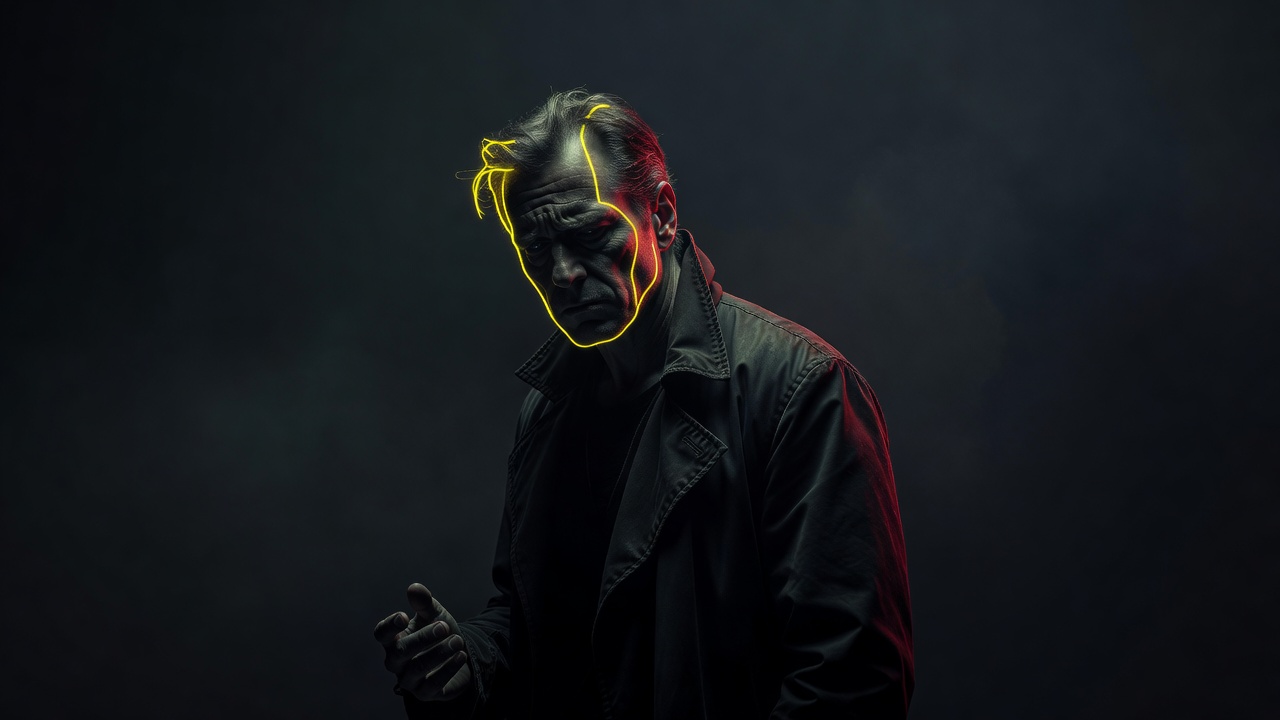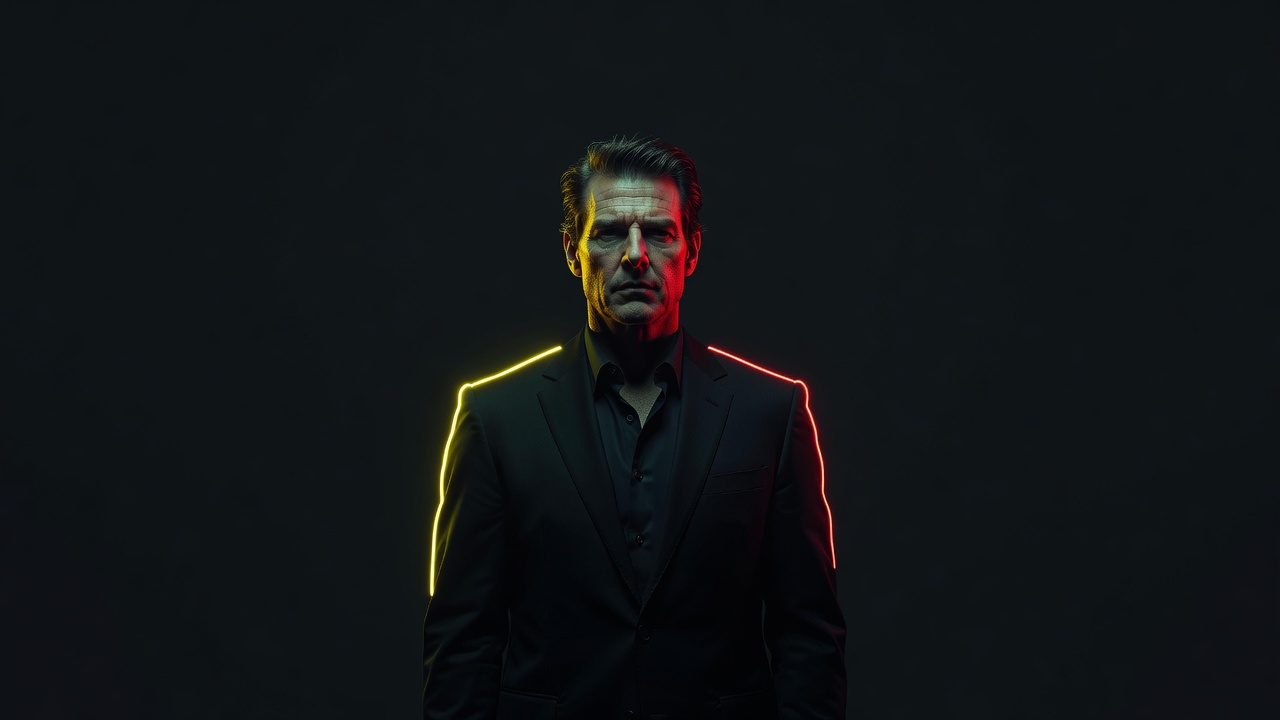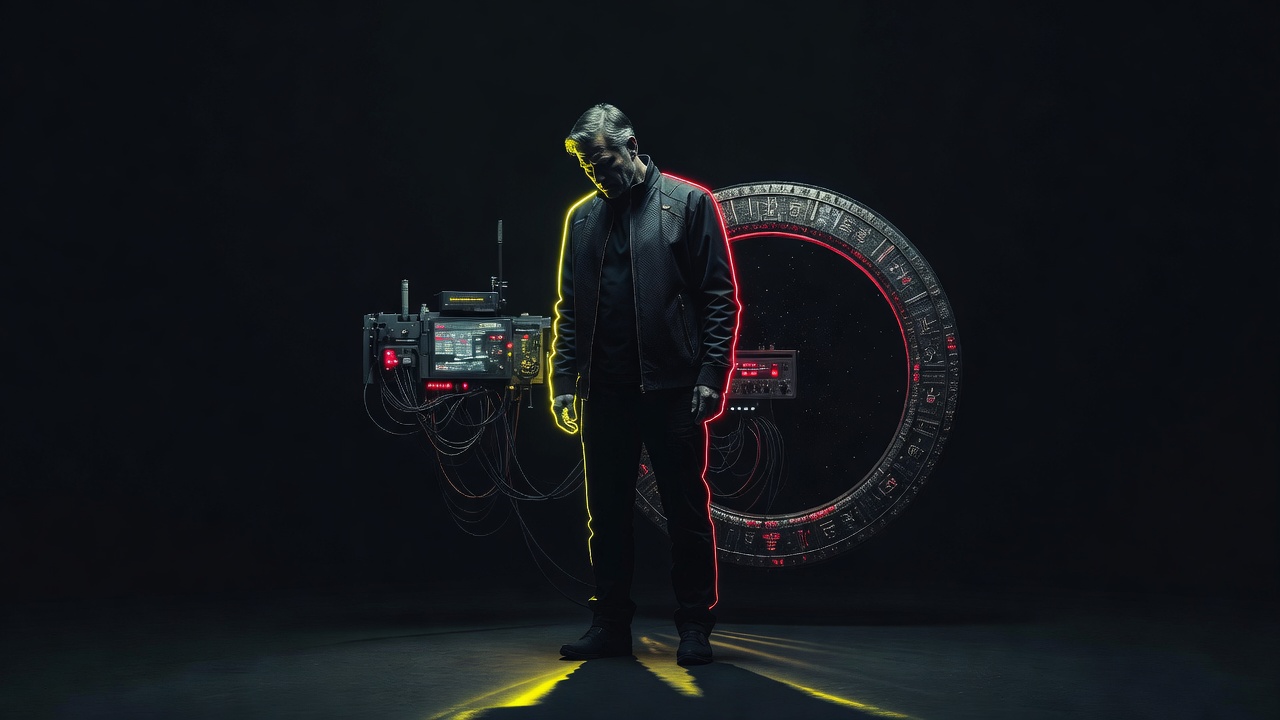
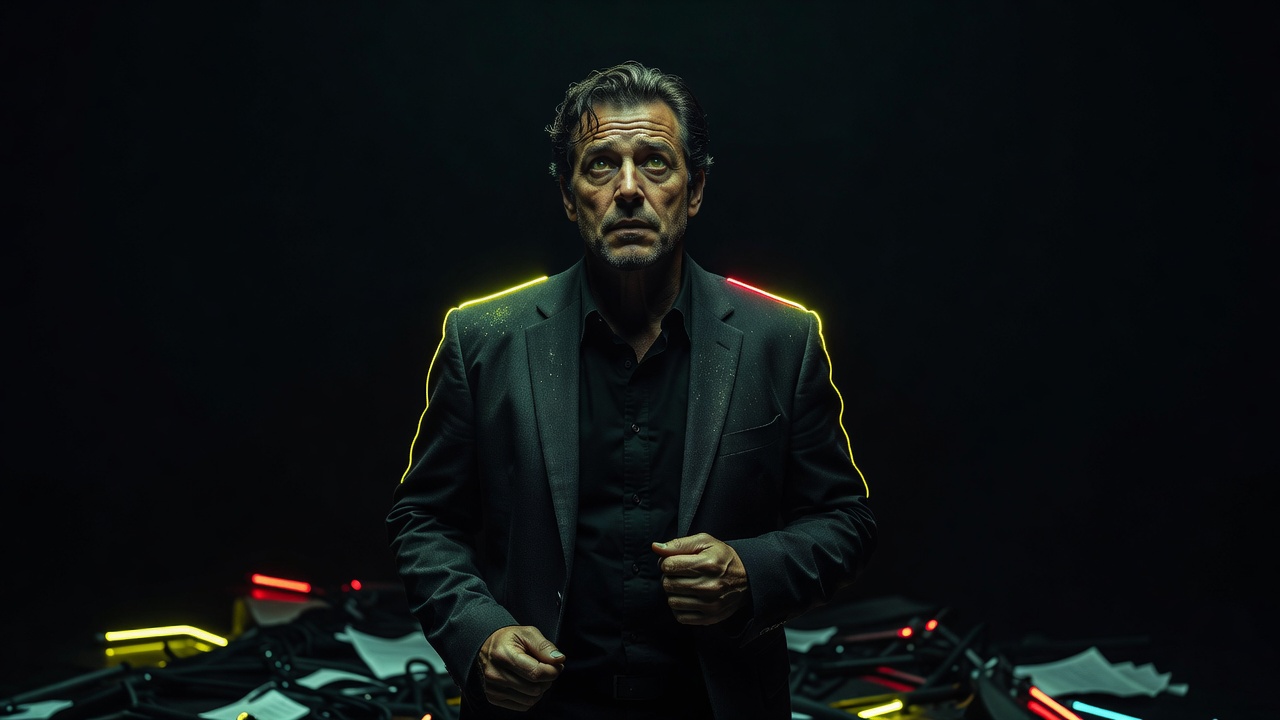
We are in a very strange place with Marvel Television when the most interesting thing about a new Vision show is not the concept, not the larger MCU plan, and definitely not the sacred "WandaVision trilogy" framing. It is the guy behind the camera.
Terry Matalas walked into Star Trek: Picard after two seasons of expensive nonsense and somehow managed to squeeze a watchable, fan-service-heavy, character-respecting final season out of the wreckage. Was it perfect? No. Was it loaded with nostalgia buttons? Absolutely. But it also understood something modern franchise television keeps forgetting: audiences usually want the characters they love treated like they matter.
That is why VisionQuest is interesting.
Not because Marvel has earned trust. It has not. Not because Agatha All Along made everyone desperate for chapter three of the "WandaVision trilogy." Please. But because Matalas has already shown he can take a busted franchise machine, dig through the parts, and find the thing fans still care about.
What happened
The VisionQuest trailer gives us a White Vision who is not whole. He has Vision's face, Vision's name, and the ghost of Vision's life, but not the moral center that made the character work.
That is a strong premise. Frankly, it is stronger than a lot of what Marvel has been trying to sell lately.
Vision was always one of the MCU's better philosophical characters, even when the movies did not have enough room for him. Age of Ultron gets mocked for plenty of fair reasons, but the Vision and Ultron material at the end still holds up. "A thing isn't beautiful because it lasts" remains one of the better lines in the entire franchise. That exchange had weight because it treated both characters as more than action figures in a sky beam.
The trailer seems to know that. We get Vision asking who he is, whether he is still a hero, and what it means to carry another man's name without his virtue. That is exactly the kind of territory this character should live in.
Then Marvel does what Marvel does.
Suddenly the house is full of familiar A.I. faces, old MCU callbacks, and what looks like a reunion lounge for every digital assistant Tony Stark ever spoke to. Jarvis, Friday, Ultron, the droids, the whole nostalgia buffet. And yes, James Spader as Ultron still has instant presence. The man can make a threat sound like a professor politely correcting your thesis.
The danger is obvious: this could either become a real character piece about identity, memory, family, guilt, and artificial life, or it could become another MCU cameo conveyor belt with feelings taped to the side.
Why Terry Matalas matters
Matalas matters because he seems to understand the difference between reverence and member berries.
Picard season three had plenty of nostalgia. Let's not pretend otherwise. But it also had a basic affection for the characters. It wanted to repair damage. It wanted to undo a few stupid choices. It wanted the audience to feel like somebody in the room remembered why people cared in the first place.
That is not a small thing anymore.
A lot of modern franchise writing treats continuity like a junk drawer. Pull something out, wave it at the audience, move on. The old thing is not respected. It is merely activated. The character appears, the music cue hits, social media claps for ten minutes, and then the story goes right back to being thin gruel.
Matalas at least has a track record of trying to make the old thing mean something.
That is why Marvel hiring him for VisionQuest feels like more than random corporate reshuffling. Kevin Feige is a Star Trek guy. He knows what Matalas did with Picard. He knows Marvel is sitting on a pile of broken toys after years of overextension, audience fatigue, Disney+ sludge, and "wait until the next project explains it" storytelling.
VisionQuest looks like a fix-it job.
The question is whether Marvel will let it be one.
The WandaVision problem
The trailer also reminds us that Marvel still seems oddly convinced WandaVision is some kind of sacred foundation stone.
WandaVision had moments. It had style. It had a mystery-box pull in the early going. But the MCU's attempts to turn it into a whole mini-saga have been exhausting. Agatha was never the natural "everyone demanded this" follow-up Marvel wanted us to pretend it was. The larger Scarlet Witch fallout has been messy. The family angle has been stretched across too many projects, too much multiverse logic, and too much "trust us, this will matter later" bookkeeping.
Now VisionQuest has to pick through that.
The trailer points back to Vision's family, his children, and the question of whether any of that was real. That can work if the show treats it as grief and identity. It can fail miserably if it treats the kids as puzzle pieces for the next Young Avengers spreadsheet.
That is where our optimism stays heavily conditional.
We do not need another Marvel show that exists to move plastic pieces around a corporate board. We need a story. Vision, of all characters, can support one. A synthetic man trying to understand whether inherited memory equals personhood is good science fiction. A dead husband wearing a living man's face and trying to decide if love can survive without continuity is good drama.
A breadcrumb hunt for future spin-offs is not.
Ultron is the wild card
Bringing Ultron back is either the smartest move in the show or the easiest way to bury it.
Ultron and Vision are connected in a way Marvel barely got to explore. One was Tony Stark's fear turned into a murder machine. The other was something closer to Tony's hope, or at least his better instinct, filtered through JARVIS, the Mind Stone, and a body meant for something else.
That contrast is still rich.
If VisionQuest lets Ultron get inside Vision's head, literally or figuratively, there is real meat there. Ultron is not just a villain to punch. He is the ugly answer to the same question Vision asks: what happens when intelligence is born from human failure?
Spader can sell that in his sleep. The writing has to meet him halfway.
And that is the recurring Marvel problem. The actors show up. The lore is there. The audience still remembers why this stuff used to work. Then the script decides to wink, quip, flatten the stakes, or flee into setup mode.
Matalas gives us a reason to hope the show might resist that instinct.
Final take
VisionQuest is not an automatic win. We have been burned too many times by Marvel trailers that understand the iconography better than the character.
But this one has a pulse.
Vision is a strong enough character to carry a thoughtful show. Ultron is a strong enough foil to bring real tension back. The old A.I. callbacks can be more than cheap applause if they are used to interrogate what Vision actually is. And Terry Matalas has already proved he can take a franchise that forgot its manners and at least remind it how to speak to fans again.
So yes, we are curious. Cautiously. Suspiciously. With one eyebrow raised.
Because if VisionQuest is Marvel admitting it needs someone to clean up the WandaVision aftermath, good. Admission is the first step. Now make the show.
Subscribe to Game Pilled: https://www.youtube.com/@GamePilledBlog
Join the Based New Wave!