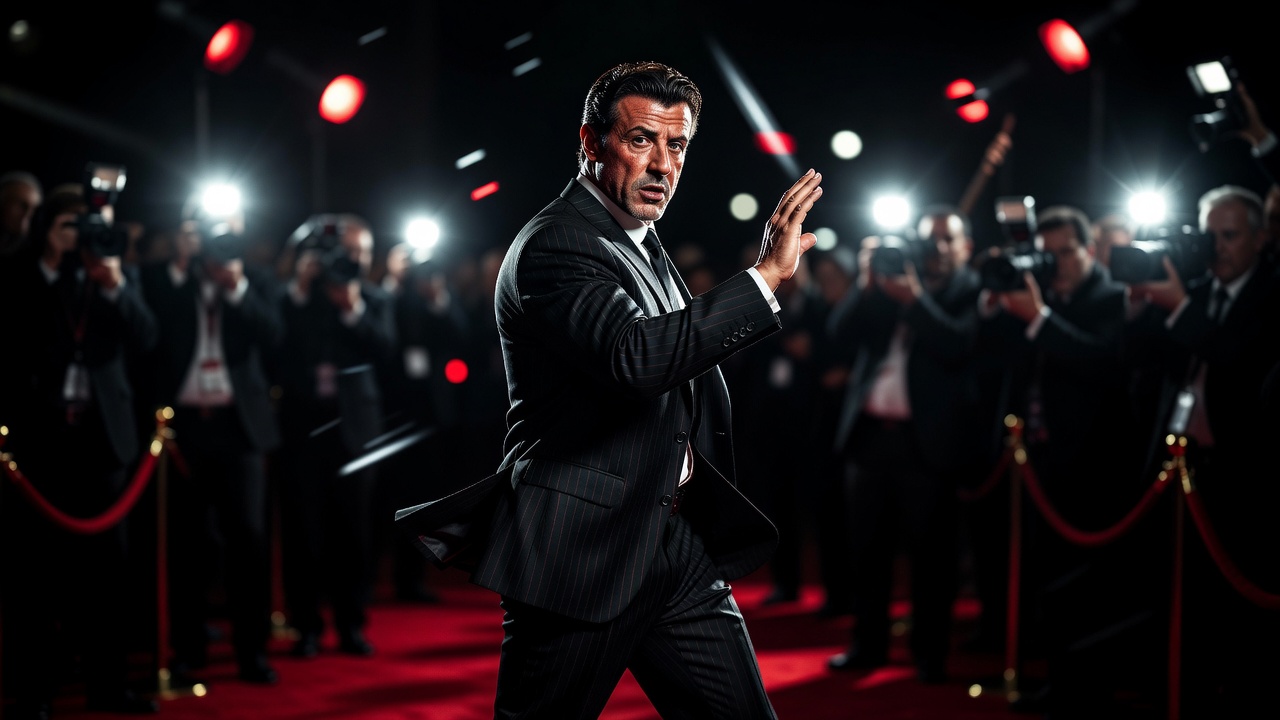
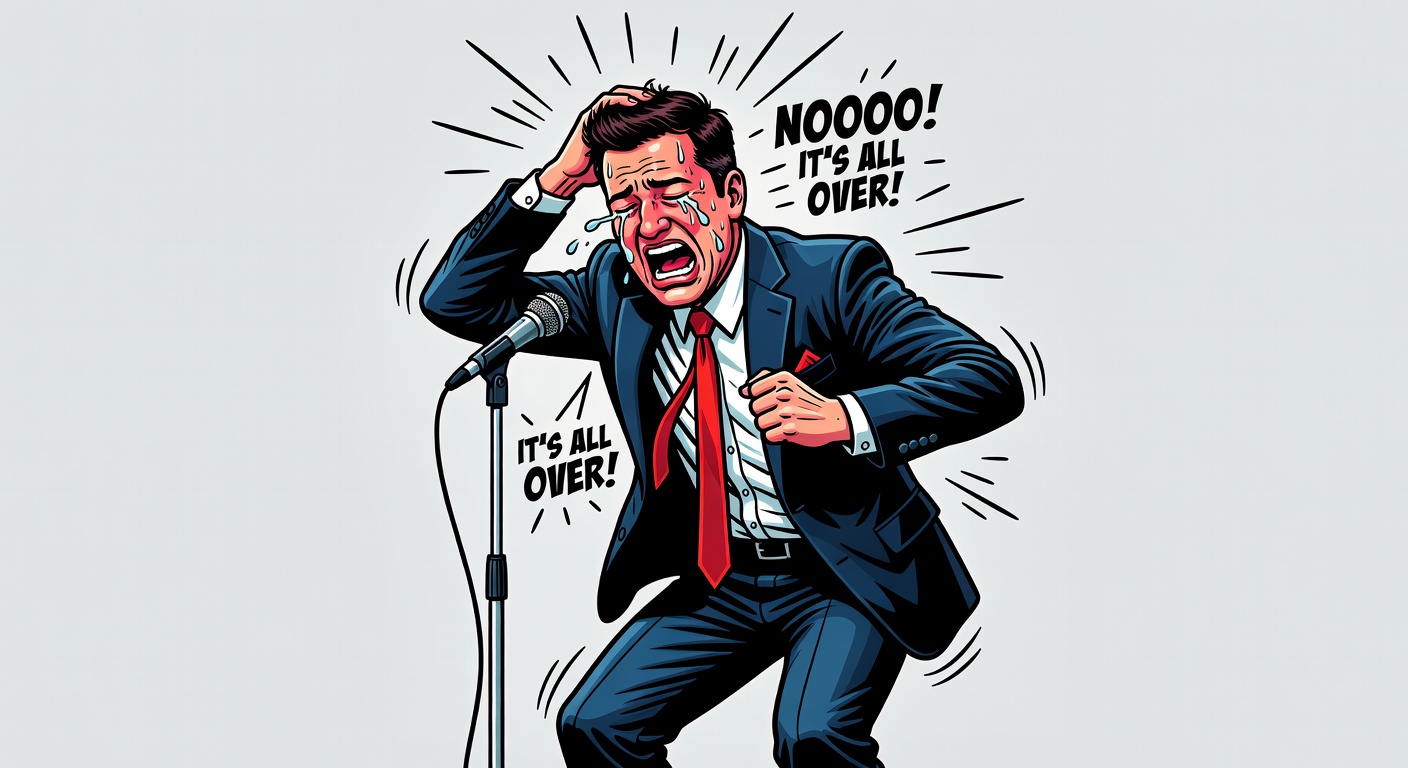
I’ve seen this movie before: the audience leaves, the insiders panic, and instead of asking why people tuned out, they accuse the public of sabotage. That’s exactly where we are now after the latest Oscars ratings slide, with one of late-night’s biggest personalities going emotional on stage and pinning the collapse on Trump, MAGA, and “boycotts.”
Let’s call this what it is: not analysis, but deflection.
What happened
The core fact is simple: the Oscars took another hit in viewership, down 9% year-over-year. That’s not a rounding error. That’s a warning light on the dashboard for an awards show that keeps trying to act like nothing fundamental has changed.
In response, we got a very public emotional plea: viewers were told to “set politics aside,” while at the same time being told that the ratings drop itself was driven by political enemies. That contradiction is the entire problem. You can’t ask for unity while calling half the country the villain in the same breath.
And when the argument drifts from “how do we make this show worth watching?” to “vote blue in the midterms,” you’re no longer defending cinema. You’re campaigning from a stage that used to be about craft.
Why it matters
This isn’t about one comedian having a rough moment. It’s about an industry reflex that keeps making the same mistake: treating audience rejection as moral failure instead of market feedback.
Most viewers don’t skip the Oscars because of a coordinated political operation. They skip it because the show feels long, self-congratulatory, and disconnected from what regular people actually enjoy. Add in years of preachy messaging and identity-first framing, and the trust gap gets wider every season.
When people say they’re exhausted, that’s not a coded message. It’s literal exhaustion. They want stories, performances, and genuine celebration of filmmaking—not a lecture wrapped in designer tuxedos.
The bigger pattern
Hollywood keeps confusing institutional approval with cultural relevance. Those are not the same thing.
For years, the business side pushed a top-down message about what audiences should value, while audiences quietly voted with their remotes. Now the bill is due. Ratings erosion isn’t random. It’s the cumulative effect of prestige platforms drifting away from viewers and then scolding them for leaving.
The more media personalities insist that disinterest is “extremism,” the more they reinforce the perception that they live in a bubble. That bubble is exactly what legacy TV and awards institutions can’t afford right now.
And yes, there’s a deeper strategic fear underneath all this: if appointment-viewing dies, these ceremonies become clip farms for social media instead of dominant live events. That fear is real. But blaming voters, viewers, or political tribes won’t reverse it.
Final take
If the Oscars want recovery, the playbook is obvious: less sermon, more cinema. Less partisan shadowboxing, more focus on films people actually care about. Less emotional blackmail, more accountability.
I’m not saying politics has no place in art. I’m saying audiences can smell when politics replaces art. That’s when they leave.
The 9% drop wasn’t caused by one politician, one voting bloc, or one online tribe. It was caused by years of creative and cultural drift—and a refusal to admit it.
Remember: when your first response to bad ratings is to attack the audience, you’re not solving the problem. You’re proving it.
Subscribe to Game Pilled: https://www.youtube.com/@GamePilledBlog
Join the Based New Wave!