If you want to know where Star Wars is in 2026, stop looking at the marketing and start looking at the panic.
The Mandalorian & Grogu was supposed to be the safe play. Familiar character. Familiar brand. Familiar creative team. Disney and Lucasfilm were betting that they could take a streaming-era asset, blow it up to feature length, and coast on recognition alone. Instead, the movie is being branded a box office disaster, and the reaction coming out of the Disney camp has only made it look worse.
What caught my attention wasn't just the weak theatrical performance. It was the meltdown around the coverage.
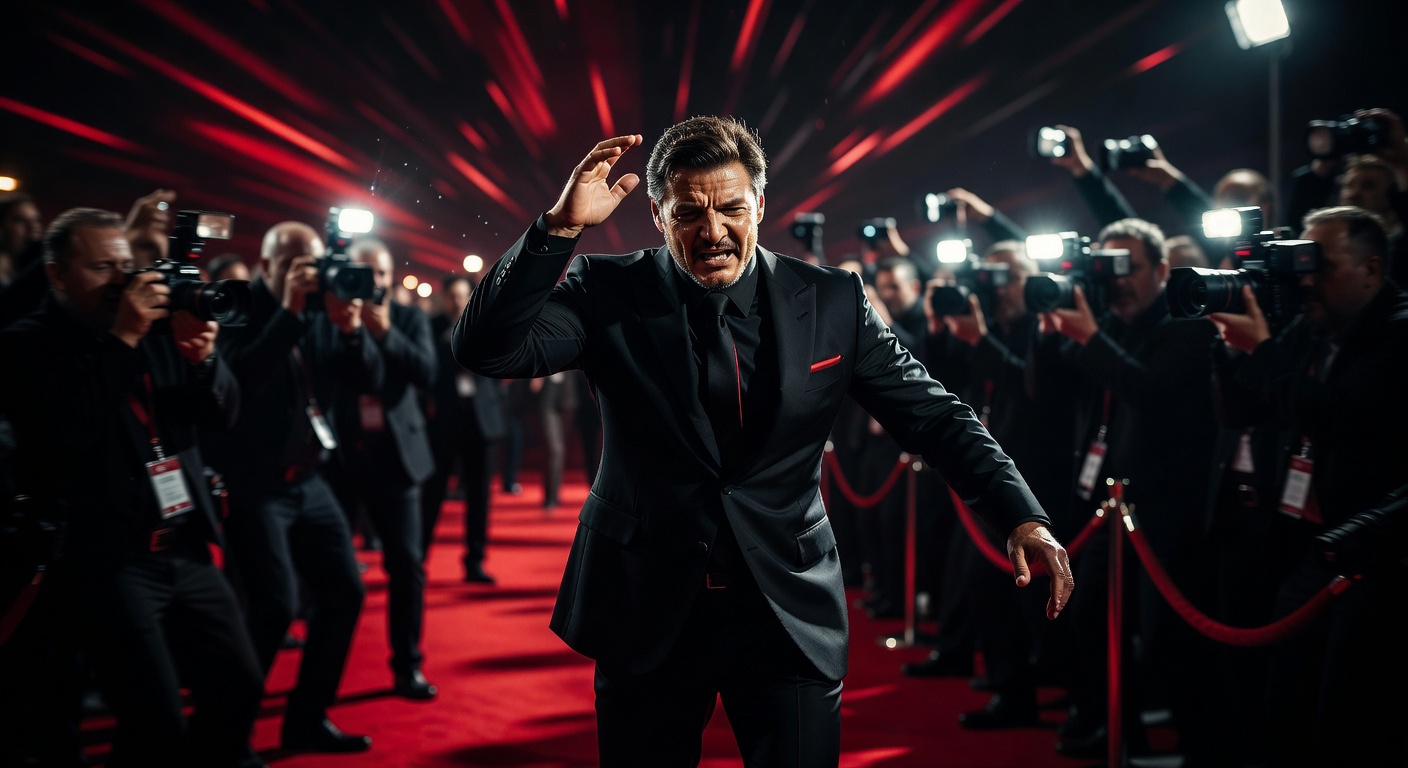
Based on the transcript provided here, Pedro Pascal is now pushing back against the trades and against audiences celebrating the film's stumble, framing the backlash as politically driven and tied to Trump supporters or the broader MAGA crowd. If that transcript reflects his remarks accurately, then this is exactly the kind of response that tells you the people behind the movie know they have a real problem.
Because when a movie is working, nobody needs to explain away the numbers.
When a movie is connecting, audiences do the talking for you. You don't need to scold critics, accuse the media of bad faith, or imply that viewers rooting against the film are motivated by politics. You especially don't do that while the box office story is still getting worse by the day.
That's the part Disney still doesn't understand. Audiences don't reject a film because they were hypnotized by a political tribe. Sometimes they reject it because the movie looks flat, feels safe, and plays like repackaged leftovers from television.
And that's the larger issue with The Mandalorian & Grogu. The criticism isn't hard to understand. The movie has been described as bland, low-stakes, and stitched together like a handful of mediocre streaming episodes pretending to be an event film. That's death for a franchise picture. Star Wars used to sell scale, myth, and cinematic momentum. If the audience walks away feeling like they paid theatrical prices for a Disney+ side quest, the brand has a problem no spin can fix.
The instinct inside modern Disney is always the same: blame the climate, blame the discourse, blame the "wrong" audience, blame politics. Anything but the product.
That instinct is poison.
If Josh D'Amaro and the rest of Disney leadership are really slipping into damage-control mode while top talent lashes out at the public, then they are only proving what critics have been saying for years: this company has become far better at messaging than storytelling. And messaging doesn't save movies. It just gives executives and celebrities a place to hide while the numbers come in.
The audience is not obligated to protect a studio's feelings. They're not required to pretend a movie is winning when it isn't. And they definitely aren't required to accept being insulted every time they reject a franchise installment that doesn't deliver.
That's why this matters beyond one weekend or one headline. This is no longer just about one underperforming Star Wars movie. It's about a studio culture that still thinks narrative control can overpower audience reality.
It can't.
If The Mandalorian & Grogu is falling short, the answer isn't to sneer at the public or wage war on the trades. The answer is to make a better movie next time.
Right now, Disney looks less interested in hearing that than ever.