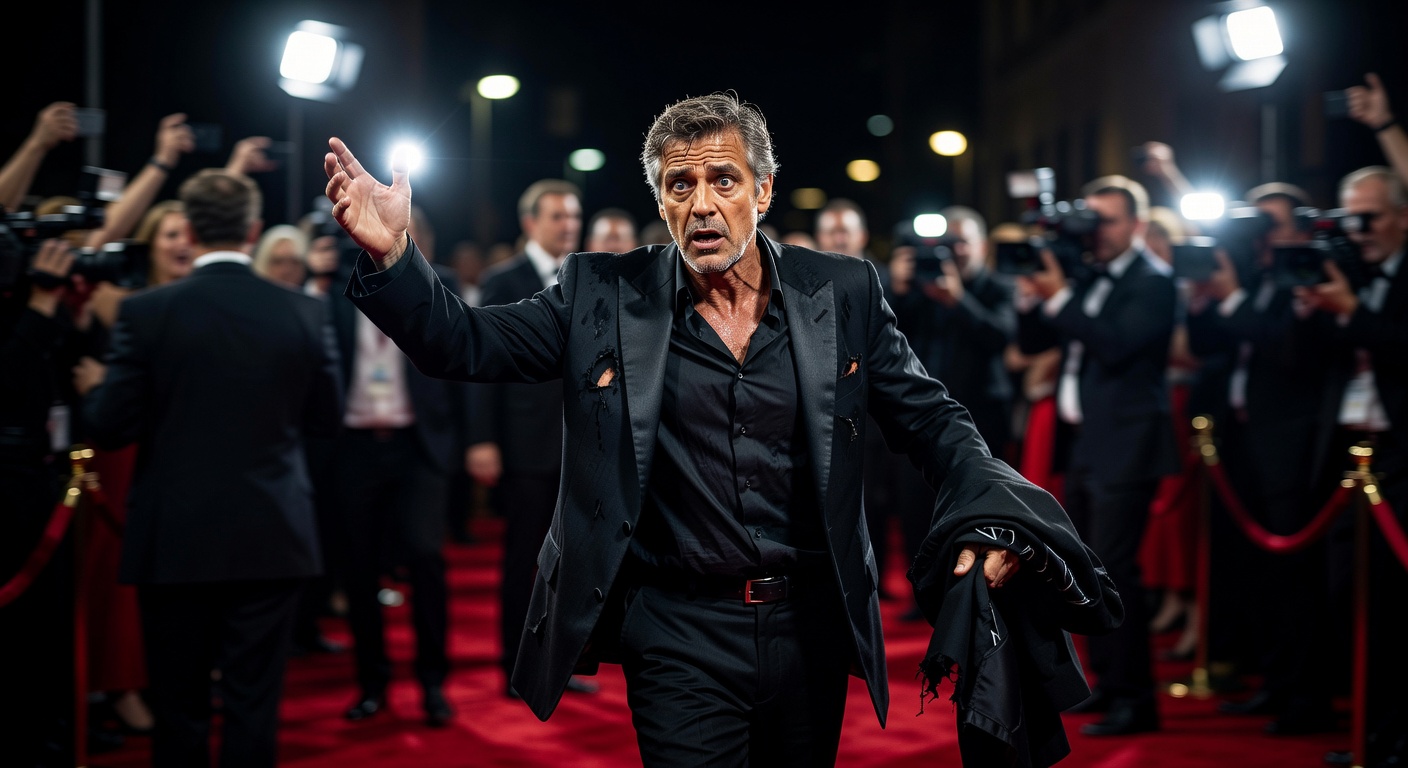
I’ve seen this cycle too many times: numbers drop, panic sets in, and suddenly the industry decides the audience is the problem. After this year’s Oscars reportedly slid another 9%, the reaction from parts of Hollywood wasn’t reflection — it was accusation.
And now George Clooney has stepped into that same pattern with comments blaming Trump, MAGA voters, and “uneducated” Americans for the decline. Whether you agree with his politics or not, that framing misses the real story by a mile.
What happened
The core fact is simple: the Oscars audience declined again. If the reported 9% drop holds, that’s a serious signal for an event that was already fighting for relevance in the streaming era.
In response, several big-name celebrities have framed the decline as politically driven — less a content problem, less a format problem, more a voter-identity problem. Clooney’s remarks, as circulated, push that argument hard: that a politically motivated boycott culture is choking the awards ecosystem and damaging the arts.
That is a dramatic claim. But dramatic claims still need evidence.
So far, what we can clearly observe is this: ratings are down, audience habits have changed, and trust between legacy entertainment institutions and the public is weaker than it used to be. That doesn’t automatically equal a coordinated political operation. It could just mean people aren’t interested anymore.
Why it matters
When Hollywood elites explain away audience rejection as ignorance, they don’t just lose viewers — they lose legitimacy.
I’m not saying politics has zero effect. Of course politics touches culture. But there’s a difference between “politics is one factor” and “this happened because the wrong people watched less TV.” One is analysis. The other is blame-shifting.
And let’s be honest: calling regular Americans “uneducated” because they don’t consume media the way celebrities want them to is exactly how you alienate the middle of the country in real time.
If your event is compelling, people show up. If it feels stale, preachy, or disconnected from daily life, they don’t. That’s not sabotage. That’s market feedback.
The bigger pattern
This isn’t just about one actor or one bad quote cycle. It’s a broader collapse in cultural authority.
For years, award shows were sold as essential viewing — a shared national moment. That era is over. Attention is fragmented. People have alternatives. Audiences now live across creator platforms, independent film channels, niche communities, and on-demand ecosystems that don’t need legacy gatekeepers.
Meanwhile, old institutions keep acting like they still own the microphone.
They don’t.
When the response to criticism is moral scolding instead of reinvention, decline accelerates. When the response to disinterest is “you people are the problem,” decline accelerates faster.
That’s why these comments matter. They reveal an industry mindset that still confuses prestige with relevance.
Final take
If Hollywood wants to reverse this slide, the fix is not more political finger-pointing. It’s better shows, better storytelling, and a lot less contempt for the audience.
I’ll say it plainly: viewers didn’t abandon the Oscars because they were hypnotized by a conspiracy. They left because the product keeps feeling outdated, self-congratulatory, and disconnected from what people actually want.
You can blame Trump. You can blame voters. You can blame social media. But none of that rebuilds trust, and none of it puts people back in front of the TV.
The audience is speaking with its time. Hollywood should start listening.
Subscribe to Game Pilled: https://www.youtube.com/@GamePilledBlog
Join the Based New Wave!