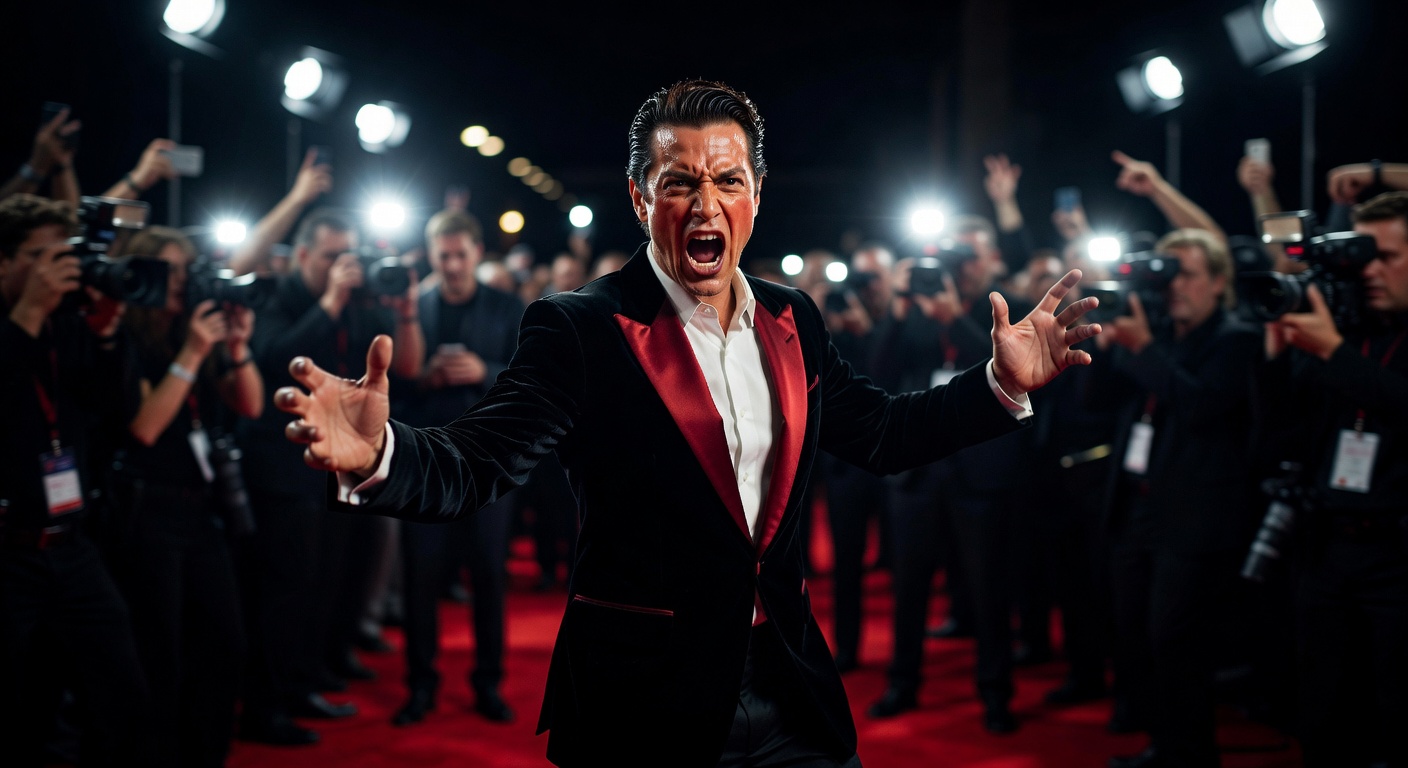
If Hollywood wants to know why audiences have checked out, it should start here: too many stars still think the problem is the public.
Over the last few years, a pattern has hardened in plain sight. A celebrity goes political, treats disagreement like moral failure, watches the backlash build, and then acts stunned when a studio decides the drama is no longer worth the risk. Instead of dialing it back, they double down. Instead of taking responsibility, they blame "Trump supporters," "MAGA," or the audience itself.
That is the real story now.
According to comments and reactions circulating around a new wave of cancelled or stalled projects, names like Rachel Zegler, John Leguizamo, and George Clooney are once again being pulled into the same argument: if their careers hit turbulence, it must be because the public is intolerant. I do not buy that for a second.
The audience is not the villain
John Leguizamo's reported response was a perfect example of the problem. The tone was not reflective. It was angry, self-righteous, and openly contemptuous of people who do not vote the way he wants. That is not courage. That is entitlement.
Rachel Zegler, meanwhile, has become a symbol of a larger Hollywood habit: torch the goodwill around a legacy property, then act like criticism is abuse. If a studio gets nervous after that, it is not fascism. It is business. Studios exist to make money, and stars who keep turning every release into a political loyalty test are becoming expensive liabilities.
Then there is George Clooney, who still seems to believe audiences owe celebrities a respectful hearing no matter how smug or insulting the messaging gets. They do not. Moviegoers are customers, not political hostages.
This is what consequences look like
What has changed is not that celebrities suddenly became political. Hollywood has always leaned that way. What changed is that some studios appear less willing to absorb the damage.
That matters.
For years, executives tolerated behavior that alienated paying customers because they assumed the audience would keep showing up anyway. Now that assumption looks broken. Box office pressure is real. Industry job losses are real. Franchise fatigue is real. In that environment, attaching a project to a star who brings nonstop ideological baggage starts to look reckless.
And when that project gets cancelled, the easiest excuse is to say the mob came for them. But that dodge is wearing thin. If you repeatedly insult half the country, mock your own fans, and turn every press cycle into a culture war sermon, eventually the bill comes due.
Hollywood still does not want to admit the obvious
The most revealing part of this whole mess is how rare a real apology has become. Not the polished PR version. A real one. Something simple: I went too far. I misread the room. I hurt the project. I hurt the audience relationship.
We almost never get that.
Instead, we get performers framing themselves as victims while everyone else pays the price: the studio, the crew, the brand, and the fans who just wanted to enjoy a movie without being lectured.
That is why this moment feels different. The cancellations are one story. The comments afterward may be the bigger one. They show that a lot of Hollywood still has not learned a thing.
If these stars keep treating the public like the enemy, more projects will fall apart, and they will have nobody to blame but themselves.
Music in the intro and outro by Mike Zeroh.
Animated intro designed by w0r3xDCze.