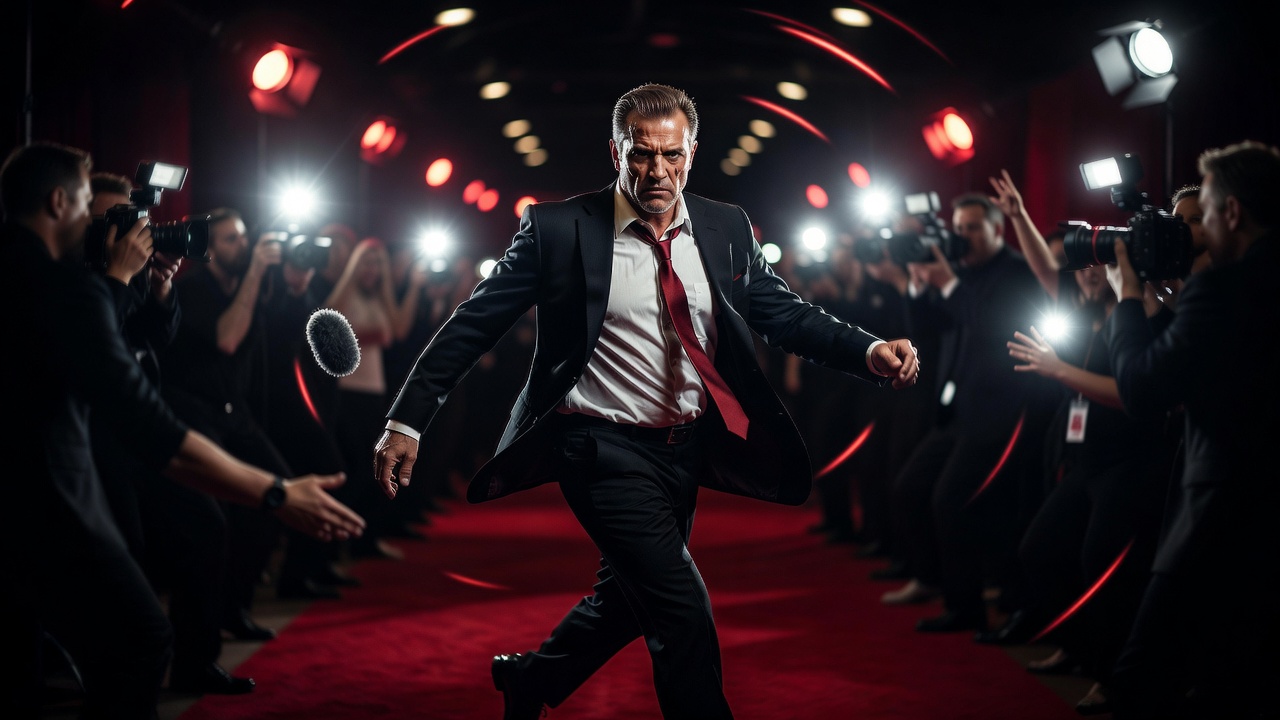
If you want to understand the current state of American celebrity politics, you could do a lot worse than looking at the fallout from UFC Freedom 250.
On Sunday, June 14, 2026, the UFC really did stage a card on the South Lawn of the White House as part of the America 250 celebration. That much is not rumor, spin, or internet fan fiction. It happened. It was enormous. It was surreal. And it instantly turned into a political Rorschach test. UFC promoted the event directly, and TIME covered the spectacle the next day.
That alone was enough to send half the culture machine into convulsions.
Then came the uglier part. Fighter Josh Hokit used his post-fight moment to push a false and ugly attack on Michelle Obama, a remark that drew immediate backlash and wider condemnation. That part is also real, and it is worth saying plainly: the comment was trash. It deserved backlash. The Washington Post and The Guardian both treated it as a serious story because it was one.
But here is the thing I keep coming back to: in the hours after that moment, the internet did what it always does now. It started manufacturing a second story on top of the first one.
That is where Mel Gibson enters the frame.
A bunch of viral commentary accounts and transcript-driven channels are now circulating quotes allegedly from Gibson, framing him as the one guy in Hollywood willing to call out the industry's hypocrisy over the White House UFC event. The problem is simple: as of June 16, 2026, I cannot find reliable reporting that Gibson actually made the specific remarks now being passed around as fact.
And that matters.
Because the real story is already strong enough without fake quote inflation. You do not need to invent a Mel Gibson monologue to see the deeper pattern here. The same celebrity class that loves using the White House lawn as a stage for approved causes suddenly treats a UFC event there like the republic has collapsed. That double standard is obvious even before anonymous quote graphics and rage-bait narration get involved.
My issue is not that people hated the event. Fine. Hate it. Call it tacky. Call it vulgar. Call it a bad use of presidential symbolism. That is a coherent position.
What gets old is the automatic moral sorting. If the event flatters the right tribe, it is historic and joyful. If it flatters the wrong tribe, it is proof America is diseased. That is not principle. That is branding.
At the same time, the right does itself no favors when it glues a valid critique of Hollywood snobbery to dumb, defamatory sideshows. The Hokit comment poisoned the conversation. And the rush to staple unverified Gibson quotes onto the backlash tells you a lot about how online outrage works now. Nobody wants to argue from the event itself. They want avatars. Villains. Folk heroes. A meme-ready script.
That is why this whole thing feels bigger than one bizarre fight night.
The White House UFC card was real. The backlash was real. The Hokit controversy was real. The Mel Gibson “loses it” speech now ricocheting across the internet looks a lot less solid.
In other words, the most honest takeaway here is also the least glamorous one: the event exposed Hollywood's reflexive snobbery, but the online machine is still so addicted to viral mythology that it cannot resist making the story stupider than it already is.
That, more than anything, is the American entertainment system in 2026.
⚠️ 🛠️ print lines 1-220 from memory/2026-06-16.md (agent) failed