
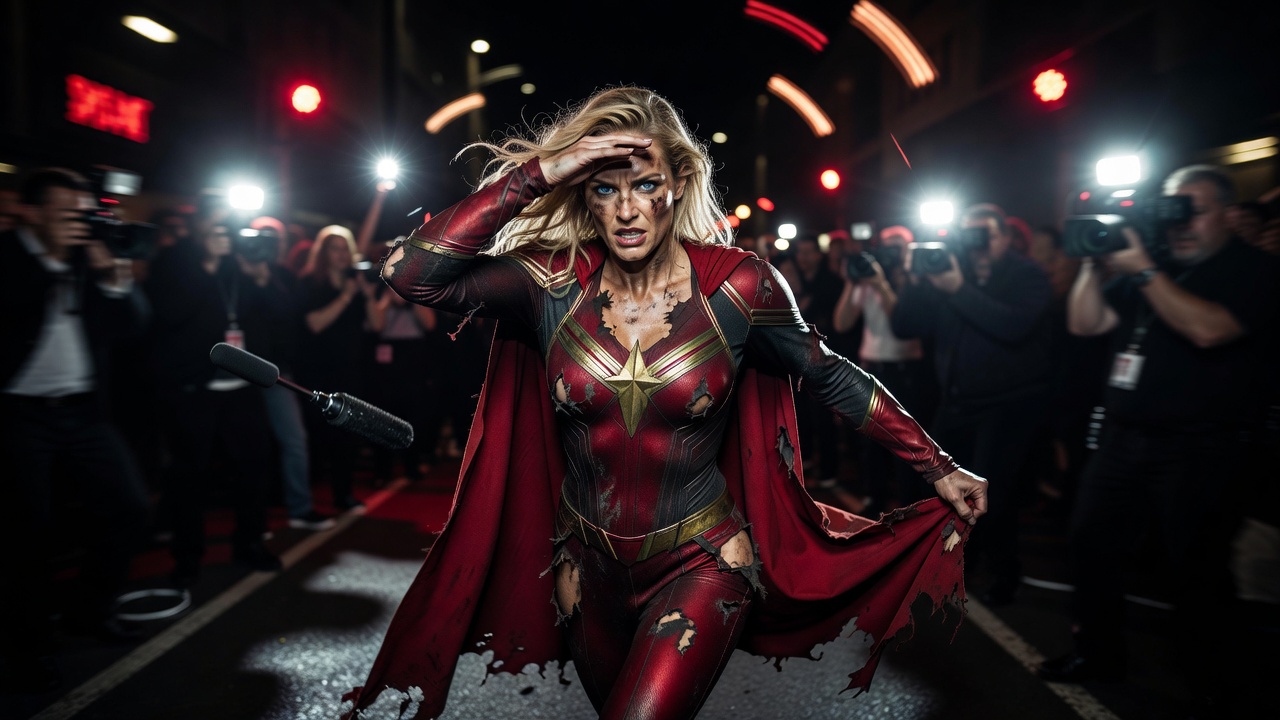
I’m going to say this carefully: when a franchise starts spending more time arguing with the audience than exciting the audience, the problem is usually bigger than one movie.
That’s why the latest wave of Supergirl discourse feels so ugly for DC Studios and James Gunn. Whether you want to call it backlash, fan revolt, or just a growing loss of confidence, the vibe around this project has clearly shifted. Instead of momentum, DC keeps finding itself trapped in explanation mode. Instead of building anticipation for what comes next, the studio looks like it’s defending choices that fans never fully bought into in the first place.
And that is the real story here.
A lot of the online conversation now centers on Milly Alcock, Ana Nogueira, and what Supergirl could mean for the future shape of the DCU. I’m not going to pretend every viral quote, rumor, or reposted claim floating around social media is automatically confirmed fact. But even without taking every single claim literally, the reaction tells you something important: people are worried that DC is heading deeper into a creative direction they already don’t trust.
That matters.
Because once fans start believing the studio is more interested in messaging than mythmaking, the damage spreads fast. It doesn’t stay contained to one release. It bleeds into the next Superman story, the next casting choice, the next spinoff, the next promise that “everything is connected.” Suddenly every new announcement feels less like an event and more like another test.
That’s where Man of Tomorrow becomes the real pressure point.
If audiences come away with the impression that Superman is being diluted inside his own world, or that Kara is being positioned through corporate commentary instead of strong character writing, then the problem is not “toxic fans.” The problem is creative trust. Fans will accept bold swings. They will accept reinterpretation. What they won’t accept is the feeling that iconic characters are being used to make a point instead of tell a great story.
And if Wonder Woman ends up carrying the same tone, same writing instincts, and same lecture-heavy energy that critics already say they’re seeing in Supergirl, then DC is walking straight into another wall.
That’s the danger of franchise speed-running.
Right now, DC does not look patient. It looks rushed. It looks like a studio trying to force a cinematic universe into existence by stacking projects on the conveyor belt and hoping volume creates legitimacy. But volume is not vision. Releasing more titles does not fix weak audience confidence. It just multiplies the places where disappointment can spread.
What Warner Bros. should be doing right now is brutally simple: slow down, stop the spin, and make sure the next film actually gives fans a reason to believe again.
Because if the answer to every criticism is “the audience is the problem,” then DC is learning absolutely nothing.
And that’s the worst news of all.
Game Pilled is going to keep watching this closely, because what happens next with Man of Tomorrow, Wonder Woman, and the larger Gunn-era DCU may decide whether this franchise has a comeback in it, or whether Supergirl becomes the moment people look back on and say: that was the warning sign.
If you want my honest take, DC doesn’t need more excuses right now.
It needs a win.