Full livestream: https://youtu.be/bZhILixB5EE
The script writes itself at this point.
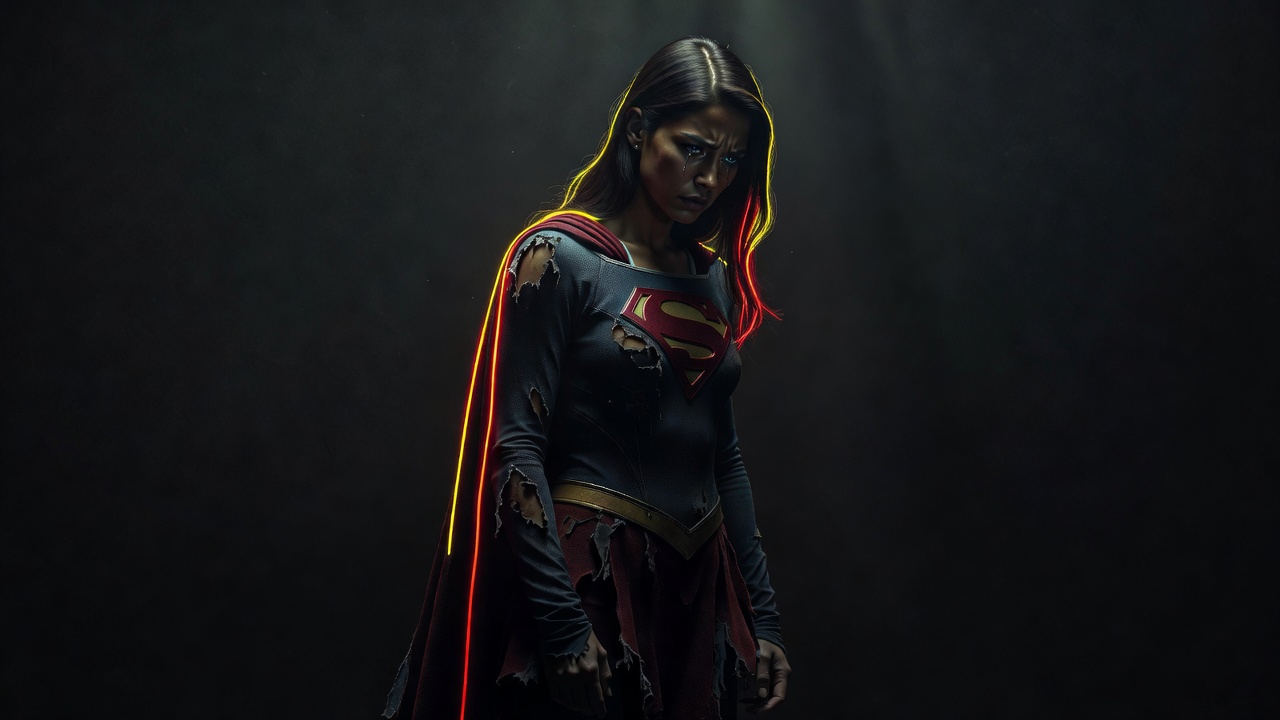
A superhero movie underperforms, critics and access media panic, and within 48 hours somebody in a legacy outlet decides the real villain is not the bad writing, not the flat directing, not the ugly visuals, not the identity-first marketing, but the audience. Again. This time the New York Times is floating the idea that Supergirl stumbled because of misogyny in the fanbase.
Sure. Of course. Why not.
That excuse has become the media’s emotional support blanket. They drag it out every time a studio rolls out another expensive dud and the public shrugs. We are supposed to believe millions of people looked at Supergirl, saw the marketing, heard the buzz, saw the reviews, and all independently decided, “No thanks,” because they are secretly organizing around a hatred of women. Not because the movie looked bad. Not because the character was mishandled. Not because people are exhausted by cynical studio slop. No, no. It must be sexism.
That’s the laziest possible read, and everybody knows it.
The funniest part is that they already know the movie had problems
Even the people pushing the misogyny angle cannot help admitting the obvious. The reviews were weak. Audience reaction was weak. Pre-release expectations were already getting trimmed down. The energy around the movie felt dead on arrival. Those are not mysterious signs. That is the market telling you your product did not connect.
And yet the takeaway from certain corners of the press is still: “Maybe the fans are the problem.”
Maybe not.
Maybe people just did not want this version of Supergirl.
Maybe they are tired of studios using beloved characters as raw material for somebody else’s ideology, therapy session, or irony-poisoned rewrite.
Maybe they wanted a hero and got another deconstruction.
Maybe they wanted aspirational and got smirking, messy, self-conscious anti-hero sludge.
Maybe they can smell when a movie has contempt for its own audience.
That is not misogyny. That is pattern recognition.
Fans have seen this movie before, even when it had a different title
This is the part access media never seems to understand. Audiences are not reacting in a vacuum. They have memory. They have instincts. They have been trained by a decade of bait-and-switch garbage.
When the same people who ruined one franchise pop up to explain another one to us, we notice. When every criticism gets pre-labeled as toxic before release, we notice. When the marketing feels defensive, when the interviews feel hostile, when the message around the movie sounds more interested in scolding fans than exciting them, we notice.
Then the film comes out, it underperforms, and suddenly the press acts shocked that people were not enthusiastic.
Come on.
A lot of this really is as simple as audiences learning the patterns faster than the trades and newspapers do. We have watched this cycle repeat with Marvel, Star Wars, prestige fantasy TV, and every other once-safe franchise that got handed over to people who think fan loyalty is a resource to be burned.
So yes, when people said Supergirl looked like trouble early, that was not witchcraft. It was not review bombing. It was not a secret cabal of evil nerds. It was experience.
The “misogyny” shield is especially stupid because female-led hits already exist
If audiences automatically rejected women, Wonder Woman would not have hit. Plenty of female-led action movies and genre projects have worked before. The public is not allergic to women. The public is allergic to bad movies, smug messaging, and fake empowerment written by people who do not understand heroism.
That distinction matters.
Hollywood keeps acting like the mere presence of a woman on screen should override every other criticism. It should not. If the character is badly written, fans will say so. If the performance does not land, fans will say so. If the story turns an iconic heroine into a shallow mess because the filmmakers think “subversion” is the same thing as depth, fans will definitely say so.
That is called criticism. It used to be allowed.
Instead, we get this ridiculous bait-and-switch where the studio wants all the praise for “representation,” but none of the accountability when the movie falls apart. Suddenly the audience is on trial for not supporting the “right” product.
No. Make a better movie.
What they really hate is that the audience built its own media ecosystem
This is where it gets interesting.
The old gatekeepers used to control the narrative. If they decided a movie was important, brave, necessary, or historic, that was supposed to be enough. If fans disagreed, the disagreement could be minimized or filtered through a few approved channels.
That world is gone.
Now the audience has YouTube. The audience has livestreams. The audience has creators who are faster, funnier, and far more willing to say the obvious thing out loud. That drives access media insane, because every time they blame “toxic fandom,” they are not just insulting a few trolls on Twitter. They are insulting the same broad public that used to read them, trust them, and treat them as cultural referees.
Brilliant strategy.
Keep telling regular people they are evil for noticing a movie looks bad. Keep telling fans they are broken for caring about characters being misrepresented. Keep telling customers their refusal to clap on command is proof of moral failure. See how that works out.
Actually, we already know how it works out. It creates competition. It creates distrust. It creates a whole parallel entertainment conversation where the audience no longer waits for permission from legacy outlets before forming an opinion.
And then those outlets wonder why their influence keeps shrinking.
Blaming fans is not analysis. It is an admission of failure
That is the part we keep coming back to.
When a movie flops and the first instinct is to accuse the audience, what the studio-adjacent press is really saying is: we have no honest explanation we are willing to print. We do not want to say the writing was weak. We do not want to say the character work was bad. We do not want to say the filmmakers misunderstood the property. We do not want to say the public is bored of being lectured. So we reach for the safest approved excuse left in the drawer.
Misogyny.
It is predictable. It is stale. And at this point, it is funny.
Because every time they do it, they prove the audience right all over again.
If Supergirl failed, it did not fail because fans were too sexist to handle a woman in the lead. It failed because Hollywood keeps confusing identity with quality, messaging with storytelling, and criticism with hate.
They can keep blaming the fans if they want.
We will keep noticing the pattern.
Supergirl #JamesGunn #DC
⚠️ 🛠️ print lines 1-220 from ~/.openclaw/workspace-penzi/memory/2026-06-29.md (agent) failed