
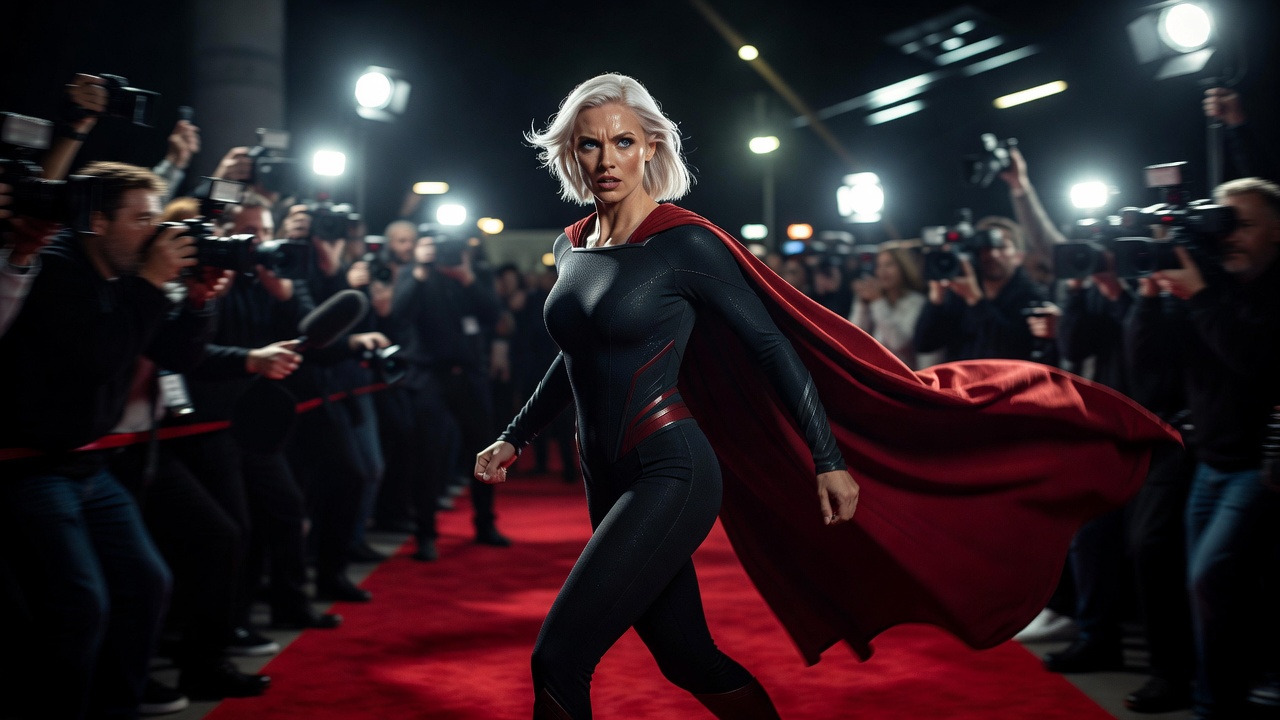
July 28, 2026. The digital release of Supergirl is here, the theatrical run already looks ugly, and now the post-release damage control is starting to feel just as revealing as the movie itself.
Today was supposed to be one of those easy reset moments for Warner Bros. and DC Studios. The movie hits digital, the studio gets a second shot at monetizing the audience that skipped theaters, and the conversation shifts from box office embarrassment to “maybe it finds a second life at home.”
That is not what this looks like.
What I’m seeing instead is a movie that already limped through theaters now arriving on digital with none of the momentum you’d want if you were trying to sell the idea that the James Gunn DCU is stable, healthy, and building toward something bigger. When a major comic book movie gets rushed to premium digital this fast, it usually does not signal confidence. It signals triage.
To be fair, the July 28 digital release itself is real and widely reported. What is not clearly verified, at least from any credible trade or mainstream reporting I could find, is the more explosive online chatter about screenwriter Ana Nogueira supposedly going scorched-earth on fans, critics, and the trades over the film’s early digital performance. There is plenty of online noise. There is plenty of blame-shifting discourse. But if people are circulating dramatic quotes as settled fact, I’d slow down before treating them as confirmed.
That said, the broader pattern is hard to miss.
Whenever a movie underperforms this badly, the instinct in Hollywood is almost never introspection first. It is deflection first. The conversation turns into audience blame, critic blame, algorithm blame, franchise fatigue blame, toxic fandom blame, sexism blame, anything except the one thing that matters most: was the movie any good, and did people actually want to pay for it?
That is where Supergirl has a real problem.
I don’t buy the idea that viewers rejected this movie because they are somehow afraid of a female-led superhero film. That excuse is getting old. People will show up for a female lead if the story is strong, the character feels compelling, and the movie gives them a reason to care. The problem here, from everything surrounding this release, looks a lot more basic and a lot more damaging: weak word of mouth, a messy creative identity, and a version of Kara Zor-El that clearly did not connect the way DC needed her to.
And that matters beyond one movie.
Because this is not just a random mid-budget miss buried in the release calendar. This is part of the new DCU. This is supposed to be evidence that James Gunn’s long game is working. If Supergirl can’t hold theaters and can’t generate real excitement for digital, then the confidence campaign around this universe starts looking a lot more manufactured than organic.
That is why every bit of fallout matters right now. Every defensive interview. Every social post. Every attempt to reframe criticism as moral failure instead of audience rejection. It all reads like a studio trying to control the narrative after losing control of the product.
And if Ana Nogueira really is still central to future DC projects like Wonder Woman and Teen Titans, then Warner Bros. has a bigger issue than one bad release window. It has a credibility problem. Because once audiences decide they do not trust your creative judgment, selling the next chapter gets a whole lot harder.
That is the real story to me today.
Not just that Supergirl hit digital on July 28, 2026. Not just that the theatrical run already left bruises. It is that the supposed future of the DCU keeps asking the audience for patience while giving them fewer and fewer reasons to believe.
And in this business, once belief collapses, everything else tends to go with it.
⚠️ 🛠️ print lines 1-220 from memory/2026-07-28.md (agent) failed