There is a very funny excuse making the rounds whenever another modern franchise faceplants: blame the YouTubers, blame the critics, blame the angry fans, blame the internet. Anybody but the people who actually made the thing. Anybody but the executives who greenlit it, the producers who pushed it, and the creatives who mistook condescension for vision.
That dodge gets even funnier when the numbers are this ugly.
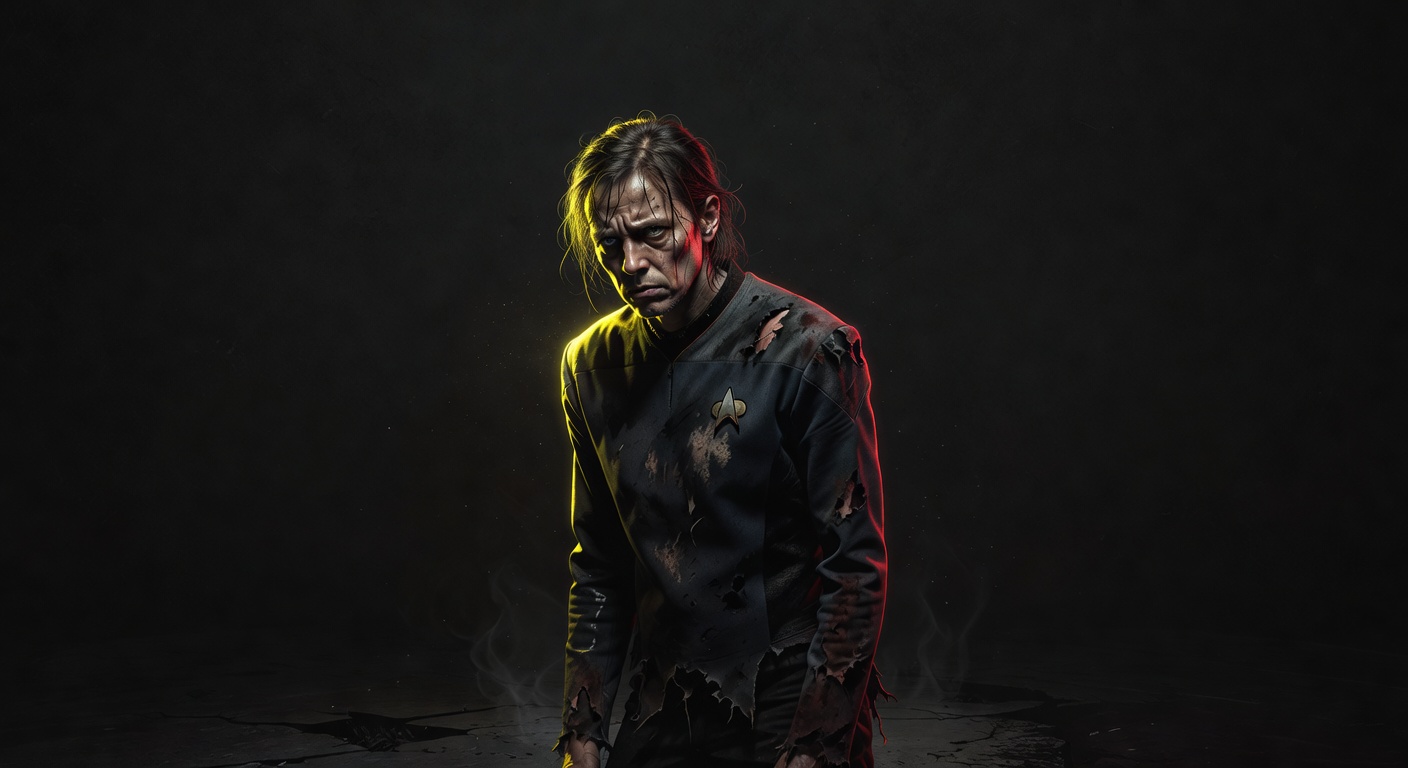
Starfleet Academy did not run into a wall because some loud people on the internet were mean. It ran into a wall because the pitch looked wrong, the tone looked wrong, the setting looked wrong, and normal viewers could smell that from a mile away. On top of that, the rumored shelving of a separate Robert Picardo project only makes the bigger point. The people steering modern Star Trek keep choosing the wrong road, then acting shocked when it leads off a cliff.
What happened
The immediate story is simple enough. The giant academy sets are reportedly being dismantled, and the show that was supposed to represent the future of the franchise suddenly looks like another expensive cautionary tale. For a project sold as a major pillar of the brand, that is a brutal image all by itself. If the future of Star Trek is being taken apart piece by piece before the audience ever truly embraces it, that tells you everything.
And the production design did not help. What fans saw did not look like a disciplined, aspirational science fiction world. It looked oversized, glossy, and weirdly hollow, like a shopping mall trying to cosplay as the Federation. Bigger is not better if the space has no soul. You can spend a fortune on scale and still end up with something that feels cheap in the ways that matter.
That matters because first impressions decide whether people even give a show a chance. If the promotional material screams “brand management committee” instead of “bold sci-fi adventure,” you have already lost a huge chunk of the crowd.
Why the “blame the YouTubers” line is so dumb
This is where the establishment lie kicks in.
When fans warn that a show looks terrible, they are dismissed as a tiny, irrelevant minority. They are told their opinions do not matter, their wallets do not matter, and the franchise is moving on without them. But when the same show underperforms, suddenly those same people become an all-powerful online mob capable of destroying billion-dollar entertainment products by sheer force of negativity.
Pick one.
Either the critics were meaningless, or they were accurately describing a problem the audience could already see. The truth is obvious. Commentary channels did not create the bad marketing. They did not write the dialogue. They did not build a series around the same smug, synthetic tone that has poisoned so much of this era. They did not make viewers stay away. They noticed the rot early, and then the audience confirmed it.
That is not sabotage. That is pattern recognition.
The real reason this fell apart
Modern franchise management keeps making the same fatal assumption: that fans are interchangeable, loyalty is automatic, and story can be replaced with messaging, branding, and superficial identity signaling. It cannot.
People do not show up because a legacy logo is slapped on a product. They show up because the thing feels true to itself. They show up because the world has internal logic, the characters act like believable people, and the writers are trying to build something worth caring about.
Too much of current Star Trek has felt like it was built in reverse. Instead of asking what kind of story fits the universe, the people in charge seem to ask what kind of agenda, posture, or corporate value statement they want to paste onto it, then they force the world to bend around that choice. That is how you get shows that wear the skin of a beloved franchise while draining out the spirit.
Fans notice. Casual viewers notice. Even people who cannot explain it in detail can tell when a series feels manufactured.
The Robert Picardo angle makes it worse
The reported shelving of a Robert Picardo-led spinoff is the twist that really stings, because it highlights how badly the priorities have drifted.
That is a character with actual history, actual goodwill, and actual audience affection behind him. If there was a path toward reconnecting with older Voyager, Deep Space Nine, and Next Generation fans while still building something new, it would be through projects like that, or through legacy-minded expansion built with some respect for what came before.
Instead, the people in charge appear to have bet on the academy concept while other, stronger options sat on the table.
That is the larger disaster here. Not just one failed show, but years of bad judgment stacked on top of each other. Fork in the road after fork in the road, wrong turn after wrong turn. Back the less interesting concept, sideline the more promising one, alienate the core audience, then complain that enthusiasm is low.
The bigger pattern
This is not just about one series. It is about the corporate entertainment machine treating fandom like a resource to be extracted instead of a relationship to be maintained.
The old pitch behind Star Trek was not cynicism. It was aspiration, competence, curiosity, discipline, and the belief that humanity could become something better. Even when it got messy, that idealism mattered. It gave the franchise a spine.
What replaced it in too many modern projects is flatter, colder, and more self-satisfied. Less adventure, more posture. Less myth, more management. Less wonder, more content strategy.
And when that formula fails, they still refuse the obvious lesson. Fans did not reject Star Trek. They rejected a version of Star Trek that seemed embarrassed by its own inheritance.
Final take
No, critics did not kill Starfleet Academy. The people running this franchise did that themselves.
They spent years ignoring audience instincts, mistaking scolding for storytelling, and betting on the kind of hollow prestige slop that executives love and normal people forget instantly. If the academy project is truly collapsing and the Picardo path is also gone, then this is not a one-off embarrassment. It is a full strategic indictment.
At this point, the kindest thing they could do for Star Trek is let it rest for a while, clear out the people who keep making the same mistakes, and remember what made the franchise worth loving in the first place.
Because fans were never asking for miracles. They were asking for competence, conviction, and a world that still felt like it belonged to them.
Subscribe to Game Pilled: https://www.youtube.com/@GamePilledBlog
Join the Based New Wave!