
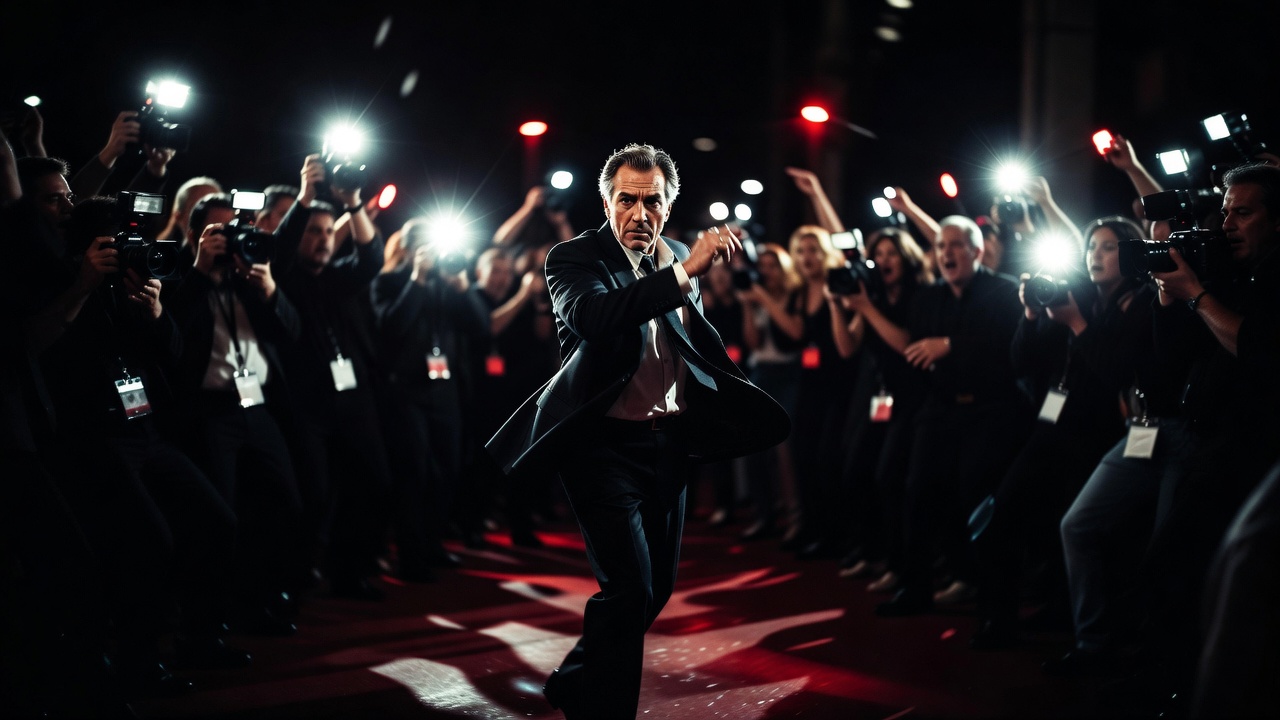
Robert De Niro is once again in the middle of the kind of Hollywood story that tells you more about the industry than one actor.
According to the transcript and reporting frame here, De Niro had been tied to a massive multi-picture arrangement with Warner Bros., a deal said to be worth around $100 million across several planned roles. Those projects were reportedly centered on mob-movie material and political-themed films, with De Niro either leading or appearing in major supporting parts.
Now that deal is dead. Warner Bros. is said to have closed the book after months of negotiations, with CEO David Zaslav distancing the studio from De Niro's increasingly political public posture.
What happened
The timing matters. Hollywood celebrities are flooding political rallies ahead of the 2026 midterms, and De Niro has been one of the loudest names in the room. At a recent New York City rally, he attacked Donald Trump, Trump supporters, studio executives, and even people who normally stay out of politics.
His remarks did not come across like a clean political pitch. They sounded like an actor blaming the public for no longer clapping on command.
De Niro reportedly called Trump "a menace to society and to the entertainment industry," accused studios of being afraid to work with politically vocal talent, and described Trump supporters as part of the same problem. He also took aim at people who have never voted, telling them to get off the couch and "vote blue."
That is where the mask slips.
It is one thing for an actor to have political opinions. Everyone has opinions. It is another thing to lecture the same public that buys tickets, pays for streaming subscriptions, and keeps these careers alive, then act stunned when studios decide the baggage is no longer worth the price tag.
Why it matters
The reported Warner Bros. split says something obvious: the math is changing.
For years, legacy Hollywood treated audience resentment like background noise. Actors could insult half the country, sneer at normal people, turn press tours into campaign stops, and still expect studios to bankroll them like nothing happened.
That era looks shaky now.
Warner Bros. has its own problems, especially after recent box-office failures and the uncertainty around leadership changes. Zaslav may be trying to leave things cleaner before a new regime takes over. Fine. But even if this is just a business calculation, that is the point. The business calculation has changed.
A $100 million package around an actor who keeps turning himself into a political fire alarm is not an easy sell anymore.
The bigger pattern
De Niro is not alone here. Hollywood has a long list of established stars who seem convinced the audience exists to be corrected, not entertained.
Then, when the public pulls away, they blame "authoritarianism," executives, voters, studios, algorithms, bad marketing, anything except their own behavior.
I don't think studios are suddenly brave. I think they are finally reading the room because the room is expensive to ignore. If audiences associate a project with being scolded before they even see a trailer, that project already has a problem.
De Niro can keep giving speeches. He can keep blaming Trump, Republicans, executives, and the public. But if major studios are now deciding that his political brand is more trouble than the movies are worth, that is not censorship. That is Hollywood discovering consequences.
Final take
Robert De Niro built a legendary career on screen. Nobody serious denies that.
But legacy does not give anyone a permanent exemption from alienating the audience. If the reported Warner Bros. deal really fell apart over the studio wanting distance from his public conduct, then this is another sign that Hollywood's old protection racket for celebrity politics is cracking.
The public is tired of being insulted by people who still expect applause.
Subscribe to Game Pilled: https://www.youtube.com/@GamePilledBlog
Join the Based New Wave!


