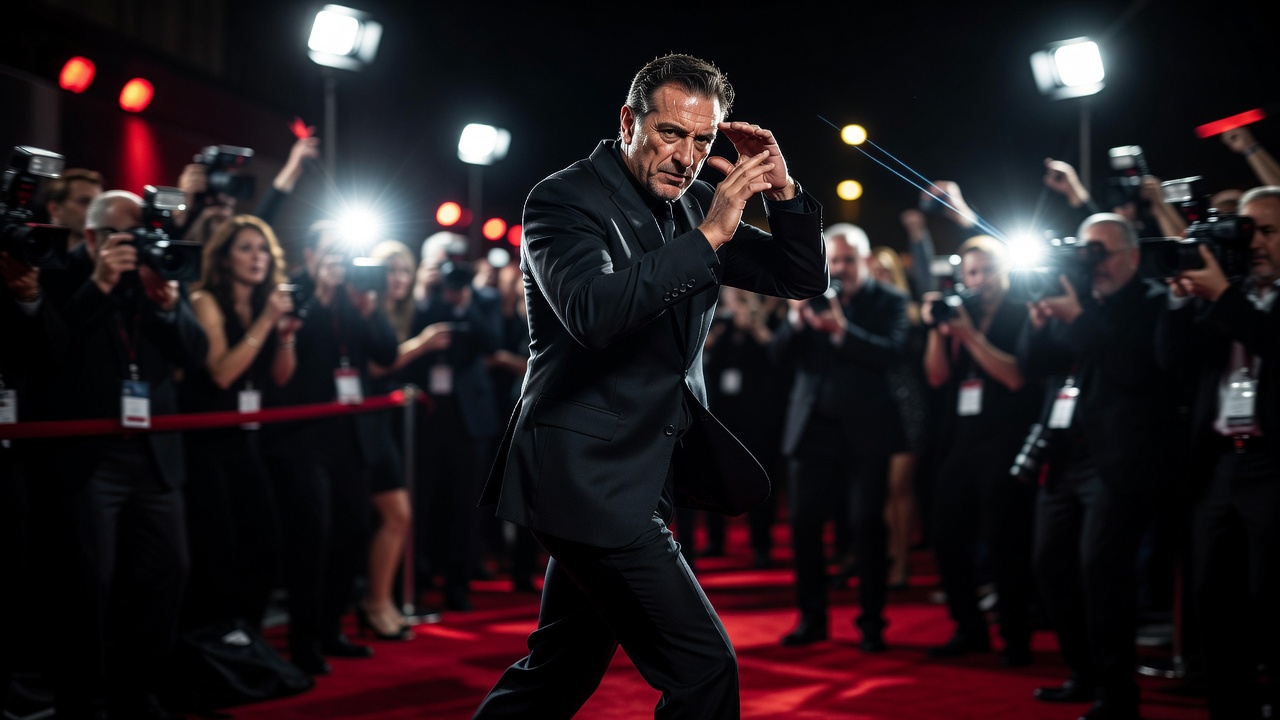
If you needed one more example of how quickly Hollywood turns a public spectacle into a lecture, Robert De Niro just delivered it.
In the aftermath of UFC Freedom 250, the White House lawn fight card that instantly detonated into a culture-war event, De Niro stepped right into the pile-on. At a New York protest event on June 15, he mocked the White House show by welcoming people who “couldn’t get tickets to the White House cage fights,” and used the moment to take another swing at Donald Trump and the country’s political direction.
That part is real. It’s documented. And honestly, it’s not surprising.
What is interesting is how fast the reaction machine kicked in once Freedom 250 went viral. The event itself was already guaranteed to make establishment media and celebrity culture foam at the mouth. Put a UFC card on the White House grounds, stream it nationally, wrap it in patriotic pageantry, and of course half of Hollywood is going to act like the republic collapsed on live television.
But this is where the disconnect gets impossible to ignore.
I can understand people disliking the event. I can understand people thinking it was gaudy, unserious, or politically loaded. Fine. Say that. Make the argument. What I keep rejecting is the ritual where celebrities immediately jump from “I didn’t like this” to “everyone who watched this is beneath me.”
That’s the move. Every time.
And De Niro, whether he meant to or not, fed right into that pattern. His public comments framed the spectacle as another symptom of national decline, which is his right. But the broader celebrity reaction around Freedom 250 has carried the same old sneer: the public cannot be trusted, regular people are dumb, and anyone outside elite cultural taste must be morally defective.
That attitude is exactly why these people keep losing the room.
Then you add the Josh Hokit controversy, and the whole thing gets even uglier. Hokit’s viral Michelle Obama remark was inflammatory, stupid, and tailor-made to ignite social media for the next 48 hours. Once that clip started circulating, it gave every celebrity critic more fuel and a cleaner excuse to turn the entire event into a morality play. Suddenly the conversation was no longer just about whether hosting UFC at the White House was ridiculous or historic. It became another referendum on whether America itself has become irredeemable.
That’s where the reaction veers off the road.
Because the public is not one blob. The people who tuned in to Freedom 250 were not all endorsing every stray comment made around it. A lot of people watched because it was weird, unprecedented, political, theatrical, and impossible to ignore. Some watched for the fights. Some watched for the circus. Some watched because the idea of a White House UFC card is so absurd you almost have to see it with your own eyes.
Hollywood still doesn’t understand that distinction. Or maybe it does, and it just prefers the moral tantrum.
That’s why De Niro’s reaction matters less as a standalone opinion and more as a symbol of the larger problem. He’s become the familiar face of an industry that keeps talking at the public instead of to it. The message is always the same: if you liked the wrong thing, laughed at the wrong moment, or voted the wrong way, you deserve contempt.
People are tired of that script. I know I am.
Freedom 250 was always going to be messy. It was always going to offend somebody. But the celebrity meltdown afterward may end up telling us more than the event itself. The cage was on the White House lawn, sure. The real performance came after, when the cultural elite once again showed how badly they need the audience they keep insulting.