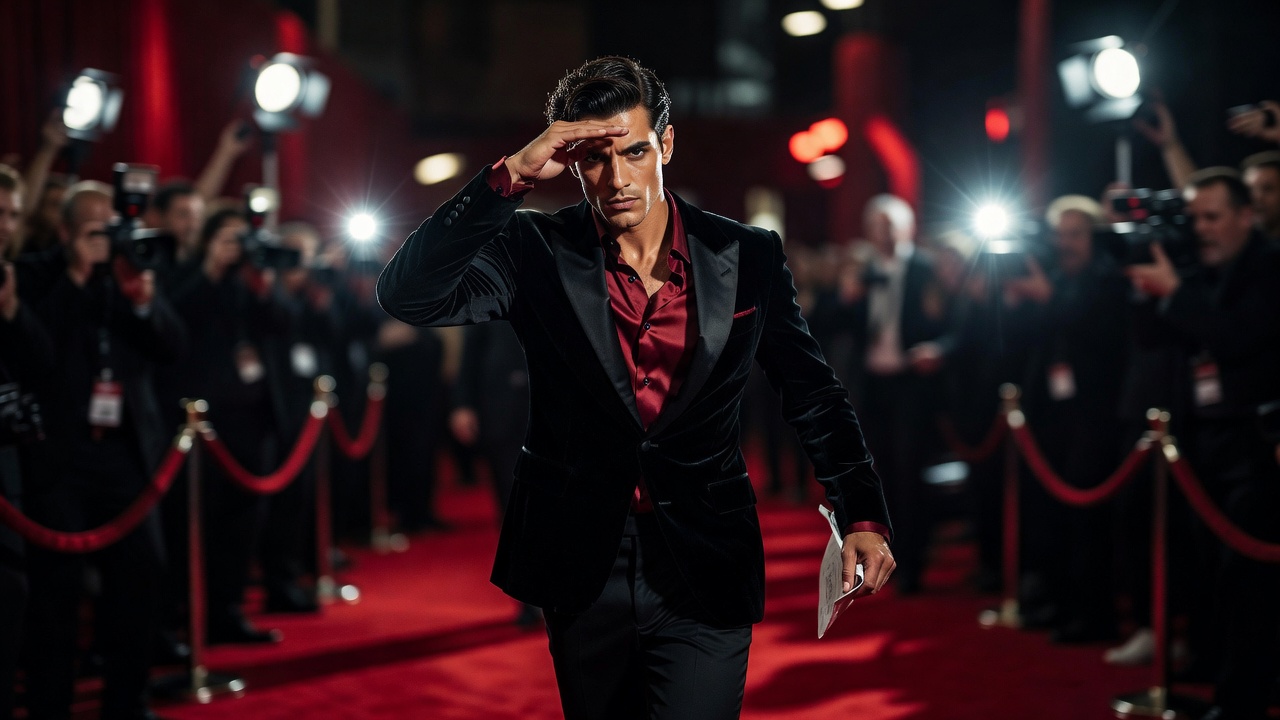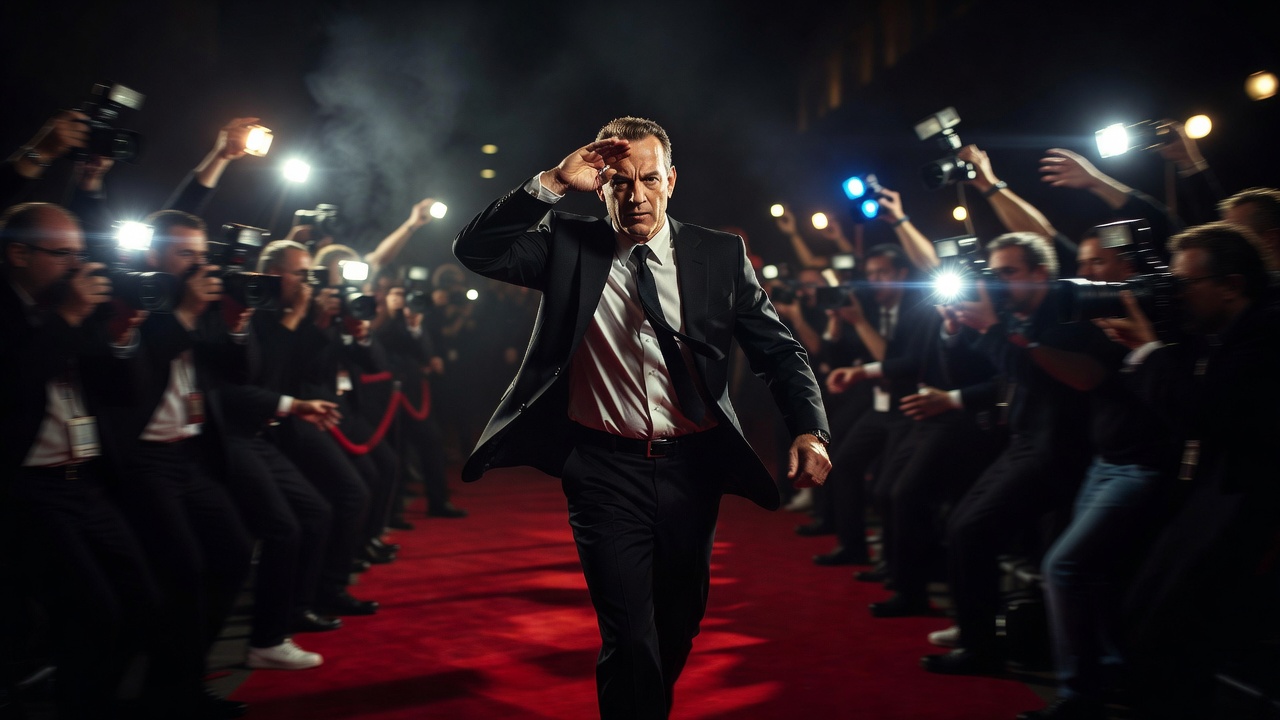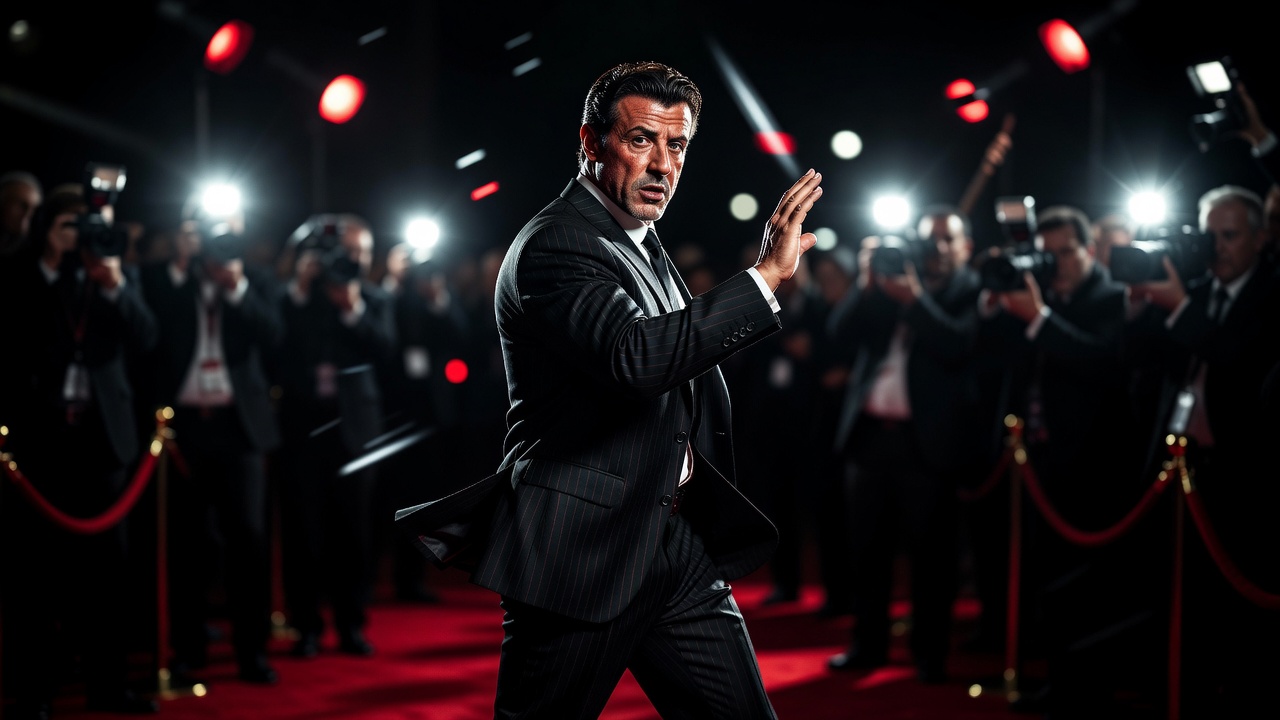
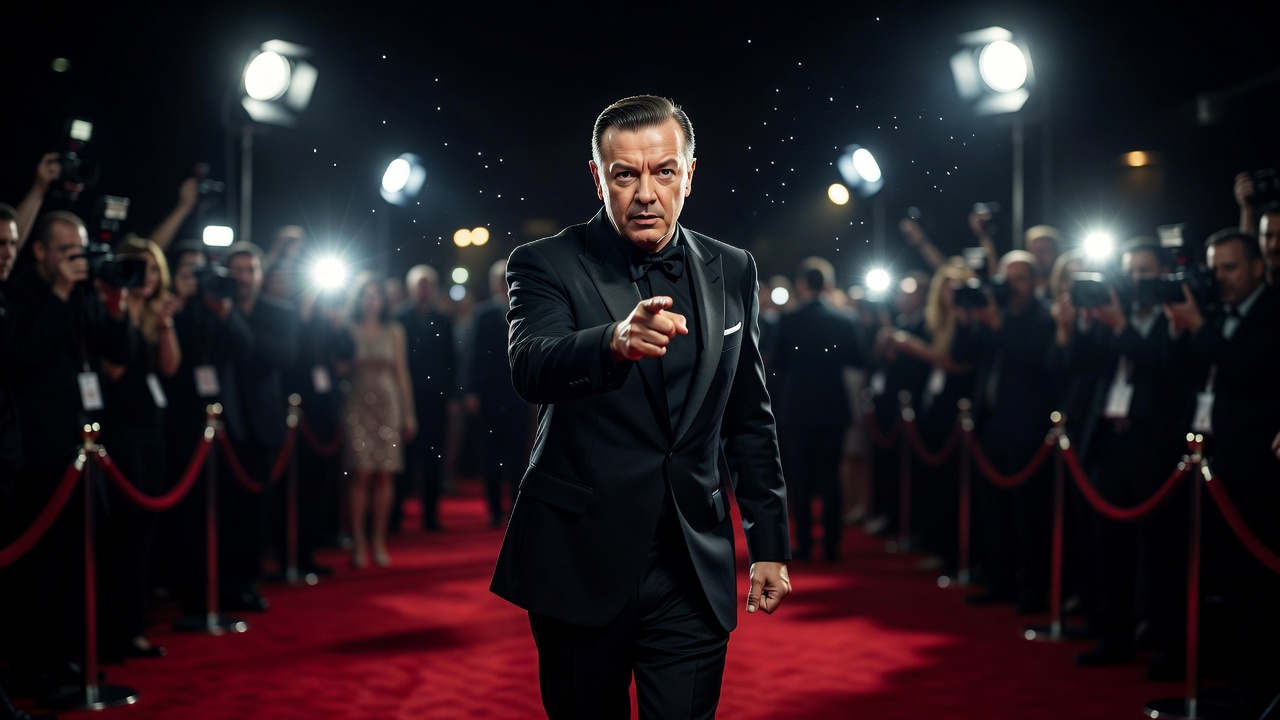
The entertainment industry seems determined to learn the same lesson over and over again: audiences do not love being lectured by people who live behind gates, guards, and PR teams.
According to the latest remarks making the rounds, Ricky Gervais has called out Tom Hanks in particular after Hanks reportedly leaned back into political commentary ahead of the 2026 midterms. Gervais also widened the target to include Robert De Niro, George Clooney, and the broader Hollywood crowd now showing up at rallies, protests, and campaign-adjacent events as if the public has been waiting for another round of celebrity instructions.
I don’t think that public exists anymore. Not in the way Hollywood thinks it does.
What happened
Gervais reportedly mocked the return of celebrity political theater, framing it as another round of mansion-dwellers emerging to tell normal people how to think. His sharpest remarks were aimed at Hanks, with Gervais joking that the actor would be better off putting the cowboy hat back on and sticking to Woody from Toy Story instead of trying to play political oracle.
Robert De Niro also caught heat in the comments, with Gervais reportedly taking a swipe at the gap between De Niro’s tough-guy screen image and the thin-skinned posture many celebrities adopt when the public pushes back.
That is the real story here. This is not just about one actor, one comedian, or one speech. It is about the collision between old Hollywood prestige and a much more skeptical audience.
Why it matters
For decades, major stars could wander into politics and expect media protection, applause, and maybe a polite magazine cover about “using their platform.” That ecosystem is weaker now.
Audiences have watched the same pattern repeat too many times. The celebrity gives the speech. The press frames it as brave. The audience rolls its eyes. Then the industry acts shocked when the public does not respond with gratitude.
Tom Hanks, De Niro, Clooney, and others still have enormous name recognition, but name recognition is not the same thing as trust. In some cases, the more these stars talk, the more they remind people why the gap between Hollywood and its customers has become so ugly.
The bigger pattern
The timing matters because 2026 is a midterm year, which means the entertainment class is becoming politically useful again to the machine around it. Rallies want familiar faces. Campaign events want star power. Media outlets want viral clips. Hollywood wants to believe it still moves culture on command.
But the culture has changed.
A lot of fans now separate the work from the lecture, and some are done doing even that. They see political grandstanding as part of the same value drift that damaged major franchises, hollowed out trust in studios, and turned entertainment into another institutional sermon.
That is why Gervais lands where others don’t. He is part of the industry, but he also understands the absurdity of the industry. He knows exactly how ridiculous it looks when multimillionaire actors scold regular people from a stage and then act wounded when those regular people stop buying tickets.
Final take
Hollywood can keep pretending the backlash is some mystery, but it isn’t. People are tired of being talked down to by celebrities who seem far more interested in political signaling than earning back the audience.
Gervais did not create that frustration. He just said the quiet part loudly enough for everyone to hear.
Subscribe to Game Pilled: https://www.youtube.com/@GamePilledBlog
Join the Based New Wave!