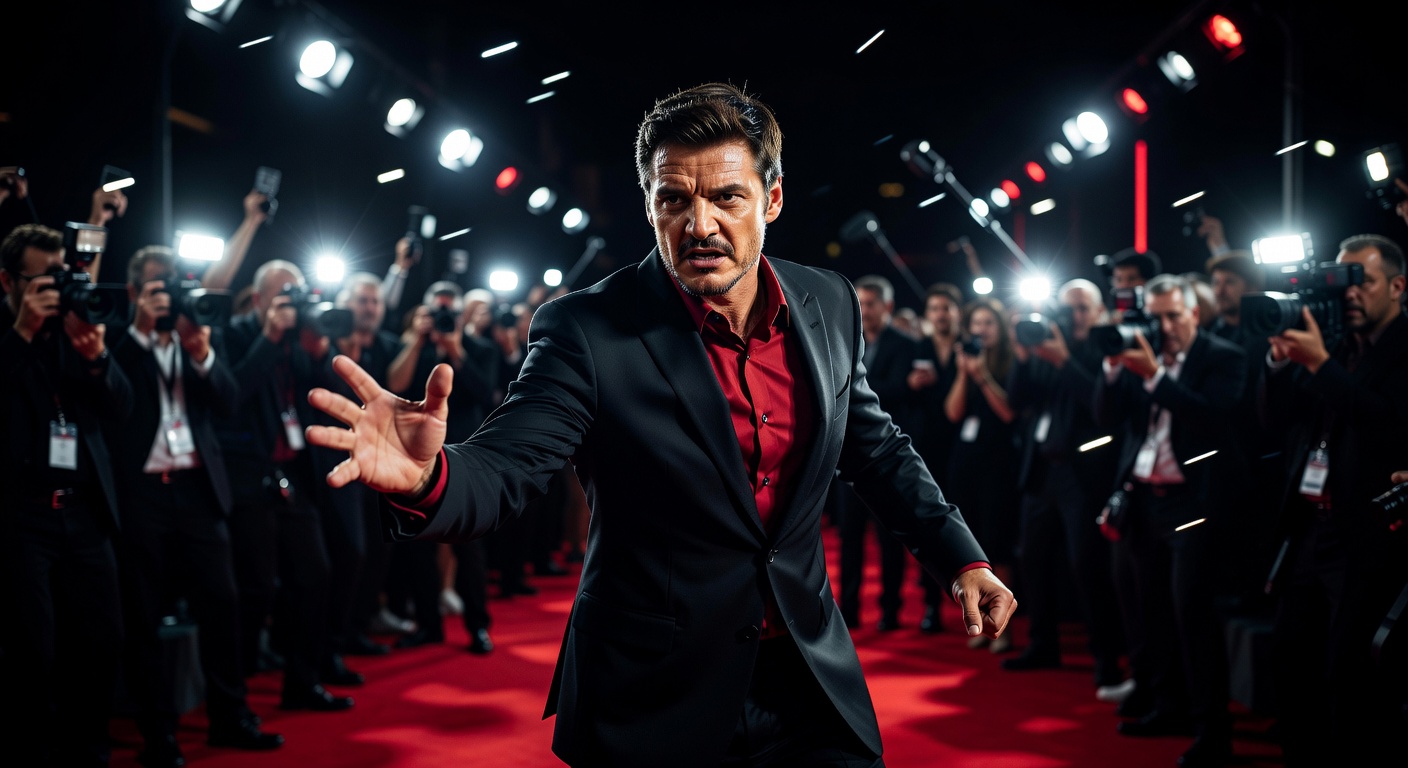
Disney wanted a triumphant return for Star Wars. What it got instead was a very public panic attack.
For the first time in seven years, Star Wars is back on the big screen, and this is what Lucasfilm gives people?
I have to be honest: The Mandalorian & Grogu does not feel like an event movie. It feels small. It feels stitched together. At times it feels less like a feature film and more like a few leftover streaming episodes pushed into theaters and sold as a comeback. That is a brutal thing to say about the first Star Wars theatrical release since The Rise of Skywalker, but it is also the problem Disney now has to live with.
The backlash is not coming only from the usual anti-Disney crowd either. That is what makes this so interesting.
For years, plenty of critics gave Disney’s Star Wars output every possible benefit of the doubt. The Mandalorian TV seasons were treated like a lifeline for the franchise. Now even some of those once-reliable voices are turning on this movie. When your loyal media cushion starts collapsing, you know the spin room is overheating.
And right on cue, the excuses begin.
According to the claims now circulating in commentary around the film, both Disney leadership and Pedro Pascal have answered criticism the way Hollywood always does when it feels cornered: blame politics, blame the audience, blame the culture, blame anyone except the people who actually made the thing.
That move is getting old.
If Pascal’s reported remarks are accurate, then what he is really saying is even worse than the usual celebrity whining. He is implying that critics and fans are reacting this way because of Trump-era politics, fandom toxicity, or resistance to “diversity,” instead of the far simpler explanation sitting right in front of everyone: people think the movie is bland.
That is the word I keep coming back to. Bland.
Not offensively wild. Not gloriously messy. Not even fascinatingly bad. Just flat. A movie with no pulse.
That is a disaster for Star Wars.
This franchise used to run on myth, danger, scale, character, and momentum. Even when Star Wars missed, it usually missed loudly. The Mandalorian & Grogu sounds, from this wave of backlash, like it misses softly. That may be even worse. People can argue for years about a train wreck. Nobody fights for a shrug.
What makes the whole situation more embarrassing is the timing. Kathleen Kennedy is out. Dave Filoni is now carrying the weight of Lucasfilm’s future. Jon Favreau helped shape this particular project. Disney needed a clear win here, or at least a credible fresh start. Instead, the conversation has turned into damage control, critic blaming, and actors publicly scolding the audience.
That is not confidence. That is fear.
And look, I am not interested in the lazy Hollywood trick where every rejected product suddenly becomes a morality test. Sometimes a movie underperforms because it is underwhelming. Sometimes backlash is not a political conspiracy. Sometimes the public is just bored.
That possibility seems to terrify modern studios more than any box office number.
Because if the fans are not wrong, and the critics are not secretly corrupted, and the backlash is not just partisan noise, then Disney has a much bigger problem: they brought Star Wars back to theaters and reminded people how little magic is left in the machine.
That is a hard truth.
It is also probably the real one.