
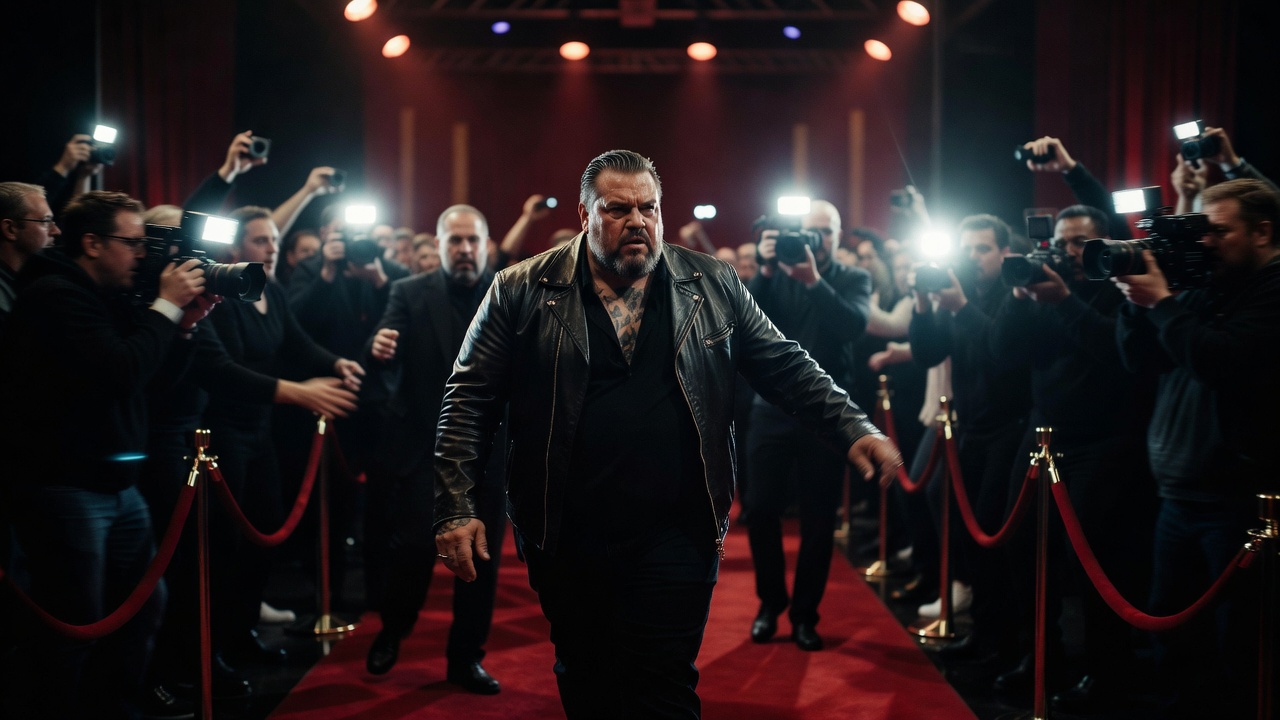
Jelly Roll’s backlash is no longer limited to the jokes he made about Donald Trump on Jimmy Kimmel Live. The bigger problem now is the way he appears to be handling the fallout.
According to the claims circulating around a recent Nashville event, Jelly Roll reportedly went on a rant about his Christian faith and criticized people who questioned his values. He allegedly told those critics to stop supporting his music and leave if they did not like what he had said.
That kind of response might feel satisfying in the moment. It is also a terrible way to deal with a divided audience.
The controversy keeps getting worse
The reported incident has not been independently confirmed, so I’m treating the stage confrontation as an allegation rather than established fact. But the reaction fits the larger pattern surrounding Jelly Roll right now: every attempt at damage control seems to create another argument.
The story claims that members of the crowd began shouting insults and demanding that he leave the stage. It further alleges that security personnel escorted him backstage while the crowd continued reacting.
Whether every detail of that account is accurate or not, the public perception is already doing serious damage. People are no longer debating one television appearance. They are debating whether Jelly Roll still respects the audience that helped build his career.
That is a much harder problem to solve.
Telling fans to leave is rarely a winning strategy
The moment a celebrity tells unhappy fans to stop listening, stop buying tickets, or stop supporting their work, the relationship changes. It stops being a disagreement over one comment and becomes a question of loyalty.
Jelly Roll is hardly the first entertainer to make that mistake. We have seen similar blowups when actors, musicians, and celebrities decide that criticism automatically makes someone an enemy. The audience is expected to provide money, attention, and career momentum, but the moment those same fans object, they are treated like an inconvenience.
That is where the Rachel Zegler comparison comes in. The issue is not that entertainers have opinions. Of course they do. The issue is the assumption that anyone who disagrees must be pushed away.
You cannot build a mass entertainment career around “ride or die” loyalty and then act shocked when people decide they are done riding.
The image problem is bigger than Jimmy Kimmel
The Trump jokes may have started the latest controversy, but they are not necessarily the main reason the backlash continues. The lasting problem is the impression that Jelly Roll is becoming defensive, angry, and increasingly disconnected from his own audience.
If the reports about canceled appearances and internal disagreements with management are accurate, then his team has a serious crisis to manage. The worst possible response would be more profanity, more attacks on critics, and more demands that fans prove their loyalty.
That only makes the audience feel like it is being tested.
I keep coming back to one simple point: fans do not expect entertainers to be perfect. They expect them to understand the relationship. Jelly Roll’s career was built on authenticity, vulnerability, and connection. If people now believe that image was replaced by contempt for criticism, the backlash will continue long after the original television appearance is forgotten.
The question is no longer whether Jelly Roll can win one argument. It is whether he can rebuild trust without insulting the people whose support made him famous.
Subscribe to Game Pilled: https://www.youtube.com/@GamePilledBlog
Join the Based New Wave!


