
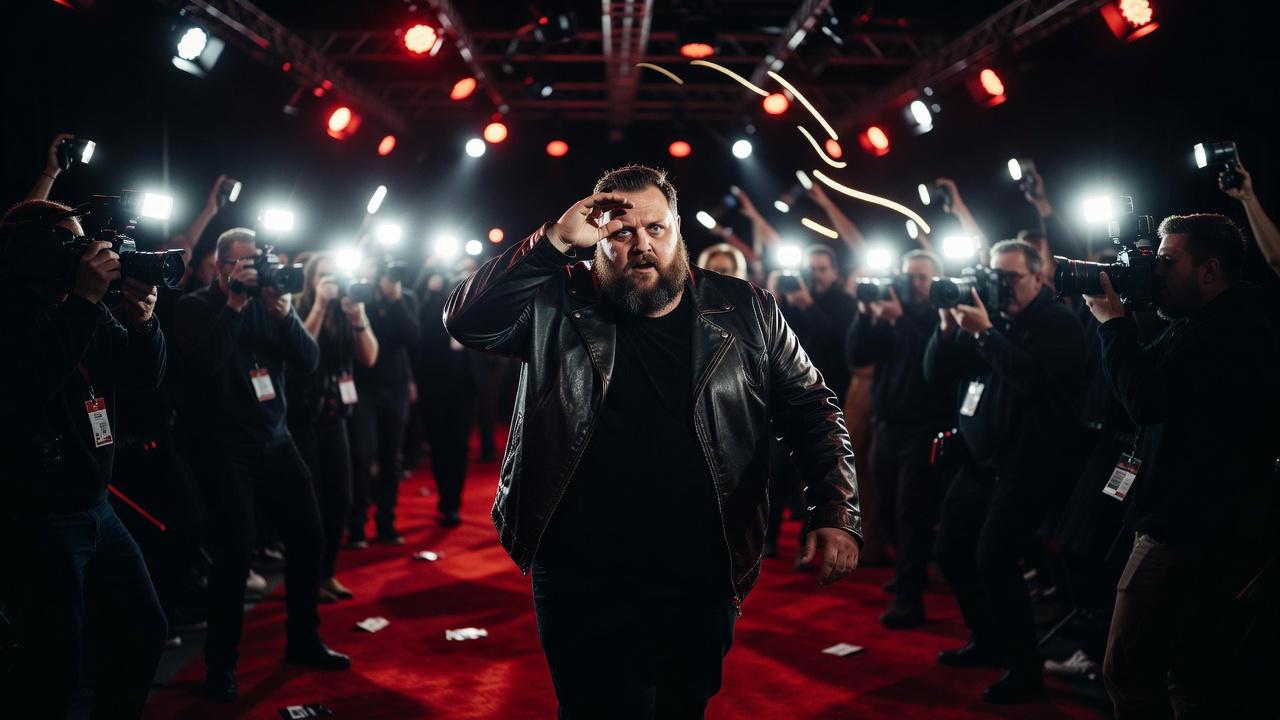
Jelly Roll walked into Jimmy Kimmel's chair and came out with a problem that is not going away.
The guest-hosting spot was supposed to be a Hollywood-friendly victory lap. Instead, the Trump jokes landed flat with a huge chunk of his own audience, and the fallout has only gotten louder since the clips started circulating. Fans who bought into the humble, apolitical, regular-guy image are now asking whether that persona was ever real.
That is the part of this story that matters most.
What happened
After Jelly Roll's appearance on Jimmy Kimmel Live, the backlash moved fast. The jokes were political, they were aimed at the usual late-night target, and they sounded like the same stale material audiences have heard for years from every host chasing approval from the same small club.
According to the story now circulating around the backlash, the damage has gone beyond angry comments. Reports tied to the controversy claim his Tulsa King role with Paramount is gone, and that some radio stations have begun pulling his songs from rotation.
Whether every industry consequence shakes out exactly as claimed, the audience reaction is already real enough. Social media does not look like a normal disagreement. It looks like fans checking out.
Ricky Gervais enters the conversation
The latest development is Ricky Gervais weighing in, and honestly, his read cuts straight to the problem.
Gervais has built a second career out of saying the quiet part out loud about celebrity culture: the lectures, the fake bravery, the need for applause from other famous people. His message to Jelly Roll, as it is being discussed now, is simple: if you sell yourself as above politics, then run to late-night TV and perform the approved political routine, people are going to notice.
That is why the jokes are not the whole issue.
Bad jokes happen. A comedian can bomb. A singer guest-hosting a late-night show can look awkward. Fine. The bigger issue is the feeling that Jelly Roll let Hollywood flatter him into becoming exactly the kind of celebrity his fans thought he was not.
Why it matters
Jelly Roll's appeal was never just the music. It was the story. The redemption arc. The rough edges. The guy who seemed more interested in connecting with ordinary people than joining the celebrity class.
Once that image cracks, it is hard to glue back together.
Fans can forgive a bad song. They can forgive a bad joke. What they usually do not forgive is feeling played. And when a performer spends years presenting himself as authentic, grounded, and politically detached, a late-night segment full of partisan punchlines feels less like comedy and more like a reveal.
That is why this has legs.
The bigger pattern
Hollywood keeps making the same mistake with musicians, actors, comedians, athletes, and anyone else with a loyal audience. It convinces them that access is the prize. Sit in the right chair. Laugh with the right people. Say the approved thing. Take the applause from the room.
Then they act shocked when the real audience outside that room reacts badly.
Late-night TV has been running on this fumes-based political comedy model for years. The Trump joke machine is tired. The audience is tired. Even people who do not like Trump are tired of pretending every lazy punchline is edgy.
Jelly Roll stepped into that machine and looked smaller for it.
Final take
I do not think this backlash is just about one Kimmel appearance. It is about a fan base realizing that the guy they trusted may want Hollywood's approval more than their respect.
Ricky Gervais calling that out works because it lands on the obvious point: celebrities keep mistaking applause from the industry for loyalty from the public. Those are not the same thing.
And Jelly Roll may be learning that lesson the hard way.
Subscribe to Game Pilled: https://www.youtube.com/@GamePilledBlog
Join the Based New Wave!


