
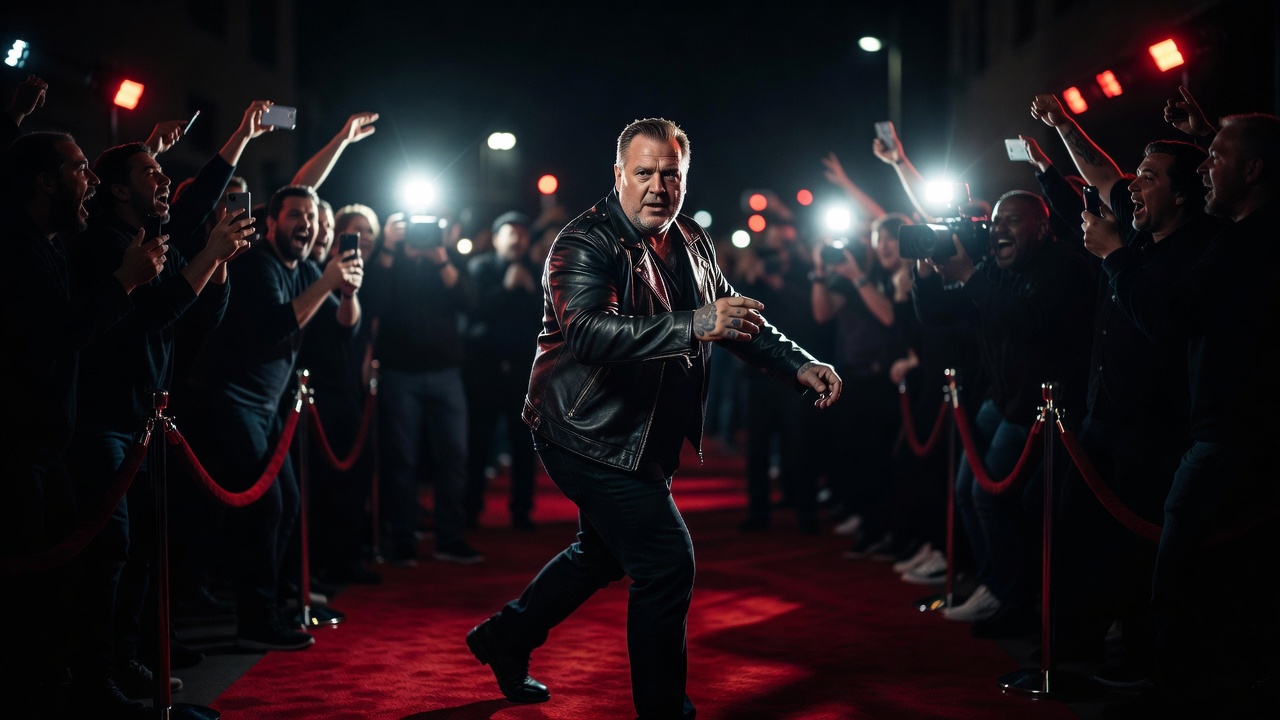
Jelly Roll’s late-August run guest-hosting Jimmy Kimmel Live! was supposed to be a mainstream victory lap. Instead, it has turned into one of those entertainment stories where the backlash becomes bigger than the original bit.
The problem, at least for a large chunk of his audience, was simple: fans believed Jelly Roll had built trust by staying above partisan showbiz routines. Then he went on ABC, made jokes about President Donald Trump, and suddenly that old “I don’t get political” image looked a lot less convincing.
What Happened
Jelly Roll guest-hosted Jimmy Kimmel Live! from August 24 through August 27. During that stretch, his Trump jokes went viral with the exact crowd that used to see him as more grounded than the average celebrity chasing approval from late-night television.
That is where the temperature changed. Fans were not merely saying, “I didn’t like the jokes.” Many were saying he broke the basic bargain he had made with his audience.
And honestly, I get why people are annoyed.
You can tell your fans for years that you are not going to pick political lanes, then walk into one of the most politically branded late-night environments in the country and act shocked when people notice. Whether someone liked the jokes or hated them, pretending the whole thing was just harmless comedy with no political angle is a hard sell.
The Response Made It Worse
According to remarks now circulating around the backlash, Jelly Roll did not exactly choose humility. Instead, he reportedly told critics to “touch some grass,” “get a life,” and stop being so easily offended.
That is the part that turns a bad PR cycle into something uglier.
Fans can forgive an awkward appearance. They can forgive a flat joke. What they do not forgive easily is being talked down to by someone they helped build up in the first place.
The defense also seems confused. On one hand, the argument is that comedy naturally includes political jokes. Fine. But on the other hand, Jelly Roll is reportedly insisting he did not get political at all. Those two claims do not sit together. If the jokes were about the sitting president, on a major network late-night show, during a politically charged year, then yes, people are going to read them politically.
That should not require a committee meeting.
Why It Matters
This is bigger than one celebrity monologue. It is about trust.
Jelly Roll’s appeal has never been that he was polished Hollywood product. His whole brand worked because people believed he was real, grateful, and connected to the audience that showed up for him before the establishment decided he was useful.
That is why this landed differently. Fans are used to entertainers getting political. They are used to late-night shows recycling the same stale targets. What they hate is the bait-and-switch: “I’m not that guy,” right up until the industry spotlight gets bright enough.
And once the criticism hits, the worst possible move is to blame the audience for noticing.
The Bigger Pattern
We have seen this pattern across music, movies, gaming, and television. A performer builds a broad fanbase by seeming normal, accessible, and outside the machine. Then the machine calls. Suddenly the tone changes, the jokes change, the interviews change, and the fans are told they are backward for pointing it out.
That is how resentment builds.
Maybe Jelly Roll can ride this out. Celebrities have survived worse. But the damage here is not about one Kimmel appearance. It is about whether his audience still believes the image.
Final Take
If Jelly Roll wants this story to go away, attacking disappointed fans is the wrong play. The smarter move would be simple: admit the jokes landed badly with part of his audience, stop pretending the appearance was apolitical, and remember who was there before ABC handed him the desk.
Because once fans feel disrespected, they do not just complain.
They leave.
Subscribe to Game Pilled: https://www.youtube.com/@GamePilledBlog
Join the Based New Wave!


