
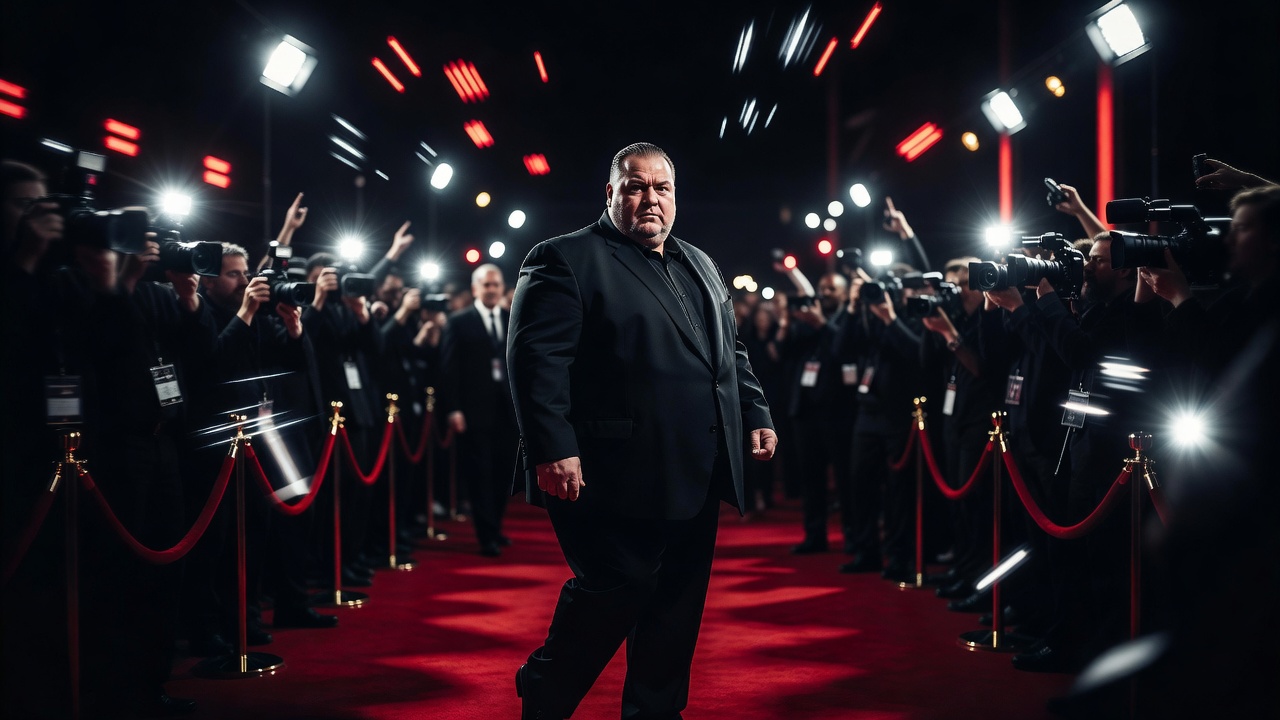
Jelly Roll’s Jimmy Kimmel appearance was already turning into a messy entertainment story. The jokes landed badly with a large chunk of his audience, the response online got uglier, and the bigger issue became less about one late-night segment and more about whether fans felt the version of Jelly Roll they bought into was real.
Now the story has reportedly moved beyond social media backlash and into Hollywood itself.
What happened
According to the latest claims circulating around the situation, Jelly Roll had been expected to return to Tulsa King in a future season after previously appearing as himself on the Paramount series. The plan, reportedly, was not just another blink-and-you-miss-it cameo, but a larger appearance tied to season 5.
That is now said to be off the table.
The surprising part is the reported role Sylvester Stallone played in it. Stallone, who stars in Tulsa King and is also involved behind the scenes as an executive producer, allegedly pushed for Paramount to drop the Jelly Roll appearance after the backlash continued to build.
The claim is that the concern was not only the Trump jokes themselves. It was the brand damage around Jelly Roll, the fan anger, and the possibility that putting him back on the show could become a ratings problem instead of a bonus.
Why it matters
That is the part of this story that matters most.
Hollywood loves celebrity cameos when the celebrity brings goodwill. They are supposed to make the audience lean forward, point at the screen, and say, “Oh, that’s cool.” But when the celebrity becomes a liability, that same cameo turns into a distraction.
And that is exactly the danger here.
Jelly Roll built a public image around being the rough-around-the-edges everyman. The guy who understood regular people. The guy who seemed separate from the usual entertainment machine. So when he showed up on a late-night platform and started mocking the same kind of audience that helped make him massive, the backlash was not just political. It was personal.
Fans can forgive a bad joke. They have a harder time forgiving the feeling that they were being played.
The bigger pattern
This is the entertainment industry lesson that keeps repeating itself: audiences are tired of celebrities acting shocked when the people who built them walk away.
For years, stars could go on late-night TV, take the approved position, get applause from the room, and assume the rest of the country would either agree or forget. That era is weaker now. The audience talks back. They unsubscribe. They stop buying tickets. They stop streaming songs. Sometimes radio gets nervous. Sometimes studios get nervous too.
If the Paramount report is accurate, that is what happened here. The studio saw the temperature around Jelly Roll and decided the upside was not worth the risk.
That should scare every entertainer who thinks their fanbase is just a number on a dashboard.
Final take
I do not think this is really about one late-night monologue. It is about trust.
Jelly Roll’s audience thought they knew what he represented. Then he went on a very specific stage, made very specific jokes, and responded to the backlash in a way that made things worse. Once that trust cracks, the consequences do not stay politely contained to Instagram comments.
They move into radio. They move into ticket sales. And now, reportedly, they move into Hollywood casting decisions.
That is the part celebrities never seem to understand until the calls stop coming.
Subscribe to Game Pilled: https://www.youtube.com/@GamePilledBlog
Join the Based New Wave!


