
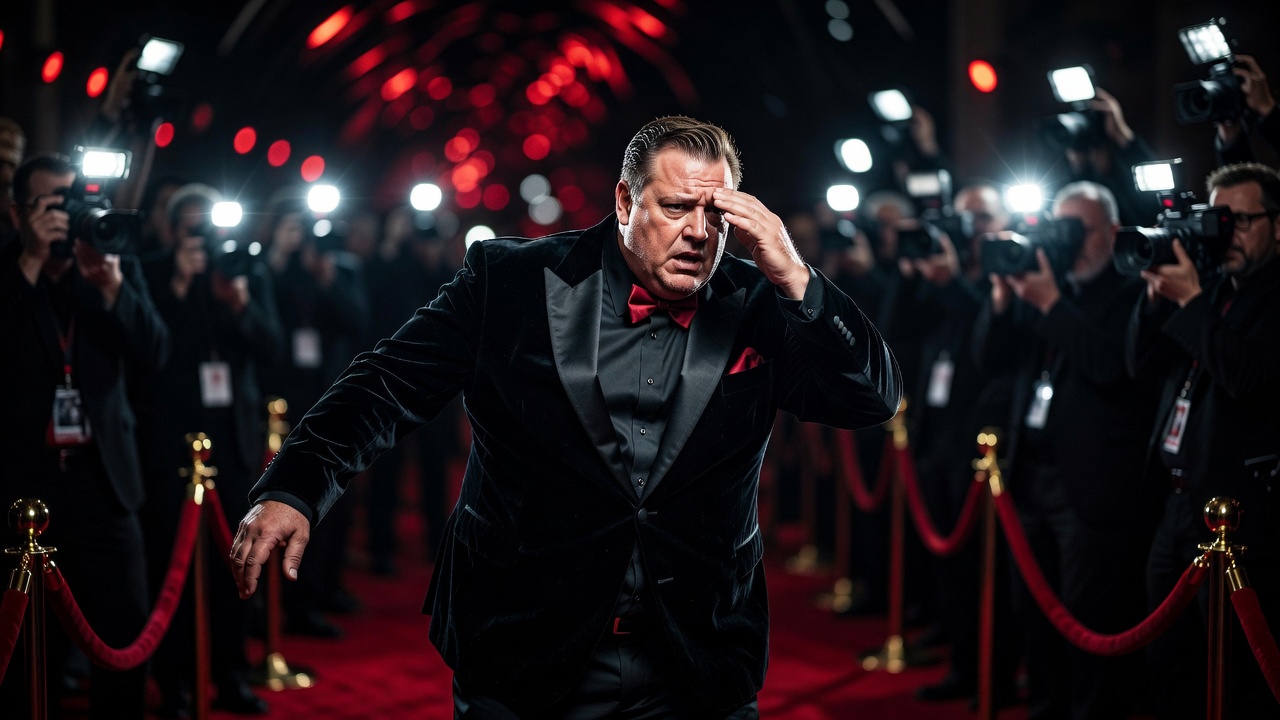
The Jelly Roll backlash has turned into the kind of entertainment story that keeps getting worse the longer everyone involved tries to explain it away.
What started with his guest-hosting turn on late-night TV has now reportedly created a problem for NBC and Saturday Night Live, especially as the network prepares its upcoming Halloween special. The issue is not just that Jelly Roll made jokes about Donald Trump. The bigger problem is that his audience saw him stepping directly into the same political-comedy machine he had spent years seeming to avoid.
What happened
According to the current chatter around the special, Jelly Roll had been lined up for a Halloween-themed SNL appearance built around a political rap segment. The sketch reportedly would have featured him in costume, performing a diss-track style song aimed at Trump’s appearance, weight, and presidency.
That matters because this was apparently not some throwaway cameo. The segment was said to be planned as a larger bit, with a fuller version of the song potentially released online after the broadcast.
Then the Kimmel backlash happened.
After Jelly Roll’s Trump jokes on late-night TV went viral, a lot of fans viewed the moment as a betrayal of the apolitical, redemption-centered image he had built with his audience. That audience includes many people who were drawn to his story because it felt personal, grounded, and separate from the usual celebrity lecture circuit.
Now NBC reportedly wants distance.
Why it matters
The most interesting part here is not that SNL wanted anti-Trump material. That is about as shocking as finding water in the ocean.
The interesting part is that NBC and SNL allegedly looked at the reaction to Jelly Roll’s Kimmel appearance and decided he was no longer worth the headache. For a network comedy institution that has spent years leaning into political sketches, that says plenty about where the audience temperature is right now.
The backlash also hits Jelly Roll in a particularly awkward spot. He built a brand around humility, struggle, faith, recovery, and connection with ordinary people. So when fans see him mocking somebody else’s body after his own dramatic weight loss, it lands differently. It does not come off edgy. It comes off smug.
And smug is poison for an artist whose appeal depends on sincerity.
The bigger pattern
This is becoming a recurring Hollywood problem. Celebrities keep treating political dunking as a harmless career accessory, then act stunned when half the room decides the mask slipped.
Fans are tired of being pulled into the same stale routine: celebrity gets popular by sounding relatable, gets invited into elite entertainment spaces, takes the predictable political shot, then complains when the original audience feels used.
That is why the reported SNL move matters. If NBC really is rewriting or cutting political material after seeing the backlash around Jelly Roll, Tom Hanks, Robert De Niro, and others, then even the people inside the machine can read the room when money is on the line.
They may not respect the audience. But they understand consequences.
Final take
I do not think this is complicated. Jelly Roll had every opportunity to stay in the lane that made people trust him. Instead, he walked into the late-night political comedy grinder, and now the same industry that encouraged it may be stepping back because the blowback got too hot.
That is the lesson here.
The audience is not obligated to clap when a celebrity trades authenticity for approval from the usual entertainment crowd. And if SNL really did pull the plug on this Halloween bit, it is not because the network suddenly developed great taste.
It is because even NBC can tell when a joke has stopped being worth the damage.
Subscribe to Game Pilled: https://www.youtube.com/@GamePilledBlog
Join the Based New Wave!


