
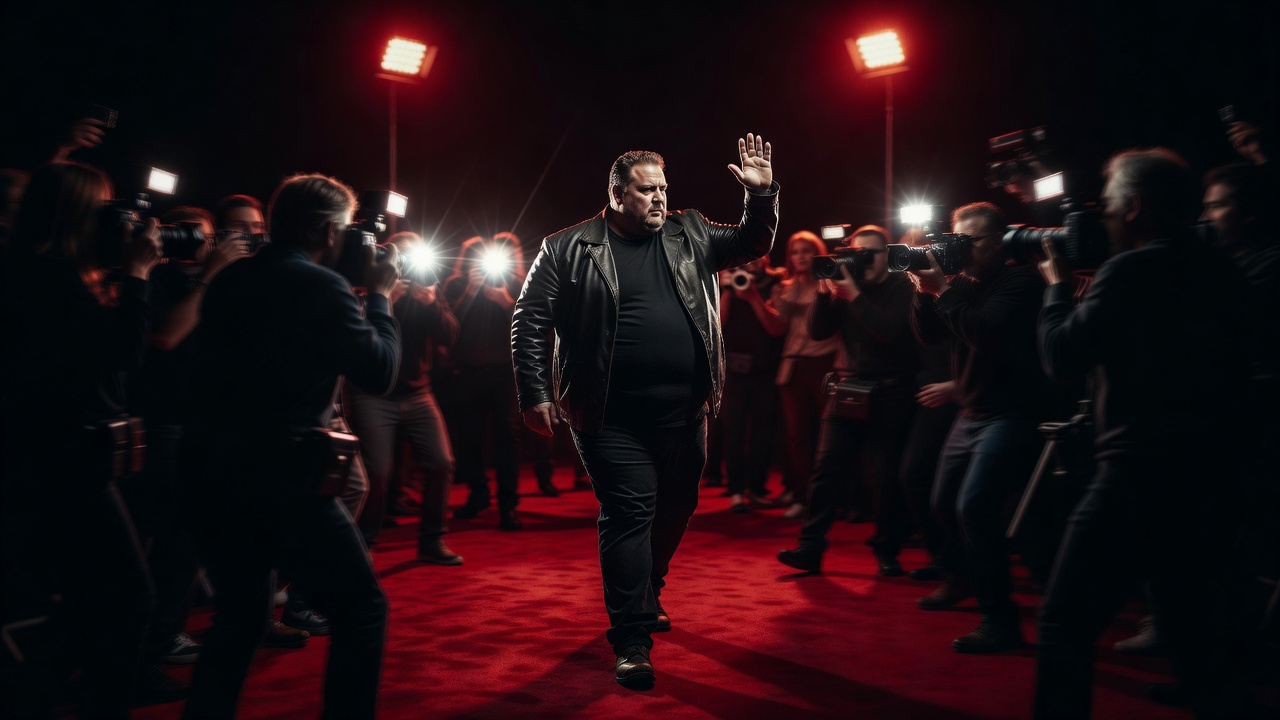
The Jelly Roll backlash is no longer limited to angry comments and declining goodwill. According to the claims circulating around his recent controversies, Nike and Adidas have reportedly dropped plans to feature him in spring 2027 marketing campaigns.
That would put both companies alongside Weight Watchers, which allegedly ended its own relationship with Jelly Roll earlier. None of these reports have been independently confirmed, but the pattern being described is easy to understand: brands do not want to attach themselves to a celebrity whose relationship with his audience appears to be falling apart.
The reported Nike and Adidas campaigns
The planned campaigns were reportedly connected to Jelly Roll’s weight-loss journey and his attempt to reshape his image around fitness, sports, and personal change. The ads were expected to feature shortened versions of his songs and would have been filmed later this year for a spring 2027 rollout.
That reportedly changed after the backlash surrounding his appearance on Jimmy Kimmel Live. Critics accused Jelly Roll of abandoning the nonpolitical image that helped build his connection with fans. His comments about people who rejected his performance allegedly made the situation worse, especially when some fans felt he was telling them to stop listening to his music.
That is a difficult problem for any brand campaign. Nike and Adidas are selling an identity as much as they are selling clothing. They need celebrities who can bring audiences with them, not figures who are actively fighting with those audiences.
A reputation problem money cannot easily fix
The bigger issue is that Jelly Roll’s alleged brand cancellations are happening alongside reports of lost opportunities in television, film, wrestling, sports, and music. One controversy by itself might be survivable. Several at once starts to look like a business problem.
I have seen entertainers survive bad interviews, political missteps, and online outrage. What usually hurts them is the reaction afterward. When an artist apologizes, explains the situation, or simply moves on, the story can lose momentum. When the response becomes defensive and fans are treated like the enemy, the damage tends to stick.
That appears to be what has happened here. The controversy is no longer just about one late-night appearance. It is now about whether Jelly Roll understands the audience that made him valuable in the first place.
The audience is part of the product
A celebrity endorsement only works when the audience believes the person represents something real. Jelly Roll’s appeal was built on authenticity, redemption, and the idea that he had overcome his past. If fans now see that image as manufactured, every new commercial opportunity becomes harder to sell.
That may also explain why reports of planned campaigns are being reconsidered. Companies can work around an imperfect celebrity. They have a much harder time working around a celebrity whose own supporters feel insulted or discarded.
For Jelly Roll, the next move matters more than another brand deal. He needs to decide whether he wants to rebuild trust or keep treating criticism as proof that everyone else is the problem.
Because once the audience checks out, Nike and Adidas are not the real loss. The real loss is the connection that made those deals possible.
Subscribe to Game Pilled: https://www.youtube.com/@GamePilledBlog
Join the Based New Wave!


