
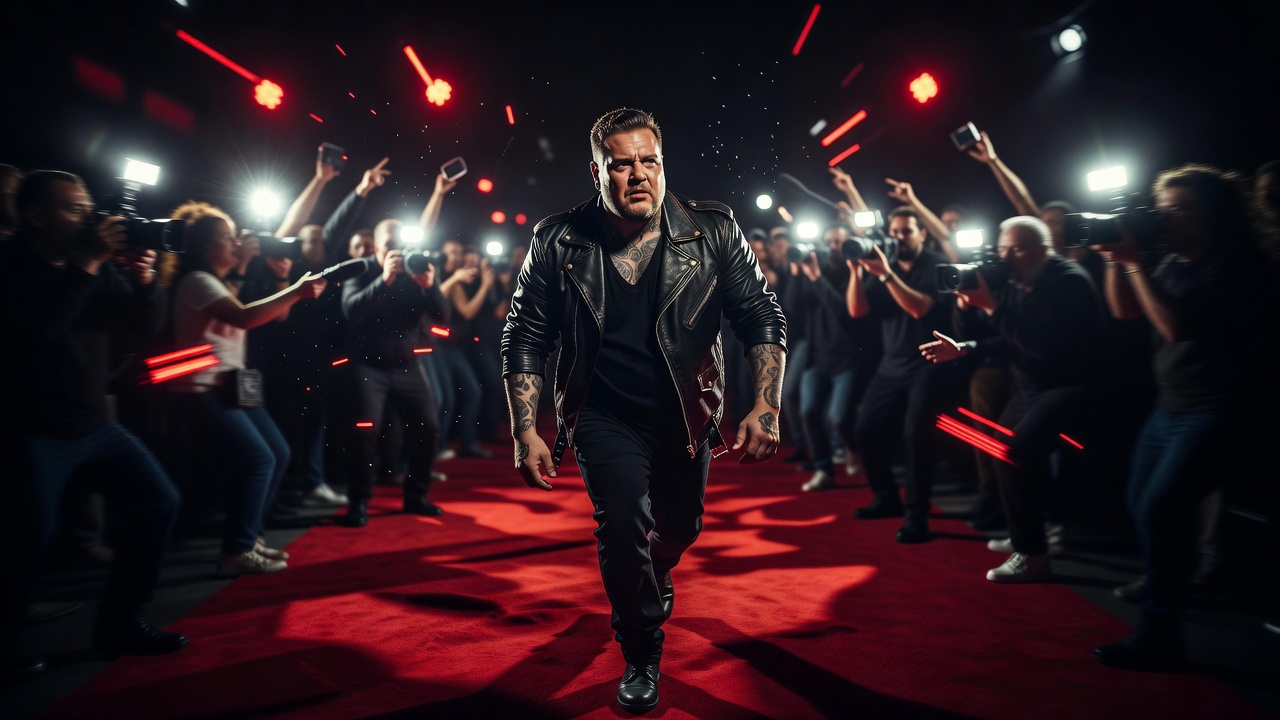
The Jelly Roll backlash is still growing, and his latest response is unlikely to calm anything down.
After appearing on Jimmy Kimmel Live! and making jokes about Donald Trump, Jelly Roll reportedly found himself facing boycott calls from listeners and growing pushback from radio stations. Some outlets are now said to have removed his music from rotation, with others allegedly considering longer-term bans.
That is a serious problem for any recording artist. Radio exposure still matters, especially when an artist is trying to remain visible across country, pop, and mainstream entertainment. But instead of taking a step back, Jelly Roll appears to be treating the backlash as proof that he is being persecuted.
Jelly Roll blames “cancel culture”
In a statement discussed after the controversy, Jelly Roll reportedly argued that cancel culture has gone too far. He characterized the backlash as politically motivated and said listeners had no reason to organize boycotts over what he considered harmless comedy.
He also argued that radio stations and studios should not allow political disagreements to determine what music gets played.
That sounds reasonable until you look at how the entertainment business actually works. Radio stations have audiences, advertisers, executives, and programming departments. If a large number of listeners complain, those stations are going to pay attention. That is not a government censorship program. It is a business reacting to its audience.
Jelly Roll’s argument also seems to overlook the fact that fans are allowed to make their own decisions. If listeners decide to stop streaming an artist, delete their songs, or ask stations to stop playing them, that is part of the same marketplace he benefited from when those listeners supported him.
The victim narrative is wearing thin
What stands out to me is how quickly the conversation has shifted from Jelly Roll’s appearance to his claims about respect, freedom of expression, and the supposed collapse of the music industry.
He has reportedly emphasized that artists deserve respect for using music to help people. I understand that artists want their work judged separately from their politics. But respect is not a permanent entitlement. It is something an artist keeps by maintaining trust with the audience.
That trust can disappear quickly when fans feel mocked, dismissed, or told that their support is no longer wanted. Jelly Roll may not have expected people to take those comments seriously. Now that some of them apparently have, he is presenting the consequences as an attack.
That is where the strategy starts to fall apart.
The bigger career problem
The reported radio backlash comes as Jelly Roll is already dealing with questions about other entertainment opportunities. His relationship with wrestling appears to have cooled, and his reported UFC appearance is no longer happening. There are also claims that he may work with Jimmy Kimmel again, which could create even more frustration among the people who believe the original appearance caused this mess.
Whether every report about lost opportunities is accurate or not, the perception is becoming difficult to ignore. Jelly Roll is increasingly being viewed by critics as an entertainer chasing attention while insisting that the audience is the problem.
That may be unfair in some areas. It is also a warning sign he should not ignore.
Final take
Radio stations are not obligated to keep playing an artist simply because that artist believes he deserves the exposure. Listeners are not obligated to keep supporting music from someone they no longer trust.
Jelly Roll can defend his jokes, criticize the backlash, and continue working with whoever he wants. But if he keeps treating disappointed fans like enemies, he should not be surprised when those fans walk away.
Subscribe to Game Pilled: https://www.youtube.com/@GamePilledBlog
Join the Based New Wave!


