
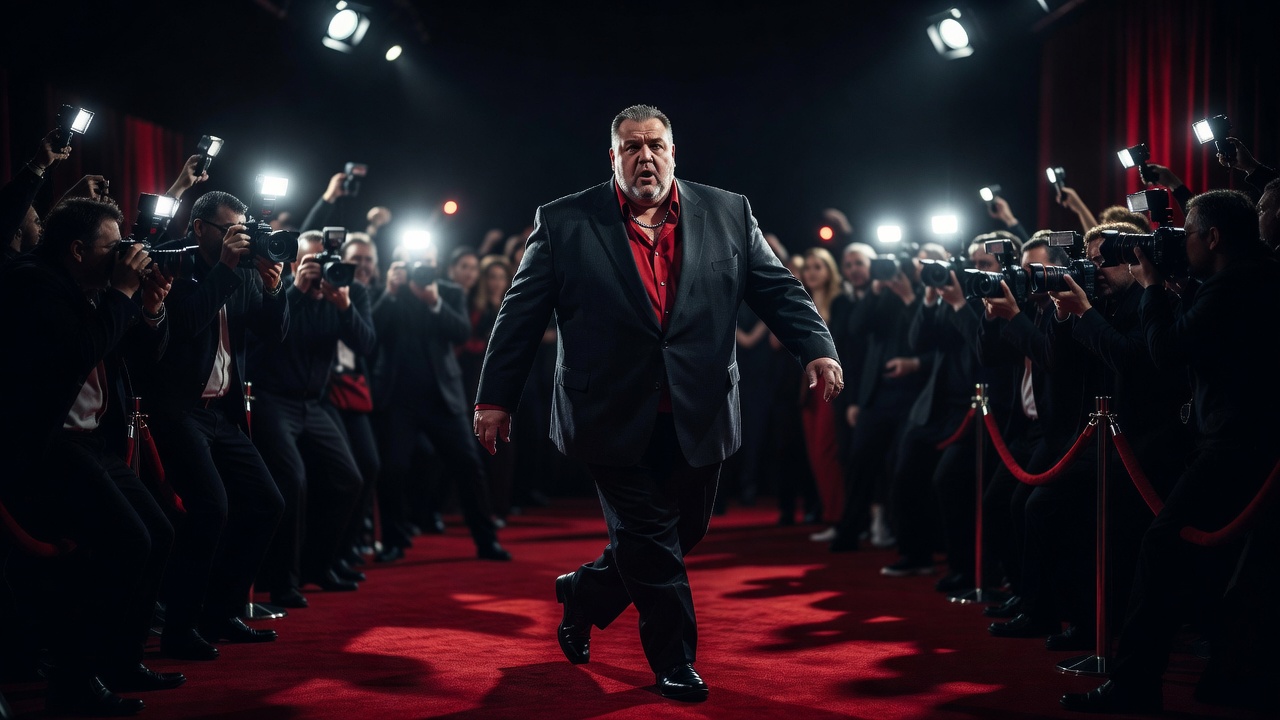
The backlash surrounding Jelly Roll has only intensified since his appearance on Jimmy Kimmel Live, where jokes about Donald Trump triggered a major reaction from fans. Now he has issued an apology, and somehow managed to make the situation even messier.
That is the problem with a “sorry, but I did nothing wrong” apology. It asks the audience for forgiveness while refusing to acknowledge the thing that actually upset them.
What Jelly Roll’s apology said
Jelly Roll reportedly apologized for the way he spoke to fans who criticized him. He said some of his words were too harsh and asked longtime supporters to give him another chance.
Then he drew a very firm line: He would not apologize for the jokes he made on Jimmy Kimmel Live.
His argument is that the material was harmless comedy and that people should be able to laugh at jokes involving the president. He also pushed back against fans questioning his Christian values, calling those critics bullies and suggesting they should simply stop listening to his music.
That is a strange way to rebuild trust with an audience. You can’t tell people that you value their support and then immediately tell them to leave when they express disappointment.
The “sorry, but” problem
I have seen this strategy play out countless times in entertainment. A celebrity apologizes for the reaction, the tone, the “misunderstanding,” or the way their words were received. The one thing they never apologize for is the decision that caused the controversy in the first place.
That is exactly what makes the statement feel so hollow.
Jelly Roll appears to be saying, “I’m sorry that I was harsh, but you were wrong to be upset.” That is not accountability. That is a public-relations reset button with the batteries missing.
The situation becomes even more awkward because the apology reportedly leans heavily on his Christian identity while attacking people who believe his behavior contradicted those values. That invites the exact debate he claims he wants to end.
Why fans are not buying it
The criticism is no longer limited to one late-night appearance. The backlash has expanded into questions about Jelly Roll’s public persona, his treatment of fans, and whether the image he built over the years still matches the person audiences believe they are seeing now.
Reports surrounding career opportunities, brand relationships, and major entertainment events have only added fuel to that conversation. Whether every rumor proves accurate or not, the perception problem is real. Once fans start viewing an artist as fake or manufactured, every new statement gets examined through that lens.
That is what Jelly Roll is dealing with now. The apology was supposed to close the story, but instead it gave fans another reason to argue that he does not understand why they are angry.
My final take
Jelly Roll did not need a long speech about comedy, Christianity, or unhealed Americans. He needed a direct apology for insulting his own audience and dismissing their concerns.
Instead, he delivered the classic celebrity formula: apologize for the attitude, defend the action, blame the audience, and hope everyone moves on.
That approach rarely works. In this case, it may have made the backlash louder.
Subscribe to Game Pilled: https://www.youtube.com/@GamePilledBlog
Join the Based New Wave!


