
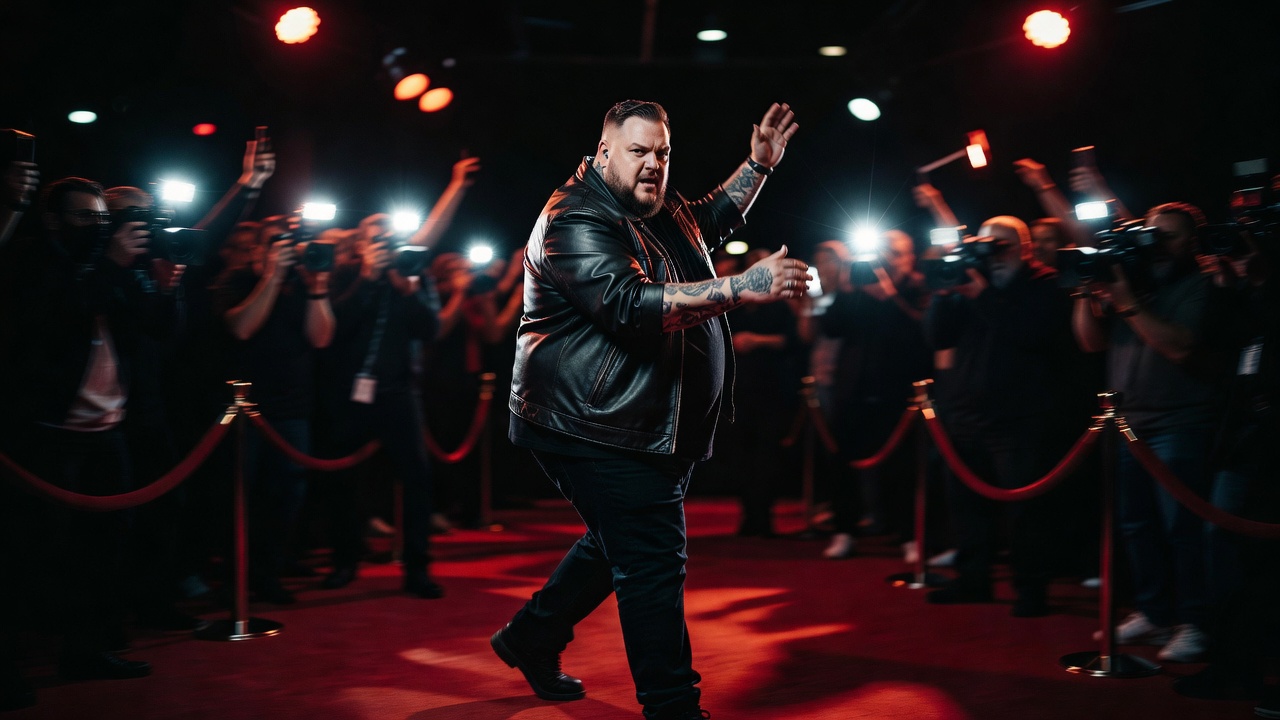
Jelly Roll’s latest controversy is no longer just about a few jokes or a bad appearance. His cancelled New Year’s Eve concert has now become part of a much bigger argument about cancel culture, creative freedom, and whether his audience is still willing to believe the image he sells.
The planned event at Jelly Roll’s Goodnight Nashville bar in Tennessee was reportedly scrapped after CBS and the event’s property and development partners backed away. That alone would be a serious career setback. Instead of treating it as a business decision, Jelly Roll appears to be presenting it as proof that artists are being punished for speaking outside the approved script.
What Jelly Roll Is Saying
At a recent Nashville appearance, Jelly Roll reportedly described the situation as an example of cancel culture targeting musicians who make political jokes or comments outside their usual work.
He also connected the issue to his Christian faith, his weight-loss journey, his time in prison, and his public redemption story. His argument seems to be that silencing him also deprives people of the healing power of music.
That is a dramatic claim. It also skips over the basic issue: criticism is not the same thing as censorship.
People are allowed to question an entertainer’s public image. They are allowed to decide that the jokes, politics, or branding no longer match what they expected from that artist. And companies are allowed to reconsider a televised event when the surrounding controversy becomes a liability.
Why the Backlash Keeps Growing
What bothers me is the repeated switch between apology and defiance. Jelly Roll can signal regret one week, reverse course the next, and then frame the resulting backlash as persecution.
That strategy may work for a while. Eventually, though, fans start feeling like they are being managed instead of respected.
The cancelled concert matters because it shows how quickly a controversy can spread beyond one television appearance. A performer can lose more than a few angry comments online. Networks, business partners, promoters, and audiences all begin asking whether the attention is worth the trouble.
That does not mean every criticism is fair. It does mean the consequences are real.
The Bigger Problem
Jelly Roll has built much of his public persona around transformation: prison, faith, weight loss, redemption, and second chances. Those parts of his story can be meaningful. But redemption is not a permanent shield against criticism.
The more he treats every complaint as an attack on his identity, the harder it becomes for fans to separate the genuine person from the carefully maintained brand.
I do not think this controversy ends with one cancelled New Year’s Eve event. The bigger question is whether Jelly Roll can stop turning every consequence into a persecution narrative. If he cannot, more opportunities may disappear before the audience even gets a chance to decide whether the music still works for them.
Subscribe to Game Pilled: https://www.youtube.com/@GamePilledBlog
Join the Based New Wave!


