
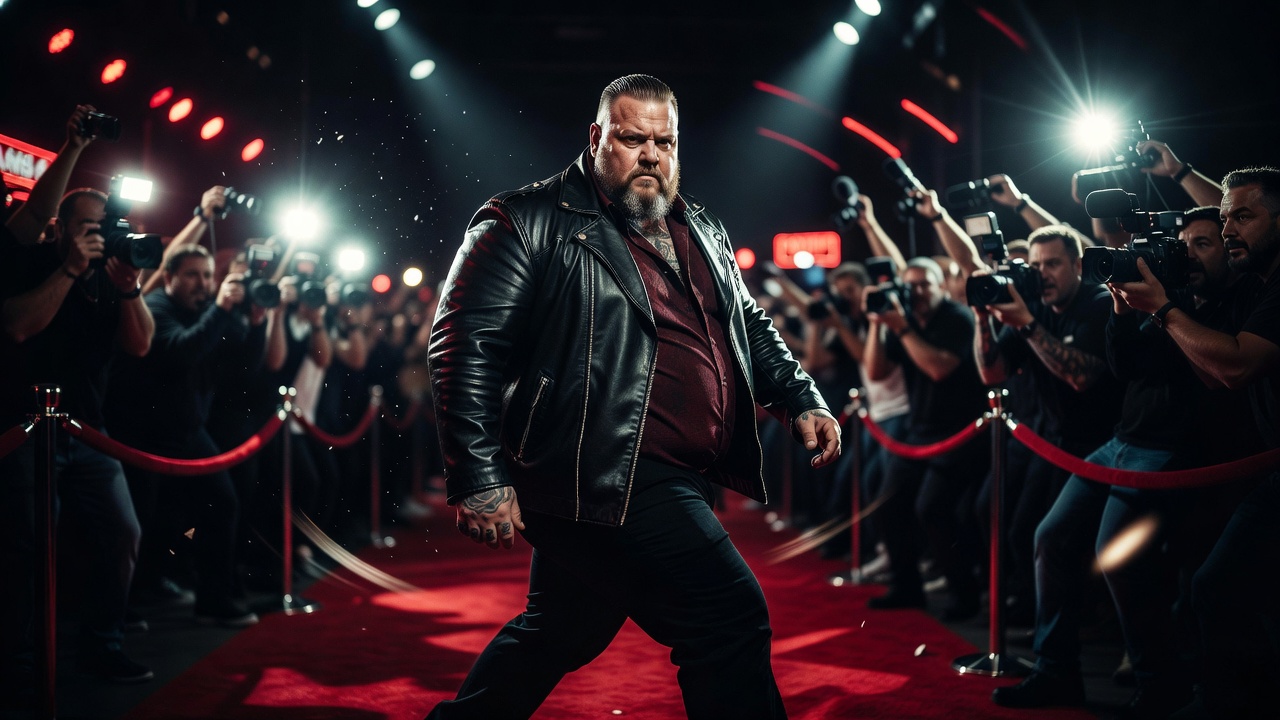
Jelly Roll is facing another wave of backlash after reportedly responding to WWE cancelling several planned appearances for the remainder of 2026.
The controversy began after his appearance on Jimmy Kimmel Live, where jokes about President Trump went viral. Instead of letting the story fade, Jelly Roll reportedly told unhappy fans to stop listening to his music and stop supporting him. That decision turned a television appearance into a much larger fight with the audience that built his career.
Now he is blaming “cancel culture.”
The WWE fallout
In his response, Jelly Roll called cancel culture a “filthy problem” and argued that he was being punished for making harmless jokes. He also said the backlash was interfering with his dreams outside music, including his long-standing interest in professional wrestling.
That is where this starts to fall apart.
WWE is a business. TKO Group Holdings is a business. If a performer becomes a liability, the company has every right to rethink an appearance. That is not some mysterious campaign to destroy an artist. It is a predictable reaction to a performer creating controversy and then escalating it.
Jelly Roll says he deserves kindness and respect. Fair enough. Everyone does. But respect from an audience is not a lifetime entitlement. It has to be maintained, especially when you are the one telling that audience to go away.
The victim routine is getting old
What bothers me most is the constant victim framing.
Jelly Roll reportedly described his critics as jealous people who lack the drive to build something themselves. He also attacked fans as fake supporters and told people criticizing him to “touch grass.” That is a strange way to rebuild trust with the people buying your music, attending your shows, and keeping your career alive.
Then there is the Christian branding. He says his treatment is not the Christian way, while dismissing critics as bullies and backstabbers. That contradiction is impossible to miss. You cannot demand grace from an audience while offering none in return.
And calling himself a country music star in the middle of this only makes the statement feel more self-important. Singers and songwriters do not need to announce their own status. The audience decides that.
This could have been avoided
The simplest move would have been silence.
Take six months off. Stop responding to every criticism. Do not insult the audience. Do not turn one bad appearance into a running argument with millions of people. Let the music speak and give the public something else to discuss.
Instead, Jelly Roll keeps doubling down. The original jokes are no longer the entire story. The bigger problem is the way he handled the backlash afterward.
That is why this feels less like a cancellation campaign and more like a crisis he keeps extending himself.
The WWE fallout may eventually pass, but fans are not going to forget being told to leave. Once an artist starts treating supporters like an inconvenience, winning them back becomes a much harder job.
Subscribe to Game Pilled: https://www.youtube.com/@GamePilledBlog
Join the Based New Wave!


