
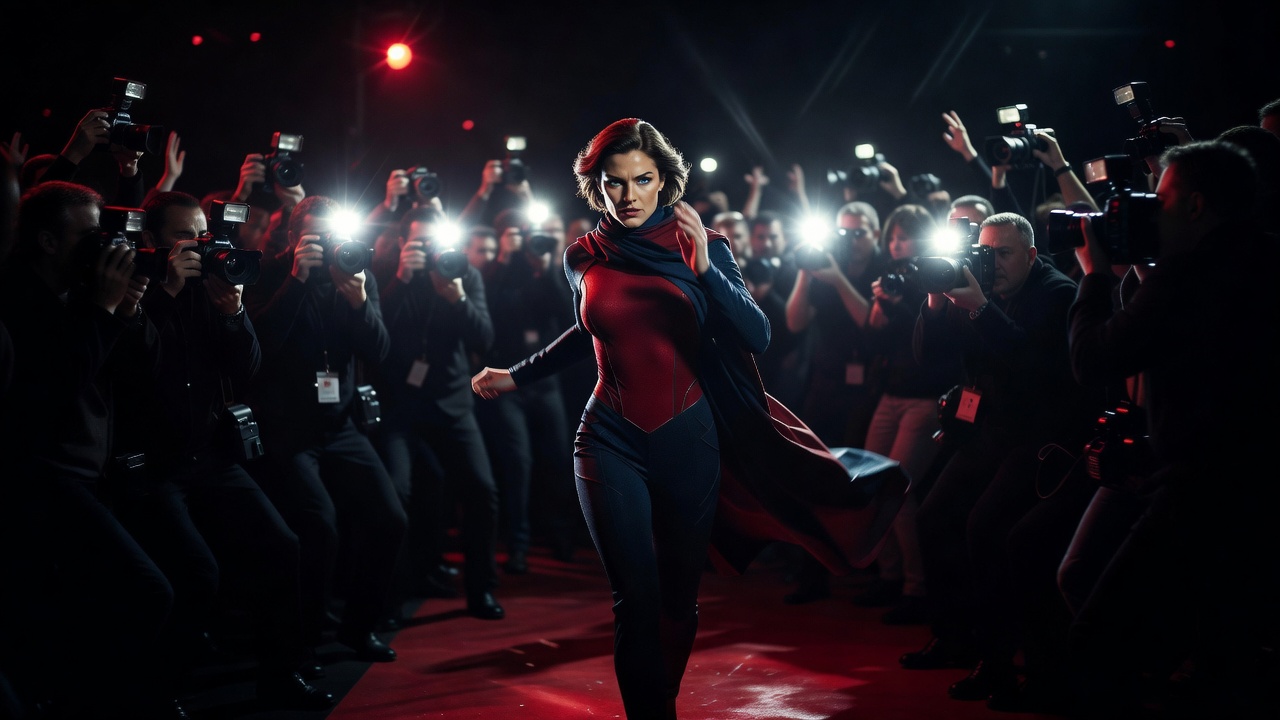
Supergirl was already in trouble. The box office was soft, the digital release failed to create a second wave, and the larger DCU conversation had turned from “new era” to “how bad is this going to get?”
Then Spider-Man: Brand New Day happened.
Marvel, Sony, and Disney watched Spider-Man explode past the billion-dollar mark worldwide, and suddenly every excuse around Supergirl looked a lot thinner. Because if the audience is supposedly done with superheroes, why did they just show up in massive numbers for another superhero movie?
What happened
According to the comments now circulating, James Gunn pushed back hard on comparisons between Supergirl and Spider-Man: Brand New Day, calling the matchup unfair and blaming “toxic fandom culture” for fueling the narrative.
At the same time, he reportedly admitted that Supergirl is not meeting expectations on digital and that he does not expect the movie to recover through the rest of its run. That matters, because this is no longer just about opening weekend spin. This is about the film failing to catch fire at multiple stages.
The bigger problem is the excuse being offered.
Gunn’s argument appears to be that Spider-Man does not disprove superhero fatigue because Spider-Man is an exception. In other words, audiences will always show up for Peter Parker, even if the story is weak.
I don’t buy that.
Why it matters
Spider-Man is a huge brand, obviously. Nobody serious is pretending otherwise. But brand power does not automatically create this level of momentum anymore. We have seen major franchises stumble when the writing is lazy, the characters are mishandled, or the audience feels lectured instead of entertained.
Brand New Day worked because people liked the movie. They talked about it. They recommended it. They came out of the theater feeling like they had watched an actual crowd-pleasing superhero story instead of another corporate identity seminar wearing a cape.
That is the part Hollywood keeps trying to avoid.
Superhero fatigue is not the issue. Bad superhero movie fatigue is the issue. Audiences are not tired of heroes. They are tired of being told that weak writing, unlikeable leads, smug messaging, and broken franchise planning are somehow their fault.
The bigger pattern
This is where Gunn’s defense starts sounding less like leadership and more like cope.
Instead of asking why Supergirl missed, the response seems to be aimed at explaining why the comparison is invalid. But the comparison exists because both movies are competing in the same audience economy. Fans only have so much money, time, and patience. If they reject one superhero film and embrace another, that tells you something.
It also raises questions about what comes next for DC.
Clayface is coming. Man of Tomorrow is on deck. Wonder Woman is already making fans nervous because of the creative names attached to it. If the answer to Supergirl underperforming is to double down on the exact instincts that turned people away, then DC has a much bigger problem than Spider-Man.
And bringing Supergirl’s creative direction into future projects is not going to calm anyone down.
Final take
Spider-Man did not wreck Supergirl because of some unfair social media narrative. Spider-Man exposed the excuse.
Fans still want superhero movies. They want heroes who feel heroic, stories that respect the audience, and characters written with confidence instead of insecurity. When studios give them that, they show up.
When studios miss the mark and then blame the people who noticed, they should not be shocked when the box office answers back.
Subscribe to Game Pilled: https://www.youtube.com/@GamePilledBlog
Join the Based New Wave!