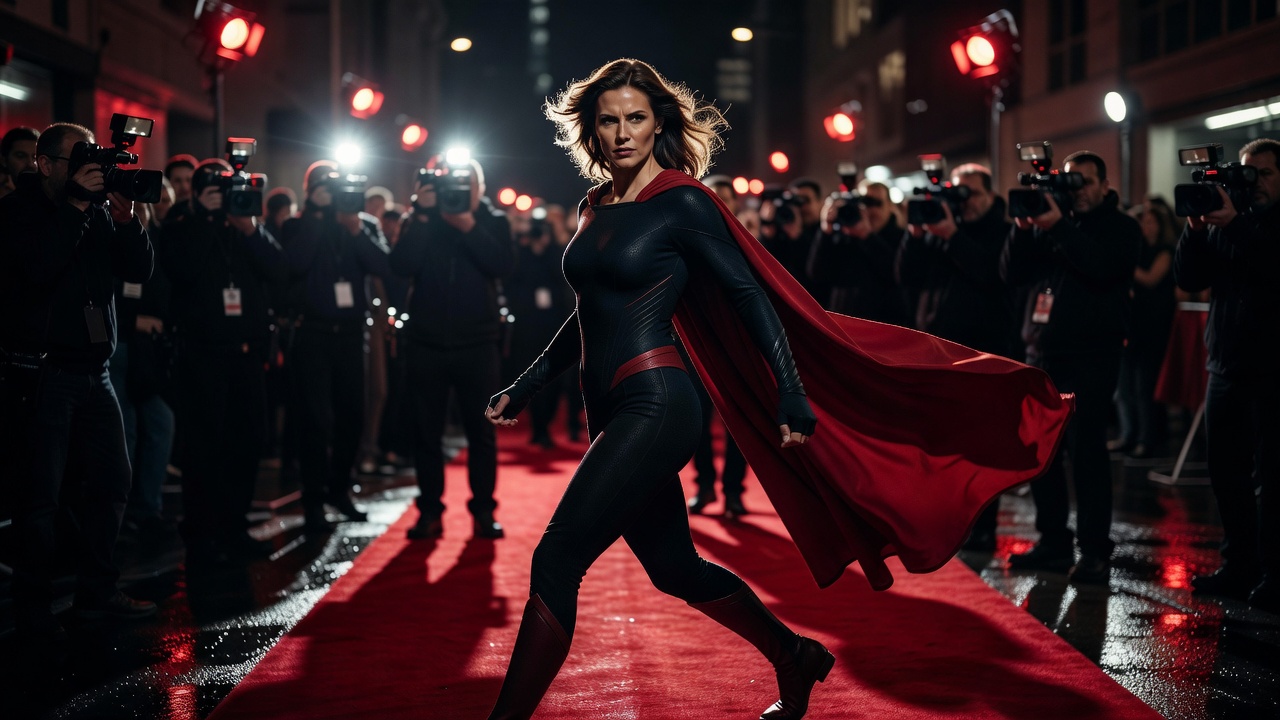
As of June 28, 2026, the conversation around Supergirl has shifted from hype to cleanup, and James Gunn’s latest response feels less like confidence and more like a studio trying to stop the bleeding.
I’ll be blunt: when a director or studio boss starts arguing that the backlash is just a “loud minority,” I usually assume they’re already losing control of the narrative.
That is exactly where James Gunn seems to be right now.
With Supergirl taking heat over its pacing, tone, screenplay, and that ending people can’t stop arguing about, Gunn reportedly jumped in to defend the film by brushing off critics and online outrage as noise from the same corners of social media that attacked Superman last year. The problem is that this defense never lands the way studios think it will. It almost always makes things worse.
Because once you start telling audiences that what they’re seeing with their own eyes is not real, you stop sounding secure. You start sounding rattled.
The Real Problem Is Not Just the Criticism
Studios can survive criticism. They do it all the time.
What they cannot survive is the mix of bad word of mouth, weak audience enthusiasm, and leadership panic all hitting at once. That is what makes this moment so ugly for DC Studios and Warner Bros.
The criticism around Supergirl does not look isolated. It looks layered. Some viewers are hammering the story. Others are stuck on the grim tone and the color grading. A lot of people seem genuinely baffled by creative choices that feel out of step with what they wanted from a Supergirl movie in the first place.
Then there is the ending.
Without pretending that spoilers are the whole story, I’ll say this: if your movie asks the audience to accept one moral position and then undercuts it minutes later with a violent payoff, people are going to talk. And not in the way the studio wants.
That is not “toxic backlash.” That is a normal audience reaction to a movie that looks confused about its own character.
Gunn’s Defense Feels Like a Tell
What jumps out to me most is Gunn insisting that most people love the film and that the criticism is overblown. Maybe he believes that. Maybe he has to believe that. But when a studio head starts arguing with the public in real time, it usually means internal nerves are already shot.
You can also feel the larger fear underneath all of this: the future of the DCU.
If Supergirl was supposed to reinforce momentum, the opposite may be happening. Every rough opening, every defensive quote, every awkward attempt to reframe the conversation makes the larger plan look less stable. And once fans start sensing instability, confidence drops fast.
That matters for Milly Alcock too. Fair or not, lead actors always end up carrying heat for decisions that started far above them. If the film underperforms, the fallout will not stop with Gunn. It will hit the cast, the brand, and the credibility of the whole reboot.
My Take
I think James Gunn made a mistake by going into open damage control this early.
If the film was connecting, he would not need to lecture critics, dismiss audience complaints, or frame the backlash as some fringe uprising. The movie would be speaking for itself.
Right now, it is not.
And that is why this story has moved beyond one rough weekend. This is starting to look like a stress test for DC Studios itself. If Warner Bros. was hoping Supergirl would calm the waters, they may have just found themselves staring at a much bigger storm.