
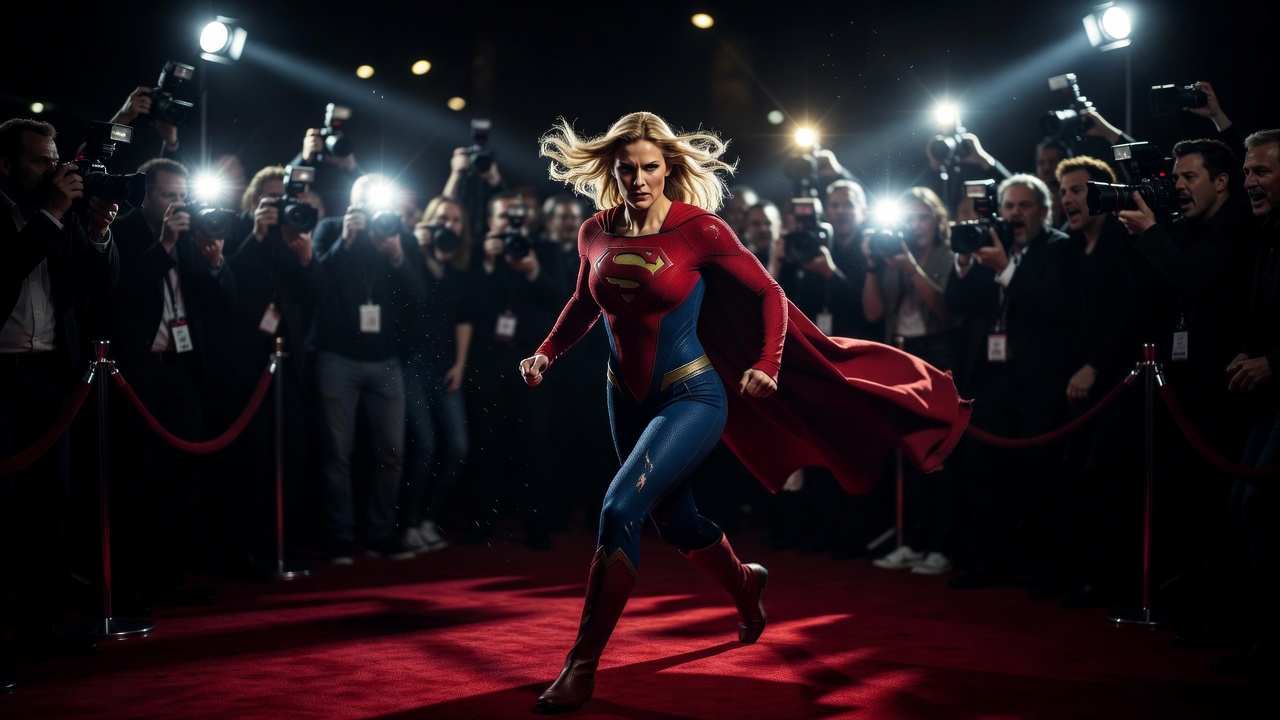
Supergirl has left theaters with the kind of box office stink Warner Bros. and DC Studios cannot spin away, and the digital release has not changed the conversation. If anything, it has made the contrast worse.
On one side, you have Spider-Man: Brand New Day breaking records and reportedly climbing beyond $2.1 billion worldwide. On the other, you have Supergirl, starring Milly Alcock, becoming another reminder that audiences are no longer buying a superhero movie just because a studio insists it matters.
What happened
The newest development is James Gunn shifting into damage-control mode after repeatedly lashing out at fans, critics, and even the broader online reaction to Supergirl. Gunn is now asking people to forgive him if his earlier comments were “too extreme,” while still arguing that the backlash was driven by trolls, keyboard warriors, misogyny, and sexism.
That is the strange part. The apology comes wrapped in the same accusation.
From what has been circulating, Gunn’s position is basically this: he had to defend the work, he had to stand up for the creators, and he had to call out the people he believes helped poison the movie’s theatrical run. He is also urging audiences to watch Supergirl on digital, streaming, or Blu-ray because he says it will matter for Kara’s role in Man of Tomorrow.
I don’t think that argument is going to land the way he wants it to.
Why it matters
The problem with Supergirl was not that audiences were terrified of a female hero. That excuse is exhausted. Fans have supported female-led action, sci-fi, and superhero stories plenty of times when the writing, casting, and character work were actually there.
The complaint here was simpler: people did not connect with the movie.
A lot of the criticism centered on Milly Alcock feeling miscast, the script lacking weight, and the story having no real hook beyond being another required stop in the new DCU rollout. That is not bigotry. That is audience feedback.
And when Hollywood keeps treating ordinary criticism like a moral failure, it only makes the gap wider.
The bigger pattern
This is the same studio playbook we have seen for years. A movie underperforms, fans explain why they rejected it, and the response from the top is not humility. It is a lecture.
Then, when the lecture backfires, the apology arrives. But it is never a clean apology. It is always, “Forgive me for how I said it, but I was right about you.”
That is what makes this Gunn situation so revealing. He wants forgiveness for going too far, but he still seems unwilling to accept that Supergirl may have failed because the movie itself did not work.
Meanwhile, Spider-Man: Brand New Day is sitting there as the brutal comparison. Audiences did not abandon superheroes. They abandoned superhero projects that feel forced, thin, or hostile to the people expected to pay for them.
Final take
If Gunn wants people to give DC another chance, begging them to watch Supergirl is not enough. He needs to stop treating fans like the obstacle.
The audience is not confused. The audience is not obligated. The audience showed up somewhere else.
And that is the part Warner Bros. and DC Studios should be paying attention to.
Subscribe to Game Pilled: https://www.youtube.com/@GamePilledBlog
Join the Based New Wave!