
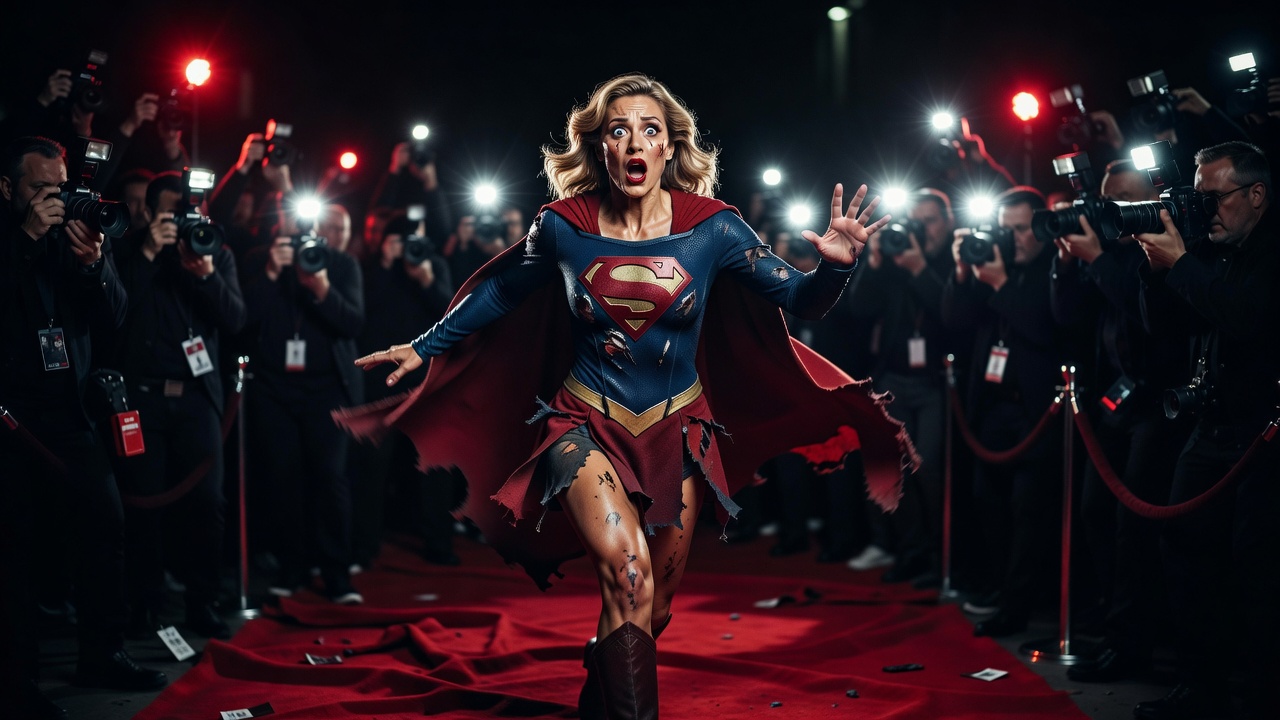
Warner Bros. Is Spinning Hard After Supergirl’s 78 Percent Box Office Crash
If you were looking for the moment the Supergirl mess stopped being a rough opening and turned into a full-blown studio panic, this was it.
A reported 78 percent second-week drop is the kind of number that sets off alarms fast, especially when the film was supposed to help stabilize DC’s future instead of making the whole operation look shaky. At that point, nobody in Burbank gets to pretend this is just “online noise” anymore. The audience has spoken with its wallet, and the answer was brutal.
What makes this even uglier is the reported aftermath inside Warner Bros. Instead of treating the collapse like a top-down failure in creative judgment, the studio appears to have pushed blame onto the marketing side. That includes the fallout from the Supergirl firings, with the marketing team reportedly removed from future DC work. And honestly, that tells me the same thing these situations always tell me: the people at the top still don’t want to admit the real problem.
The spin is the story now
The line coming out of the studio, at least from the version of events now circulating, sounds painfully familiar.
We’re hearing the usual corporate language about “creative adjustments,” “downsizing efforts,” and faith in the long-term vision. We’re also getting the standard fallback excuse that criticism is being distorted by social media, trade coverage, sexism, misogyny, or bad-faith online actors.
I’m sorry, but no. That dodge has worn out its welcome.
Studios keep reaching for the same script whenever a movie faceplants: blame the audience, blame the discourse, blame the critics, blame the internet, blame everyone except the people who actually greenlit the thing. It’s the Bob Iger playbook all over again. Dress up the failure in moral language and hope nobody notices the numbers.
The problem with that strategy is simple. Box office drops are not culture-war hallucinations. A 78 percent collapse is not “misinterpreted enthusiasm.” That is a rejection.
The real issue was the movie
I don’t buy the idea that Millie Alcock was the core problem here. Miscasting concerns are fair game, sure, but that is not what sinks a movie this hard by itself.
The bigger issue, based on the criticism surrounding the film, is the writing. The screenplay. The tone. The dialogue. The broader sense that this project was built on weak creative footing and then sold like it was untouchable. Audiences can smell that now. They know when they’re being told to clap for a brand instead of getting a story worth showing up for.
And once that happens, marketing can’t save you.
That is why firing the marketing team feels like classic studio cowardice. If the product didn’t connect, the answer is not to punish the people making trailers and posters while leadership keeps pretending the film was secretly loved by some invisible “silent majority.” That’s not analysis. That’s cope.
What this means for DC
The bigger danger here is not just one flop. It’s what this says about confidence inside DC Studios.
When the CEO is out there trying to calm everyone down while reported tension keeps building behind the scenes, it tells me this universe is still on unstable ground. You can say “trust the process” all day long, but audiences are done doing that on credit. They want proof. They want competence. They want a film slate that doesn’t immediately need excuses attached to it.
Right now, Warner Bros. looks less like a studio with a plan and more like a company trying to survive its own talking points.
And if week two was this bad, week three is not going to feel any kinder.
⚠️ 🛠️ print lines 1-220 from ~/.openclaw/workspace-penzi/memory/2026-07-06.md (agent) failed