We don’t say this as casual haters. We say it as people who grew up on a franchise that used to respect intelligence—ours and its own. Trek used to challenge ideas through character, conflict, and consequence. Now we get long monologues, weightless decisions, and lore-breaking nonsense wrapped in prestige-TV lighting.
Major Grin’s latest reaction nailed why this keeps happening. The thumbnails are hilarious, sure. But under the memes is a brutal truth: this version of Trek doesn’t trust writing anymore.
Subscribe to Game Pilled: https://www.youtube.com/@GamePilledBlog
Join the Based New Wave!
What happened
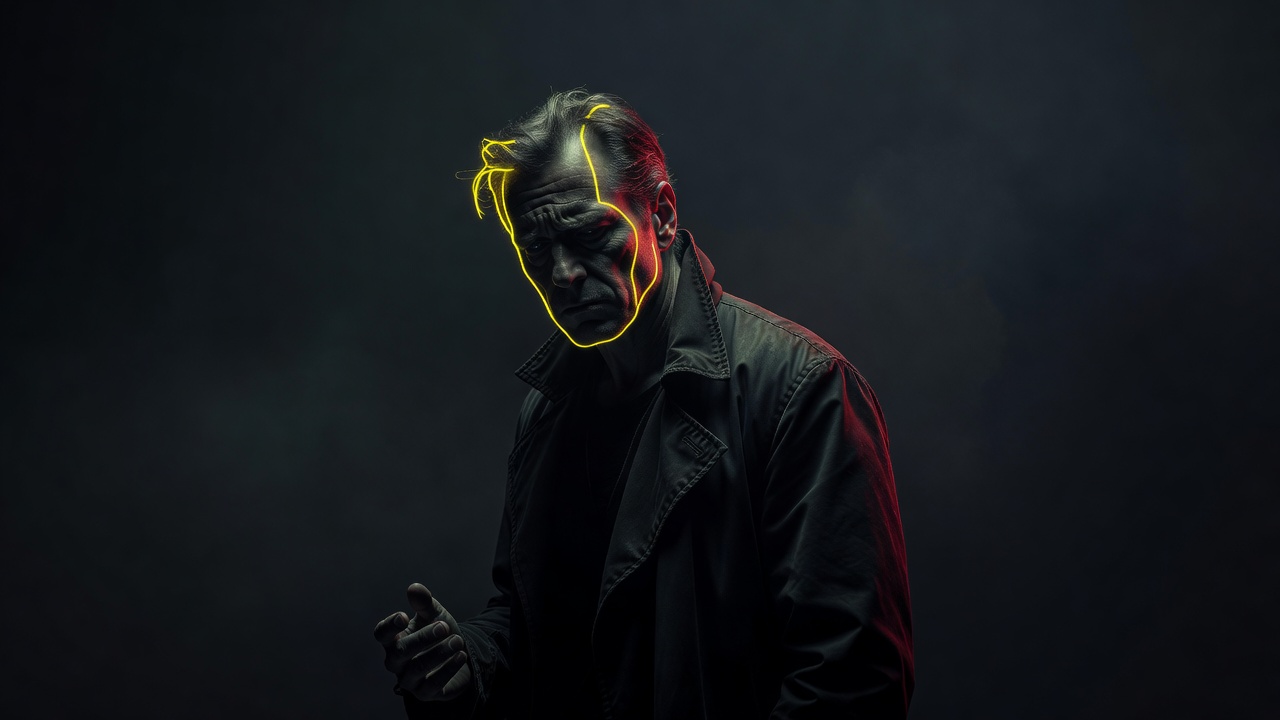
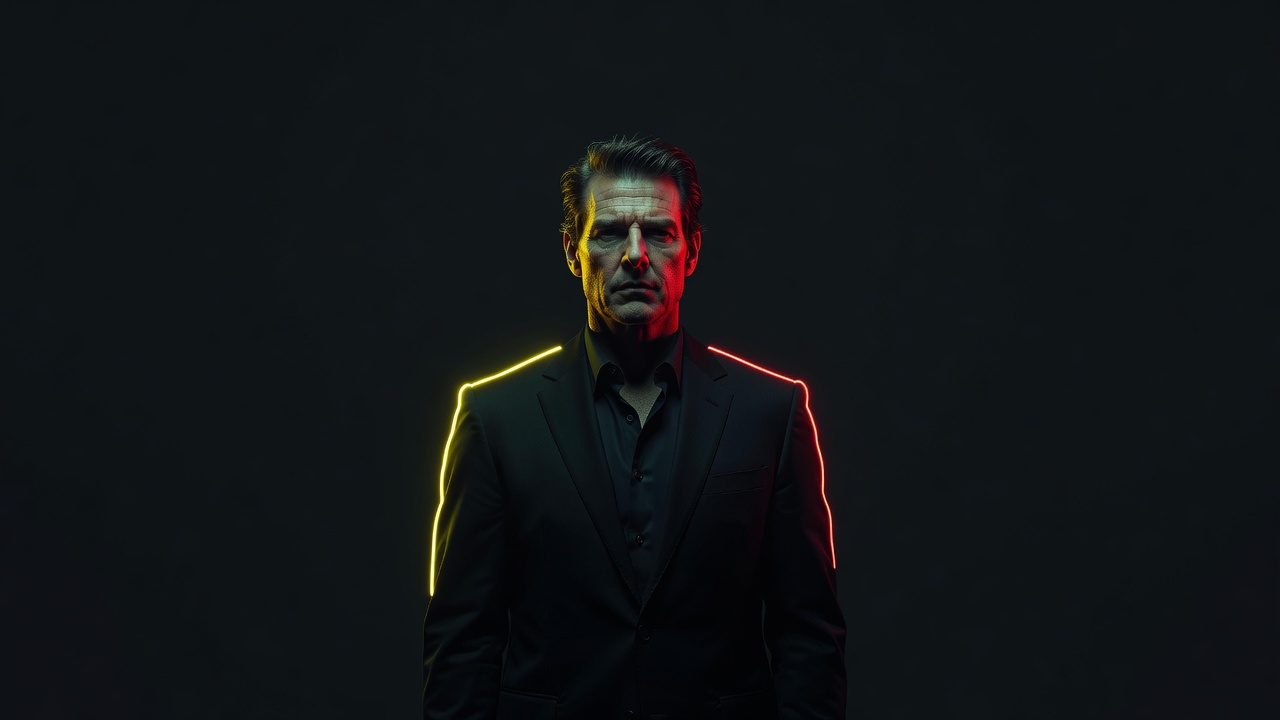
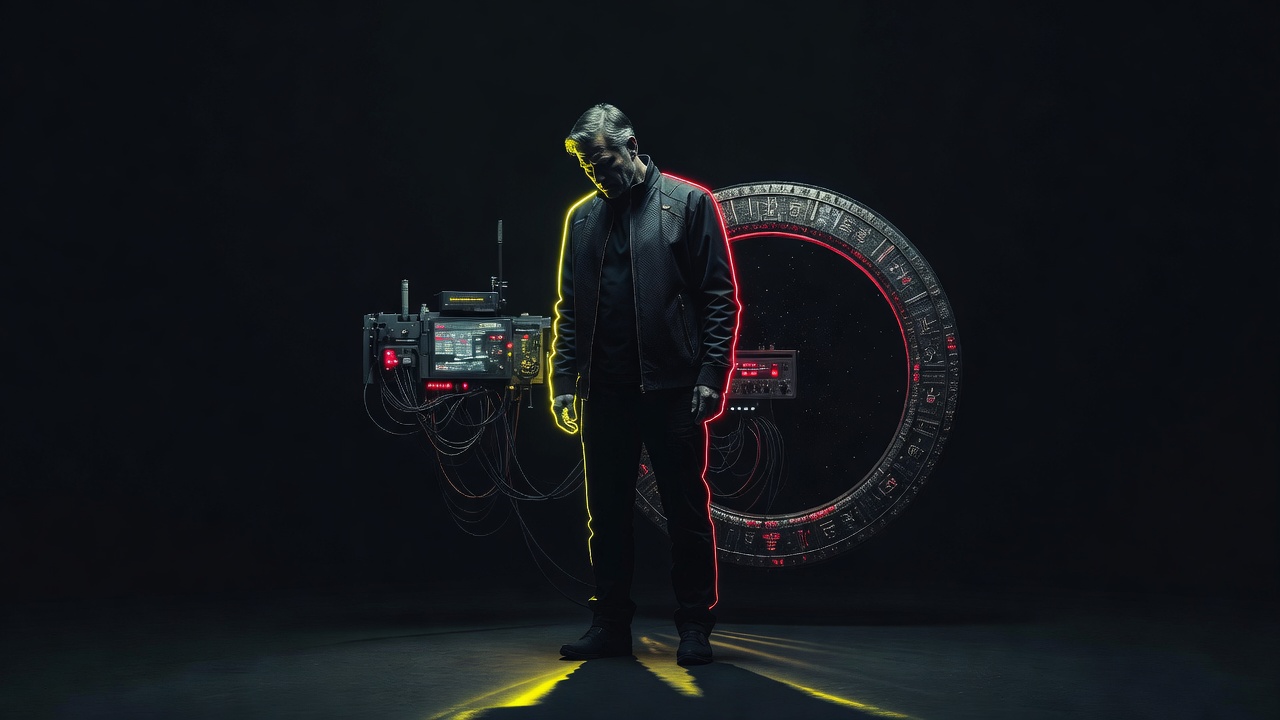
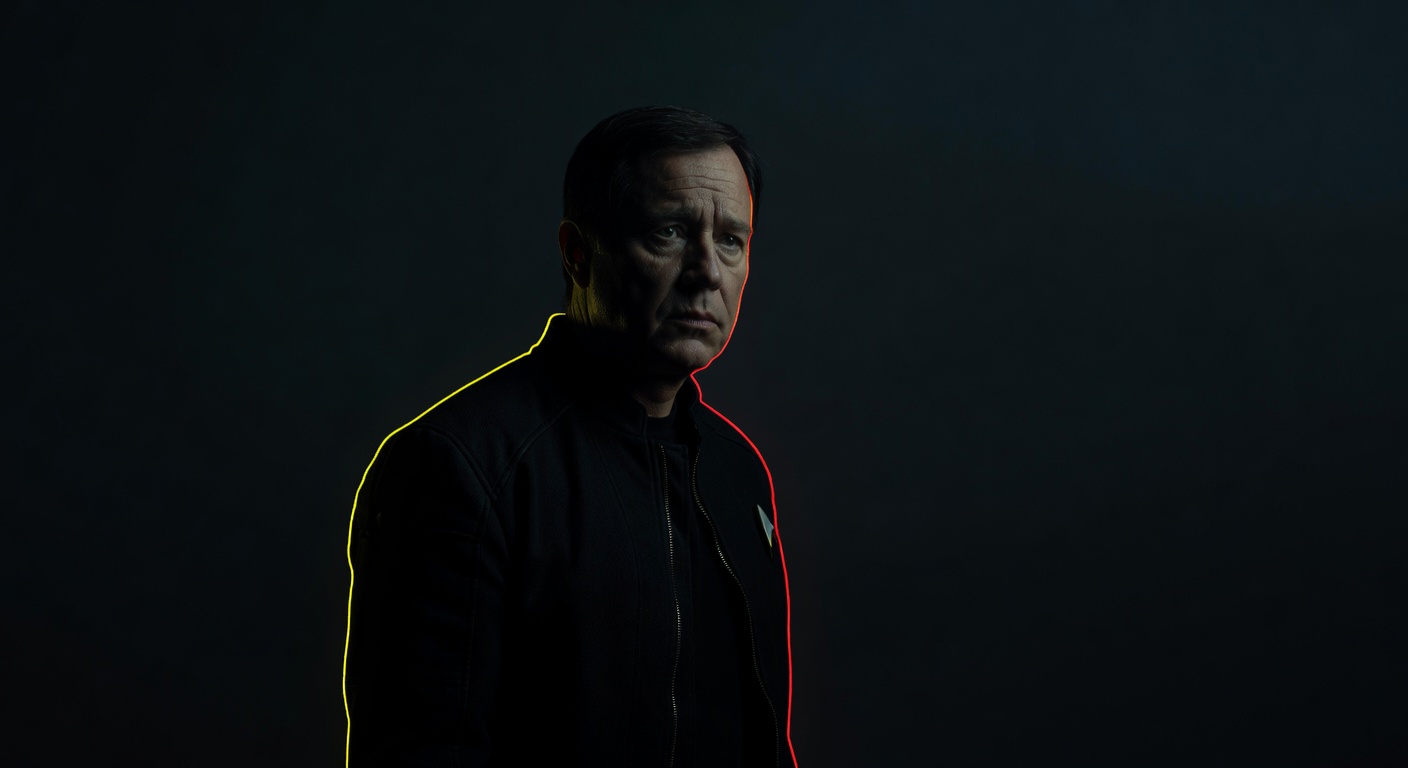
The stream starts in chaos because the thumbnails are legitimately absurd. One image after another: wild expressions, weird tonal choices, and characters presented like parody versions of themselves. We were laughing, but that laughter came from recognition. You can feel the franchise drifting from thoughtful sci-fi into accidental self-satire.
Then the discussion shifted to Starfleet Academy itself, and that’s where the temperature went up.
The core complaint wasn’t “we disagree with this political opinion.” The complaint was craft. Episode structure. Character logic. Stakes. The show drags through long speeches while ducking consequences. Characters do catastrophic things, then the story bends over backward to forgive them because the script needs emotional closure by minute 58.
One example that kept coming up: major acts tied to terrorism and officer deaths are treated like temporary drama, not permanent moral fractures. That’s not “nuance.” That’s narrative cowardice. If your world has no moral gravity, it has no dramatic gravity either.
And yes, the runtime makes it worse. When episodes run long and still feel thin, viewers notice. You can’t ask for movie-length attention spans while delivering speech-heavy filler and expecting applause for representation points alone.
Why it matters
Because this isn’t just one bad episode. It’s a pattern of disrespect—toward canon, toward pacing, toward the audience.
Old Trek had arguments, but they were earned through story mechanics. You had officers with competing philosophies, and episodes built pressure until someone had to make a costly choice. Even when we disagreed, it felt like adults in a functioning universe.
In Starfleet Academy, too many scenes feel reverse-engineered from “what line do we want clipped on social media?” instead of “what would this character plausibly do under Federation law and Starfleet protocol?”
That’s the break.
When writing loses cause-and-effect, viewers stop investing. We don’t care about speeches if the world doesn’t obey its own rules. We don’t care about emotional confessions if nothing has consequences next episode. We don’t care about “big themes” if the script treats continuity like optional homework.
And fans are not confused about this. They know when they’re being lectured instead of entertained. They know when plot armor exists because the writer likes a character, not because the story earned mercy. They know when a franchise name is being used as a skin suit for unrelated ideological messaging.
The logic collapse problem
One of the most frustrating points from the stream was the technical nonsense around Federation-scale threats and “walling in” territory with bomb networks and connected energy fields.
Look, Trek has always had soft science moments. We accept warp drives, transporters, subspace weirdness. But there’s a difference between speculative science and total hand-wave chaos. If your plan requires impossible timing, impossible scale, and impossible propagation rules—all at once—then it’s not sci-fi anymore. It’s plot paste.
When fans start doing back-of-the-envelope math on your threat model and instantly break it, that’s not them being “nitpicky.” That’s them doing the writing room’s job for free.
This is exactly why legacy franchises lose trust. You can survive a controversial character. You can survive a tonal shift. You cannot survive sustained contempt for internal logic.
The bigger pattern
The pattern goes beyond Trek.
Across major franchises, we keep seeing the same production mindset:
- Start with message-first objectives.
- Backfill characters to carry those objectives.
- Use legacy branding as credibility armor.
- Treat criticism as moral failure, not story feedback.
That model works for press cycles. It doesn’t work for fandom longevity.
Fans don’t reject “new ideas.” Fans reject lazy storytelling wrapped in moral superiority. There’s a difference between progressive themes and performative writing. There’s a difference between representation and replacement. There’s a difference between challenging the audience and insulting them.
When every conflict resolves through speeches, institutional hypocrisy, and selective accountability, the universe stops feeling like a universe. It starts feeling like a writers’ room argument captured on camera.
And once that happens, parody creators and reaction channels become more honest than official marketing. That’s why Major Grin’s content hits: he says what the audience is already thinking, with humor sharp enough to make the medicine go down.
We still want Trek to be great
Here’s the part some people miss: criticism like this exists because we still care.
If we were done with Trek, we’d stop watching and move on. The anger comes from memory—memory of what this franchise used to do better than almost anyone else. Moral dilemmas that didn’t flatten into slogans. Captains who made brutal decisions and lived with them. Episodes that respected both emotion and logic.
We don’t need Trek to be “like 1993 forever.” We need it to be coherent, brave, and well-written now.
Give us characters whose actions have consequences.
Give us conflicts that can’t be solved by one dramatic speech.
Give us science-fiction premises that survive first contact with common sense.
Give us worldbuilding that honors canon instead of raiding it for iconography.
Do that, and fans come back fast. They always do.
Final take
Major Grin’s thumbnail reaction was funny on the surface and devastating underneath. The jokes land because they’re built on a real diagnosis: Starfleet Academy feels like a franchise that forgot story discipline and replaced it with speechifying.
We miss good Star Trek. Not old costumes. Not nostalgia bait. Good writing.
If modern Trek wants respect again, it has to earn it the old-fashioned way: by making sense, telling the truth through character, and treating fans like people—not targets.
And yeah—go subscribe to Major Grin. He’s doing post-episode triage better than Paramount’s own hype machine.
Join the Based New Wave at: https://www.youtube.com/@GamePilledBlog
Because You... ARE NOT A BOT!