Hope - Movie Review
There is a simple rule for surviving the apocalypse: maintain your cardio. Hope appears to understand this immediately. Unfortunately, the movie is less interested in following simple rules than in throwing its characters, genres, and loose plot threads into a blender and seeing what comes out.
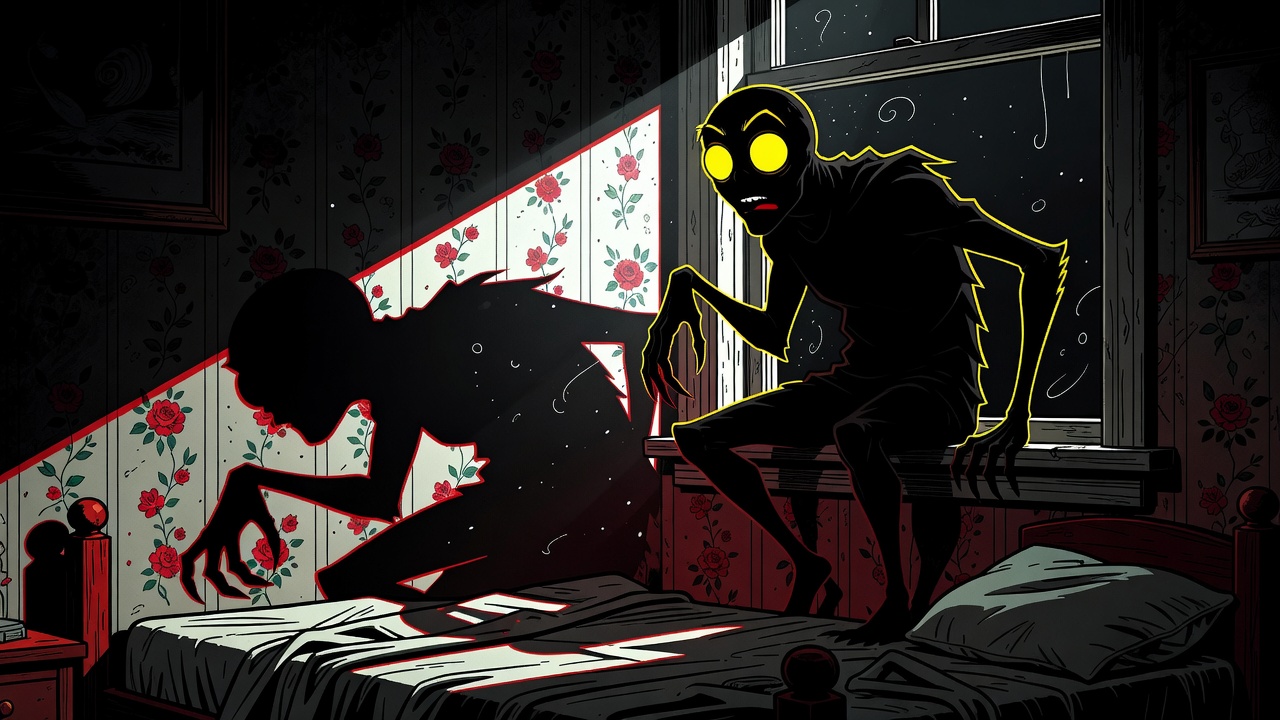
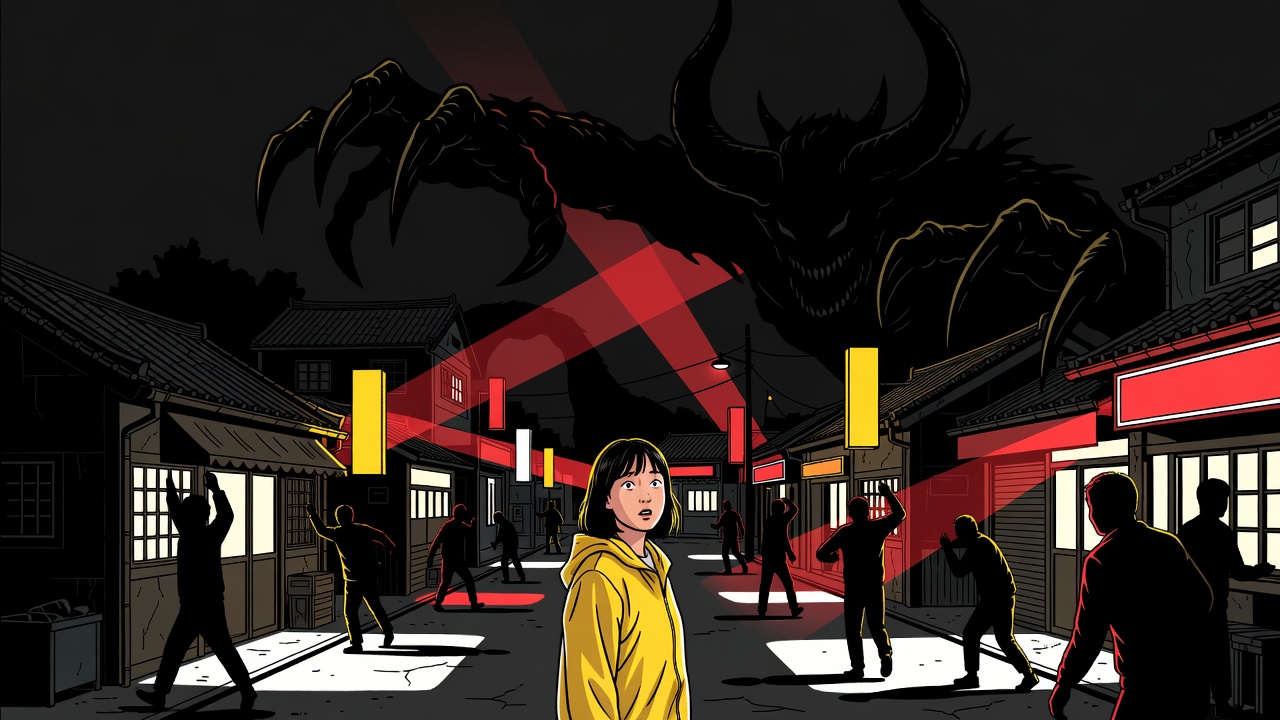
This South Korean action-horror film begins with a small town facing an impossible threat. Something enormous has killed a cow, and the local police are called to investigate. It is not a tiger. It is not a bear. It is not even the sort of thing that can be handled with a stern warning and a registered firearm.
It is a something. And this something is tearing through the town.
The mystery works—until it doesn’t
The first stretch of Hope is easily its strongest. The movie gets moving quickly, which is both a blessing and a problem. We are thrown into the aftermath of attacks before we have much sense of who these people are or why their deaths should matter. The town is clearly meant to feel like one of those interconnected Stephen King communities where everybody knows everybody, but Hope does not always give us enough time to build those connections.
Still, the lack of information creates tension. For much of the first act, the main character is dealing with destruction rather than confronting the creature directly. Cars are smashed. People disappear. The evidence keeps piling up. Whatever is doing this is big, angry, and apparently having a very productive day.
The film also plays games with what the characters can see versus what the audience can see. Someone will point toward the monster, the camera will turn away, and we are left watching the consequences instead of getting a clean look at the threat. It is an old trick, but it works here. Hope understands that a car flying into another car can be plenty frightening without immediately introducing the digital beast responsible for it.
Eventually, of course, the movie shows us the monster. That is where the spell starts to weaken.
The monster looks like it escaped a console demo
The CGI is not merely obvious. It has a strangely specific video-game quality, as though a PS3 cutscene wandered into a live-action Korean thriller and refused to leave.
That sounds like a deal-breaker. It is not quite one. The effects improve as the movie continues, and the action surrounding the creature is often strong enough to compensate. When Hope is focused on frantic escapes, chaotic firefights, and people hanging out of moving vehicles, it has real energy. The movie knows how to stage mayhem.
There is a difference between bad effects ruining a film and bad effects revealing the limits of a film. In Hope, the CGI mostly reveals the limits. The characters are compelling enough, and the action is entertaining enough, that I could forgive the monster looking like it needed a firmware update.
That forgiveness has limits, though. A film this long cannot keep asking the audience to overlook every rough edge simply because something exciting is happening in the foreground.
Two hours and forty minutes of “wait, what?”
At 160 minutes, Hope is not a movie that believes in leaving before the party gets interesting. It keeps expanding, shifting gears, and introducing new ideas long after the central premise has already been established.
The genre-hopping is often enjoyable. This is horror, action, science fiction, dark comedy, and occasionally something more cerebral. The problem is that the movie’s plot begins to feel like it is changing genres along with the characters. One minute, Hope is building a thoughtful mystery about the nature of the threat. The next, it is back to gunfire and vehicular destruction. Then it arrives at an ending that seems to assume I remember an explanation the movie never properly gave me.
There are questions that a movie should leave unanswered. Mystery is not automatically a flaw. But Hope does not always leave questions hanging because it wants the audience to think. Some of them feel more like plot threads that were simply misplaced during the third rewrite.
The film has a solid “why,” or at least the foundation of one. That is what makes the unresolved material so frustrating. There is a potentially fascinating idea beneath all the carnage, but the movie seems more eager to get back to the next firefight than to finish developing it.
And yes, I enjoy a good firefight. I am not asking for a lecture between every explosion. I am asking for the story to remember what it was talking about.
The cast keeps the chaos watchable
The performances do a lot of work. The police officer at the center of the story gives the film a grounded point of view, while the supporting characters help turn the town into something more than a collection of targets waiting to be flattened.
There is also a recognizable face from Squid Game, which should please viewers who enjoy spotting familiar actors in unfamiliar disasters. The movie does not depend on that casting, but it is a welcome bit of connective tissue for anyone who remembers the first season.
What matters more is that the characters are easy enough to root for. They may not all receive the development they deserve, but they are not walking plot devices. When the action gets ugly, Hope has enough personality in the room to make the danger matter.
The film’s gun handling is another story. Characters point weapons around with the casual confidence of people who have never heard the phrase “trigger discipline.” The firearms are treated as instruments of immediate problem-solving, which makes sense for the movie’s frantic pace but occasionally makes the cops look like they were trained by action-movie leftovers.
Final take
Hope is an entertaining mess. The action is frequently vicious and inventive, the cast gives the chaos some human weight, and the early decision to keep the monster mostly out of sight creates genuine suspense.
But the film is too long, too willing to abandon its own ideas, and too dependent on effects that sometimes look like they were rendered during a lunch break. By the end, the movie has hopped across so many genres that I was not sure whether I was watching a deliberate tonal experiment or several different scripts fighting for control.
I had a good time. I also spent a lot of that time wondering when the movie was going to resolve the things it kept asking me to care about.
Verdict: 6/10. Hope is worth watching for the action and atmosphere, provided you are willing to accept that some of its biggest questions may never receive a satisfying answer.
Subscribe to Game Pilled: https://www.youtube.com/@GamePilledBlog
Join the Based New Wave!