There was a version of this show that should have been untouchable.
A faithful Harry Potter TV adaptation, more time for the books to breathe, better room for side characters, longer arcs, richer worldbuilding — that pitch sells itself. It should have been one of the safest bets in modern franchise TV. Instead, HBO has managed to take a layup and turn it into a rolling controversy machine.
And the worst part is that the actual damage control keeps making the situation look worse.
What happened
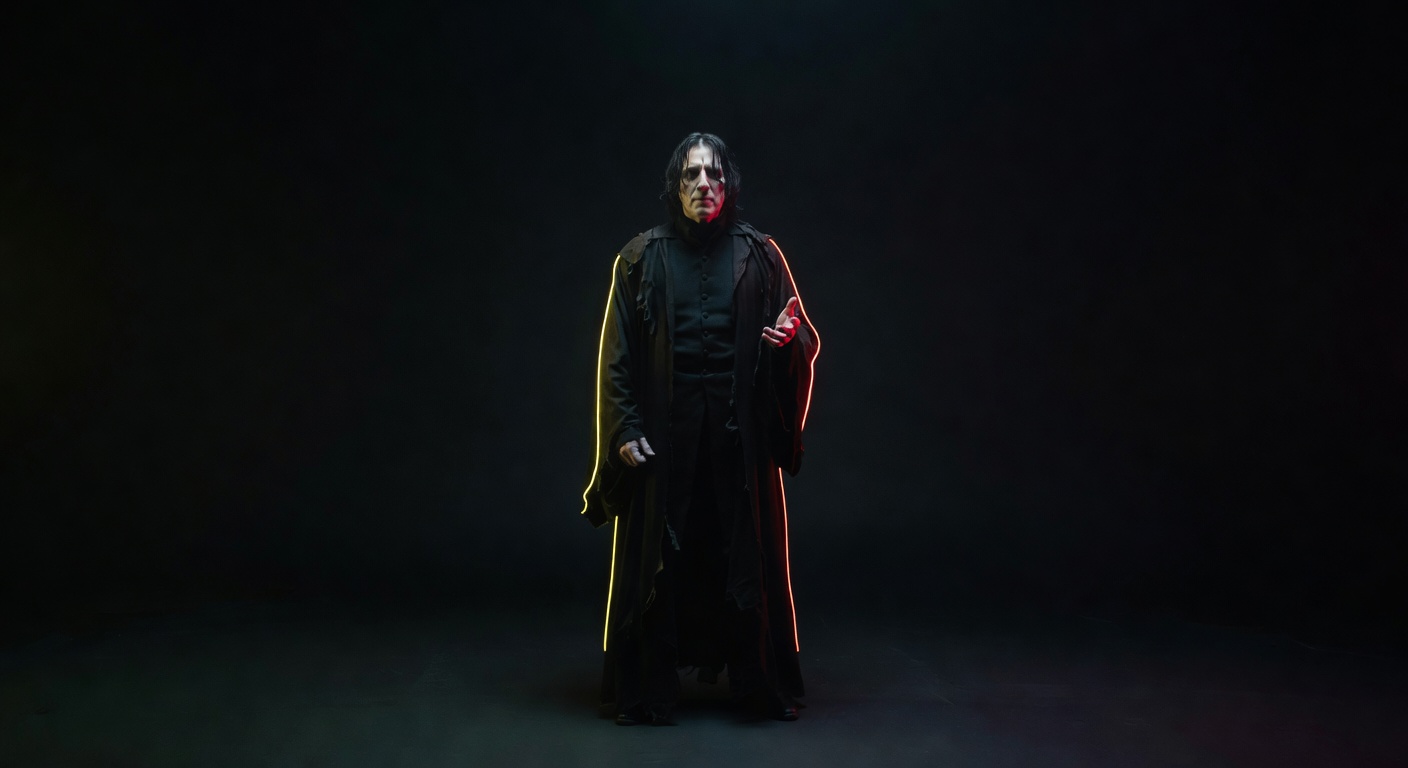
The core problem is not complicated. Fans saw the Snape casting and immediately understood what it signaled: this is not just a straight adaptation trying to bring the books to life with more detail. This is another prestige-franchise reboot arriving with a “trust us” attitude while quietly rewriting the visual and thematic logic that people already know by heart.
That is why the backlash hit so hard.
Studios always pretend these reactions come out of nowhere, as if audiences are just randomly unreasonable. But fans usually know the difference between a change that feels organic and a change that feels ideological, calculated, or designed to provoke. And once people decide it is the second kind, every follow-up interview, behind-the-scenes feature, and cast quote gets filtered through that suspicion.
That is exactly where HBO is now.
Instead of calming things down, the promotional rollout has only sharpened the sense that the studio knew this would be divisive and moved ahead anyway. The early positioning feels less like confidence and more like preemptive narrative management: frame dissent as predictable outrage, imply critics are overreacting, and move the conversation away from whether the creative choice actually serves the story.
That tactic has become so common that audiences can spot it instantly now. And when people can smell the strategy, it stops working.
Why fans are reacting this strongly
This is not just about “change is bad.” That is the lazy studio reading of the situation.
Snape is one of the most loaded characters in the entire series. He is cruel, bitter, vindictive, emotionally stunted, and deeply tied to the social texture of Harry’s world. He is not a neutral slot in the cast list. He carries a lot of the story’s moral tension on his back, and a lot of that tension depends on how the audience reads his hostility toward Harry, his history with James, and the ugly personal baggage he drags through the series.
When you alter a character like that in a highly visible way, you are not making a cosmetic tweak. You are changing the audience’s interpretive frame before the first episode even airs.
That is why so many fans see this as the worst possible race-swap in the franchise. Not because they are incapable of handling any difference, but because this specific character’s nastiness, spite, and personal cruelty are central to how the story functions. Once that changes, whether HBO intends it or not, other dynamics around him change too.
And once fans start asking whether the show will sand down Snape’s roughest edges to compensate for that tension, the trust problem gets even bigger.
The “reimagined” red flag
If there is one word franchise fans have learned to fear, it is “reimagined.”
Not because every reinterpretation is automatically bad, but because studios love using that word right before they start adding material nobody asked for, flattening difficult characters, and congratulating themselves for “updating” a story that worked perfectly well before they touched it.
That language has already started creeping into the Harry Potter rollout, and fans noticed immediately.
A faithful adaptation does not need to sell itself as a reimagining. A faithful adaptation says: here are the books, now with more time, more detail, and a bigger canvas. Simple. Clean. Appealing. The second you start hearing about all the things happening “in the wings” or all the places the show can now expand, alarms go off. Because fans have seen this movie before.
That is how you end up with prestige TV versions of beloved IPs that keep the brand name, keep a few familiar visuals, and then quietly rebuild the moral architecture from the inside out.
Maybe HBO thinks that kind of language sounds ambitious. To the audience, it sounds like a warning label.
The trailer reaction matters more than the spin
The other big problem for HBO is that the backlash does not look contained.
Normally, a franchise this large can absorb online complaints. A few angry threads, a few viral posts, a few YouTube meltdowns — none of that necessarily means much. But when a trailer for something as massive as Harry Potter starts drawing unusually visible negative energy, you no longer get to wave it away as a fringe issue.
That matters because Harry Potter is not some half-dead property being kept alive by brand inertia. This is still one of the healthiest franchises in entertainment. It should not be limping out of the gate. It should be generating excitement on muscle memory alone.
Instead, the conversation is getting dragged toward distrust, factionalism, and the same kind of poisoned fandom atmosphere that has wrecked other major IPs over the last decade.
That was the most predictable outcome in the world, and HBO walked right into it.
The bigger pattern
This is the part studios never seem to understand: audiences are not just reacting to one casting decision. They are reacting to a pattern.
They have watched too many franchises get “updated” by people who seem more interested in reframing the audience than serving the material. They have watched too many PR campaigns treat criticism as a pathology. They have watched too many beloved worlds become lecture vehicles, prestige cosplay, or executive ego projects with expensive lighting.
So now, when fans hear “reimagining,” when they see a controversial choice presented as obviously enlightened, when they notice the early victim-narrative PR angle warming up before the product even arrives, they do not give the studio the benefit of the doubt anymore.
That trust is gone.
And once it is gone, every little thing gets read as confirmation. The dark, moody promotional footage. The polished behind-the-scenes package. The careful interviews about legacy and scope. None of it reassures people. It just makes them more certain that the people in charge are trying to manage optics instead of winning them over with the work.
Final take
HBO could have made the easiest hit in the world: adapt the books cleanly, cast with care, stay out of its own way, and let Harry Potter print money.
Instead, it chose the modern franchise playbook — provoke, spin, reframe, reassure, and insist the audience is the unstable variable in the equation.
That is why this rollout feels so shaky already. Not because fans cannot handle adaptation choices, but because they can see the larger pattern forming before the first season even lands.
And when the cleanup campaign feels more artificial than the controversy itself, the message gets pretty simple: this is not a franchise revival. It is another test case in how much audience goodwill a studio is willing to burn in exchange for a “reimagined” headline.
That trade usually ends badly.
Subscribe to Game Pilled: https://www.youtube.com/@GamePilledBlog
Join the Based New Wave!