By Elliot Kaufman
There are bad first impressions, and then there’s whatever Disney is doing right now under Josh D’Amaro.
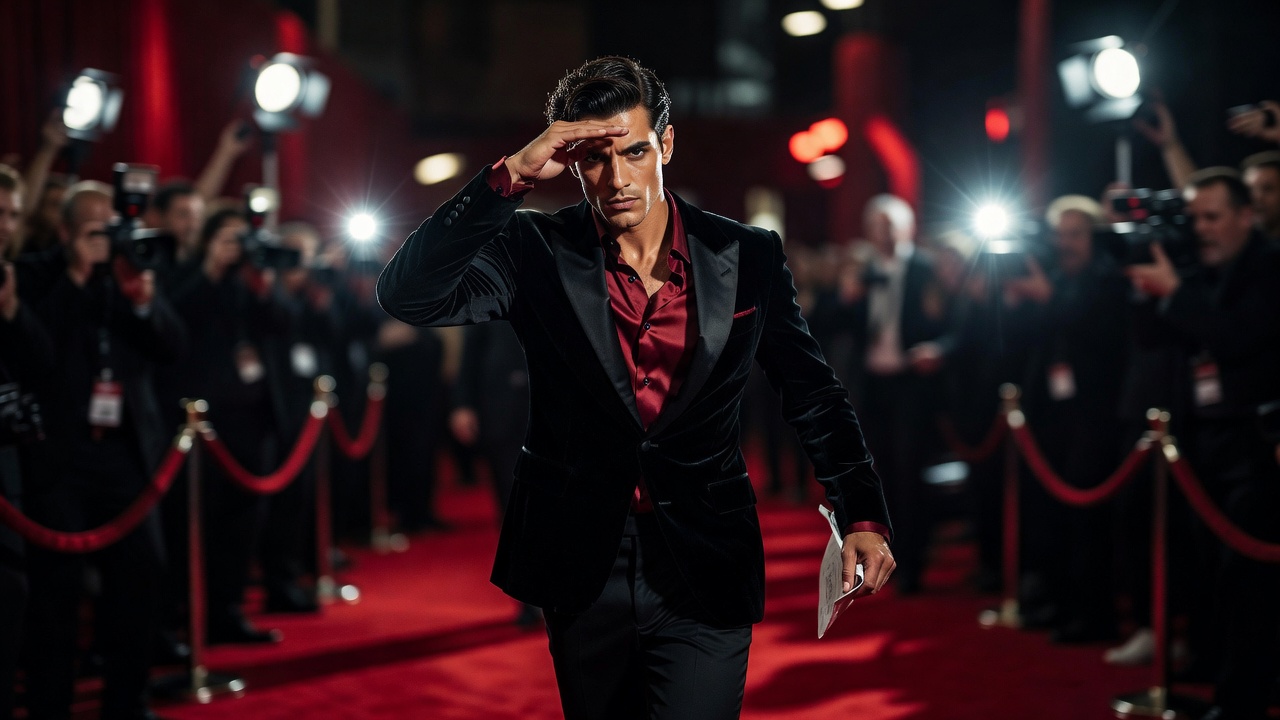
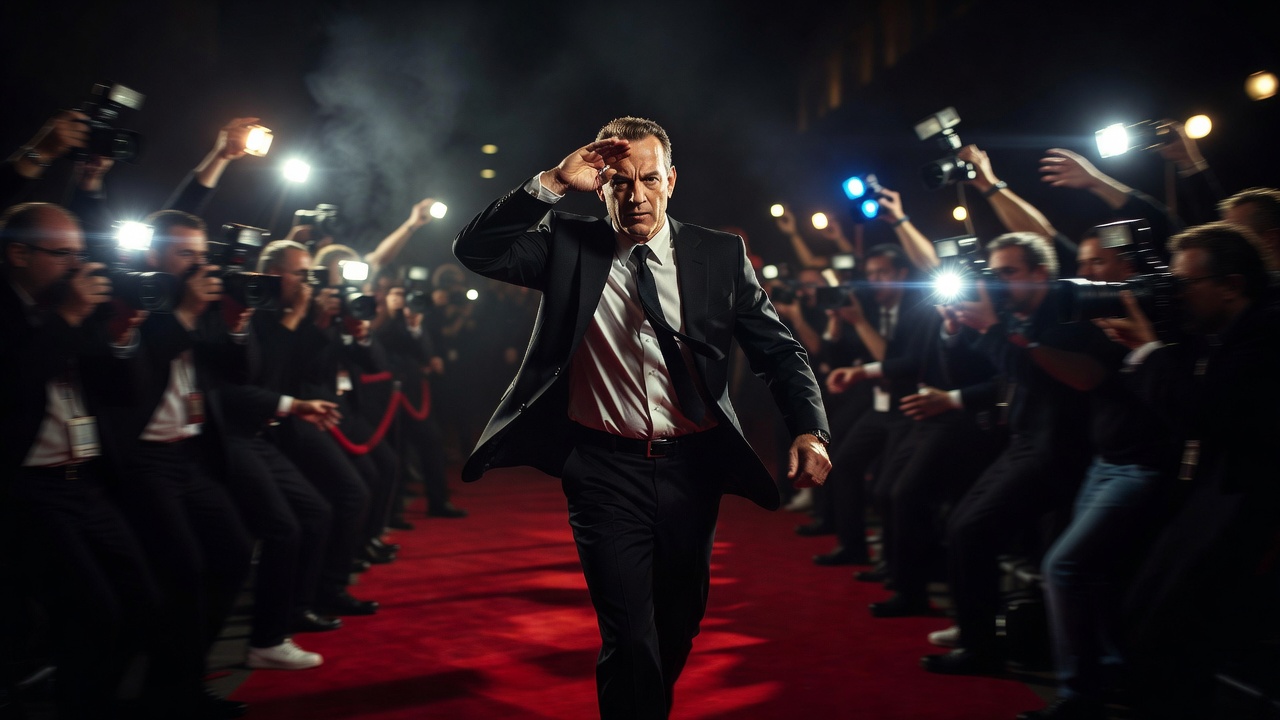
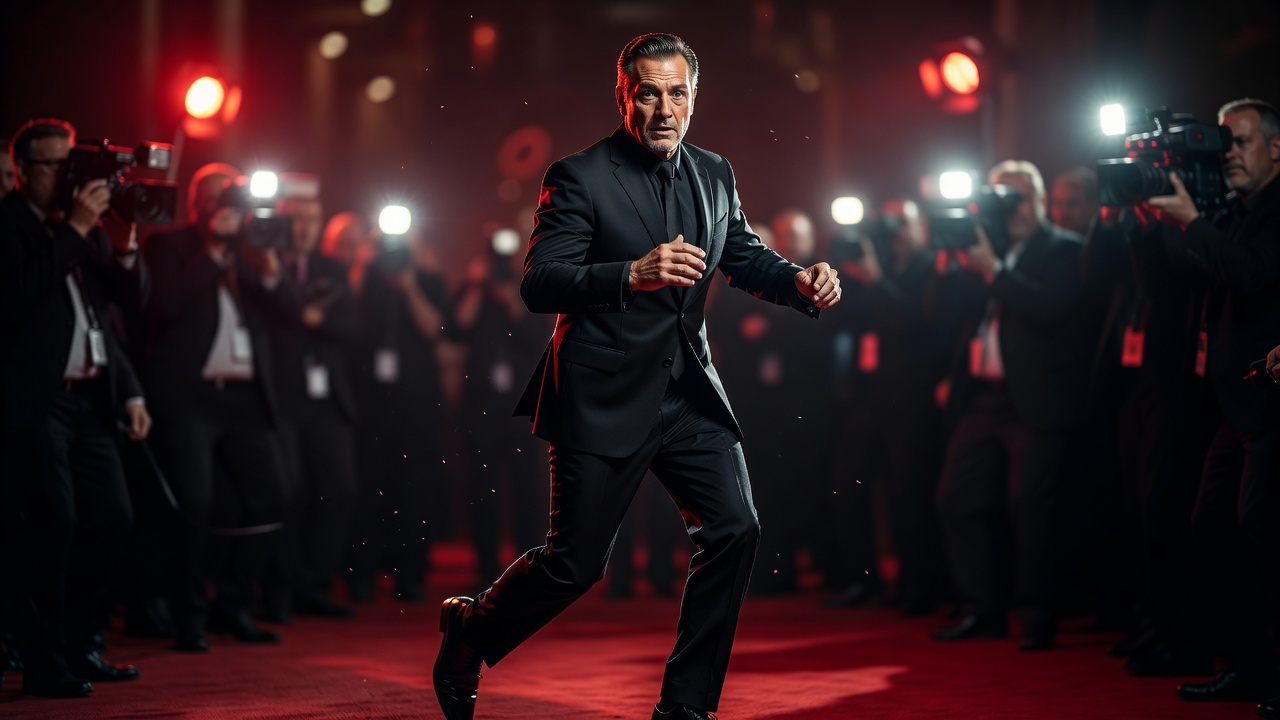
A viral narrative is blowing up online that Disney’s new CEO was confronted over layoffs, pressed by reporters, and then rushed out of the moment instead of standing there and taking the heat. Whether every version of that clip is being framed fairly or not, the bigger issue for me is simpler: the public is clearly ready to believe Disney’s leadership would dodge tough questions. That tells you everything about where the company’s credibility sits in 2026.
And honestly, can you blame people?
D’Amaro walked into the top job already carrying a massive burden. Disney is not coming off a position of strength. The company has been dealing with weak audience trust, brand fatigue, expensive franchise stumbles, and internal chaos that never really seems to go away. Then came the layoffs. Reports around April said Disney was cutting roughly 1,000 jobs, with many of the reductions tied to marketing and media operations. That alone guaranteed outrage. You do not fire that many people and then expect the public to politely move on because corporate language says the company is “streamlining operations.”
Nobody hears “streamlining.” People hear, “real workers are paying for executive mistakes.”
That is the part Disney never seems to understand. The financial story is one thing. The human story is another. If you are the CEO, you don’t get to hide behind sterile wording and carefully staged appearances. You’re supposed to own the moment. You’re supposed to explain why the cuts were necessary, what failed before you got there, what changes now, and why anyone should trust you not to do this all over again in six months.
Instead, Disney keeps giving off that same familiar energy: deflection, insulation, and PR-managed distance.
That is why this moment is landing so badly.
Even if you put the viral spin aside, the optics are still a disaster. A company that has spent years lecturing audiences, overmanaging its brands, and acting like criticism comes from people too stupid to understand its genius now wants sympathy while cutting jobs and asking investors for patience. Sorry, but no. That trade no longer works. People are tired. Fans are tired. Employees are tired. Even investors sound tired.
And D’Amaro, fairly or unfairly, now owns that exhaustion.
What makes this more embarrassing is that Disney did not need another polished executive figure gliding past a rough headline. It needed somebody who looked like they actually understood the anger. Somebody willing to stand in front of the cameras and say: yes, this is ugly, yes, people got hurt, and yes, leadership has to answer for the culture that brought us here.
That kind of candor is rare in corporate America. At Disney, it feels almost forbidden.
So when people see a clip and think, “there goes another executive running from accountability,” it sticks because it fits the pattern. That’s the real problem for Josh D’Amaro. He’s not just fighting layoffs or bad press. He’s fighting a trust deficit so deep that the worst interpretation of his behavior feels believable on sight.
That’s a brutal way to start a CEO era.
And if this is what the opening chapter looks like, Disney’s image problem is still a lot bigger than any one round of job cuts.