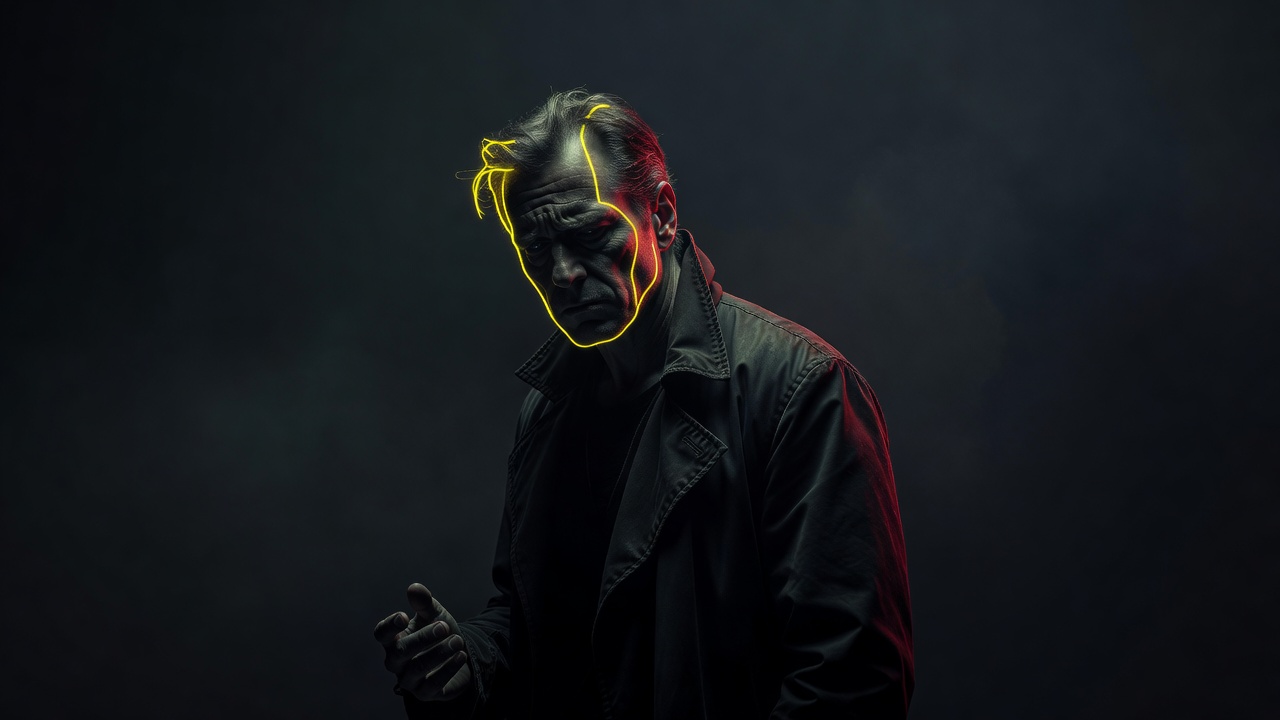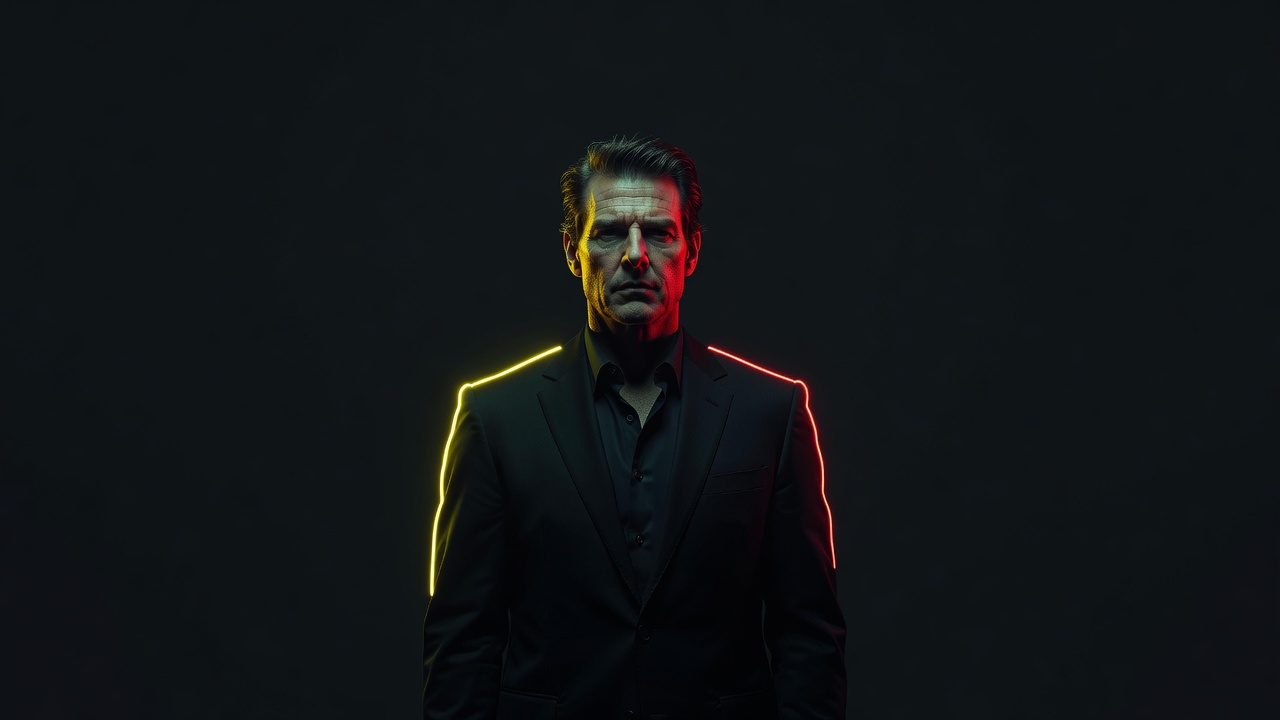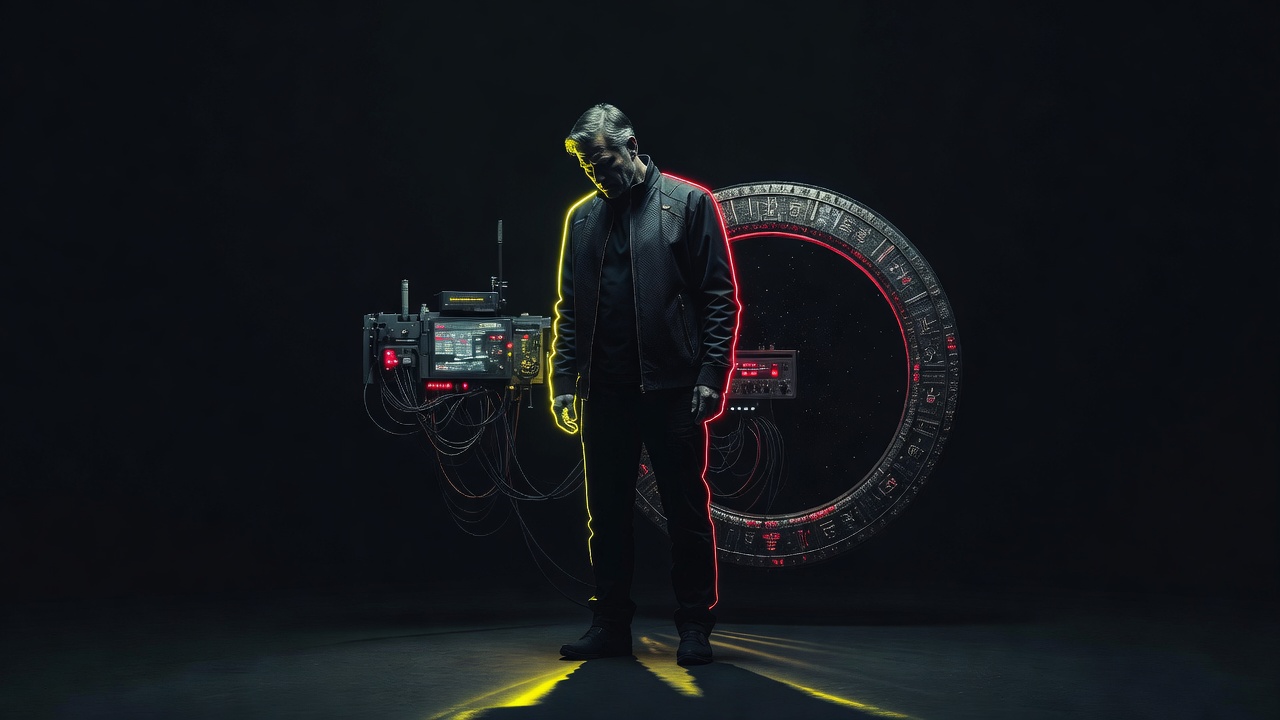
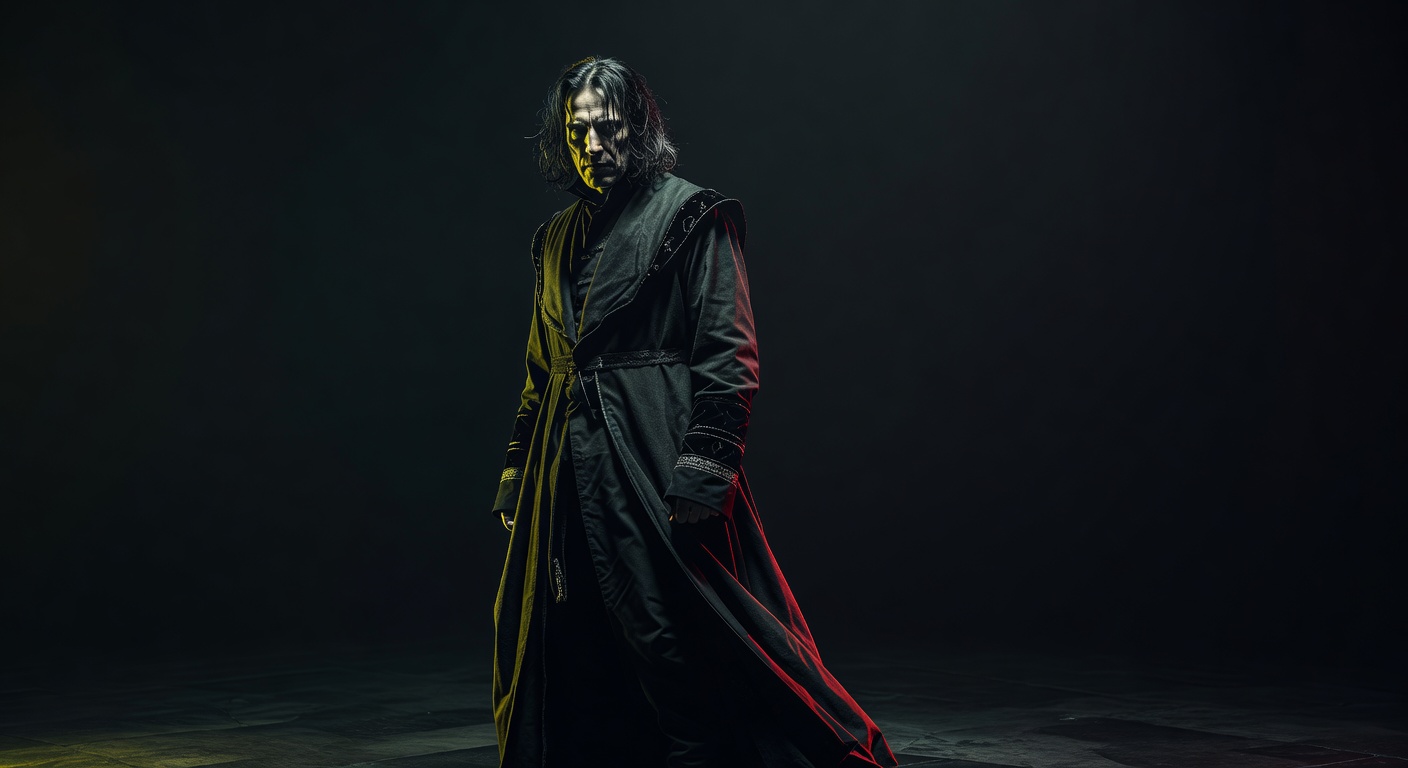
We’re not here to pearl-clutch over a viral track. We’re here to call out what it reveals.
“Black cloak, black skin / Walk the hall, they whisperin’” is not subtle, and it doesn’t need to be. The song comes in like a joke, but the core message is dead serious: fans are exhausted by prestige IPs using identity swaps as a shield against criticism while dodging the real writing problems. “I’m Black Snape” works because it takes that tension, puts it on a beat, and says out loud what a lot of people feel but get punished for saying directly.
The track is funny, sharp, uneven in spots, and still way more honest than most franchise PR campaigns.
What happened
The music video drops with a direct hook and a clear identity thesis: this version of Snape is walking through Hogwarts as an outsider twice over — first by role, then by race, then by class-coded attitude. The bars keep folding those tensions together:
- “Same blood they fear, they diss me / But they copy my brew, still sip me”
- “They ain’t teach where I’m from / Had to learn from the alleys and the torch”
- “Half prince in a world that hate / Half hood in a castle gate / Whole me never run”
That’s not random edgy language. That’s social translation. The artist is mapping wizard-school mythology onto modern status politics, institutional gatekeeping, and performative inclusion.
Then the song swerves into street imagery — “war on the streets,” “drive by,” “I ain’t glorify shots, that’s graves” — and this is where the piece gets more interesting than its meme packaging. It rejects glamor while keeping the emotional force. Rage is there, but it’s aimed at systems, not spectacle: “So I aim my rage at the cage.”
So yes, it’s a fan remix. But it’s also commentary about who gets to belong in legacy universes, and who gets used as branding collateral once those universes get rebooted for algorithmic relevance.
Why it matters
Because this is the audience talking back in the only language studios still seem to hear: virality.
For years, fans have been told to accept the same cycle:
- Beloved IP gets revived.
- Core character shifts become the headline.
- Anyone asking writing questions gets framed as morally suspect.
- The product lands, and the script is still weak.
- Fans are blamed for not applauding hard enough.
This track detonates that script. It says: if you’re going to reframe an icon, you better have the storytelling weight to carry it. If not, don’t act surprised when people turn the whole thing into satire.
And here’s the important part: the song isn’t saying Black characters can’t exist in fantasy. That would be a lazy read. It’s saying tokenized redesigns without narrative coherence feel fake — especially when wrapped in moral grandstanding. Audiences can smell when identity is being used as marketing insulation.
When the chorus hits — “Walkin’ through the dark / Wand in my hand and a hex in my heart / Turn that fear to a spell, then I spark” — we hear the real emotional engine: transmuting alienation into authorship. That’s the kind of energy fandoms actually respect. Not boardroom virtue messaging. Not lecture campaigns. Real creative risk from people who have skin in the culture.
The bigger pattern
This didn’t happen in a vacuum. We’re in an era where major studios behave like distressed tech companies wearing fandom as a UI skin.
They keep optimizing for discourse spikes over durable myth-making. They want controversy because controversy trends. They want identity narratives because identity narratives are easy to package in ad copy. What they don’t want is the hard, expensive, unglamorous work of building coherent character arcs that earn audience trust over time.
So independent creators fill the vacuum.
That’s why a track like this travels: it’s rough, specific, emotionally legible, and unconcerned with corporate approval language. It doesn’t pass through ten committees. It doesn’t apologize for having a point of view. It doesn’t pretend every critique is hate. It knows exactly what it’s poking and why.
There’s also a class current running through the lyrics that deserves more attention than the race discourse machine will allow. “They ain’t teach where I’m from” lands because it points at credential culture. Elite institutions love importing “difference” as aesthetics while gatekeeping power and authorship. In that sense, “Black Snape” isn’t just about casting arguments. It’s about who gets to define canon, whose pain gets branded, and whose voice gets edited out.
And the fan base is tired of being gaslit about that.
Final take
We’re not grading this like a polished label release. We’re reading it as a cultural flare.
“BLACKSNAPE” works because it weaponizes humor, pain, and fandom literacy at the same time. It’s messy in places, but it’s alive. And alive beats sanitized every time.
If studios are paying attention, the lesson is simple: stop treating identity as a substitute for storytelling. Stop using moral framing to silence structural critique. Stop confusing online compliance for audience loyalty.
Fans don’t need perfect adaptations. We need adaptations with conviction.
And if the official pipeline keeps producing hollow prestige content, more creators are going to do this from the outside — louder, sharper, and with zero interest in asking permission.
Subscribe to Game Pilled: https://www.youtube.com/@GamePilledBlog
Join the Based New Wave!